Alphabet, Arctic Animals, Counting, Fine Motor Skills, Sensory Play, Winter

MORE Penguin Activities for Preschool

There’s been a lot of penguin fun in our playroom this week! Penguins are a perfect theme to explore during the winter months. There are so many fun penguin activity ideas for preschoolers. I’m excited to share with you some penguin sensory activities, loose parts play, a penguin number sort, and a penguin letter matching activity. Take a look!

Sensory bins are by far my favorite activity to prepare for preschoolers. I usually prepare 3 – 4 each month to rotate in and out of our playroom. They always inspire long stretches of imaginative play. This penguin themed sensory bin is super simple. It has a cotton ball base to resemble snow, foam snowflake stickers and plastic penguin figures (Amazon). My 4 year old daughter, Lillian, had a blast hiding penguins under the “snow” and making the other penguins look for them. She also set them all up in a circle and hosted a penguin dance off. She loved it!!

Another incredibly simple penguin sensory activity that we enjoyed was playing with penguins in shaving cream. I gave my daughter a tray with a generous pile of shaving cream and two small penguin figurines. These particular penguins are from the Safari LTD Penguin Toob that I purchased at Michael’s. I like these penguins especially because they are positioned on their bellies, perfect for sliding around in the shaving cream. 

We used the penguins to make letters, shapes and designs in the shaving cream. Lillian never hesitates when it comes to getting messy so she was happy to use her hands to make a design, wipe it away and make a new one. This is an activity that stays fun year after year. I keep it on hand for her older brothers too!

Now that Lillian has finally stopped putting everything little thing in her mouth, we are really diving into the world of loose parts play. I set up a fun arrangement for a penguin themed loose parts invitation to play and Lillian dived right in! This set up included blue and white pom poms, blue and clear flat marbles, acrylic snowflake scatter, reusable ice cubes, small blue and clear plastic cups, and blue and white unifix cubes. The clear plastic trays they are presented in are from Dollar Tree. I used felt sheets to define each child’s work space and more penguin figurines from the Penguin Toob. 

Lilly got right to work gathering up materials for her penguin world. She very carefully arranged the pieces and added her penguins in their new little home. She made them a bridge and some ocean to swim in. This activity held her attention for a while as she practiced manipulating all the little parts, strengthening her fine motor skills and improving concentration. 

I even joined in the fun too! It was so relaxing to build and create with all these little parts. When Lillian was finished, she asked me to leave it out so she could come back and build more later! We will definitely be adding more loose parts activities to our plans!

Here is her creation from the second round of building. I found her doing this completely independently a couple days after introducing this activity. She was so proud of what she had built, she wanted me to take a picture!

As with every theme, I like to work in some practice with math, especially counting. Lillian enjoys counting activities very much and is proficient with numbers 1 – 5. She still needs practice with one to one correspondence when it comes to number 6 and higher. To help her practice, I pulled out a Penguin Number Sort activity that I had on hand. This game has several penguin number mats (1 – 10) and fish cards representing numbers in different forms.

You can decide which penguin number cards to use and place the corresponding fish cards in a sensory bin. The fish cards represent numbers in word form, number form, tens frames and tallies. 

Because this was Lillian’s first time playing a game with tallies, I decided to stick with numbers she knows well. I chose the 3, 4, and 5 penguin cards and placed the corresponding fish cards in a sensory bin for her to find and sort. She still needs help with reading the words and that is fine. I just want her to develop a concept of print and know that numbers have a word too. We will worry about actually reading the words later!

I try to add an element of play and imagination to the learning games that I set up for the playroom. We weren’t just sorting numbers, we were catching fish for the penguin’s dinner! Lillian was excited to “fish” for the penguins and figure out who gets which fish. In the future, I would add a paper clip to each fish and use a magnetic fishing rod to make it even more fun. 

During our penguin week, we also took some time to practice letter recognition with this Penguin Alphabet Cover activity. This activity allows preschoolers to recognize, name and match uppercase and lowercase letters. The alphabet mats only present 5 – 6 letters at a time, so that activity is perfect for preschoolers with a shorter attention span or those to have trouble attending to activities that work with the whole alphabet at once. You can set this up as an individual activity, giving your students one mat at a time to “cover up” or a group activity, providing all 5 mats and having students work as a team to get them covered. As before, there is an element of play to this activity as well. You can pretend the penguins are all mixed up in the bin and need help finding the correct “home” on the icebergs.

Because I specifically wanted Lillian to practice identifying and naming the letters in her name, I quickly hand drew a new iceberg mat with the uppercase and lowercase letters of her name. I pulled the letters I needed from the letter cards and set them up in a sensory bin. I told Lillian to help me find each penguin’s spot on the iceberg and she was excited to help.

As she chose each penguin, we practiced saying the name of the letters, talked about uppercase and lowercase, then found their spot on the iceberg. When we were finished, we touched each letter and said their names again. Lillian has her L’s down pat because that one is first. To my surprise, she is doing a good job with lowercase i and uppercase I as well. The letters she is having the most trouble with is lowercase a and n. We will keep practicing!!

The last thing I want to share with you from our very fun week of penguin activities is our art. I decided to do a directed drawing with Lillian. She is newly four and just recently started drawing people in more detail. I figured this is the perfect time to introduce directed drawings to her. We used the directed drawing instructions from Pocketful of Preschool that I got as a free download several years ago. I just ran a quick search and wasn’t able to find it again (at least for free anyway). However, there are LOTS of options out there, including some free ones on TpT. Feel free to choose the one you like best!

We started by painting the “snowy sky” background first. I provided a palette of paints with white, light blue, and light purple. I encouraged her to paint the whole paper and she was happy to oblige! On a separate sheet of paper, we went through each step of the directed draw together. She did deviate a little (as Lilly usually does!) because she wanted the nose to be a circle not a triangle. Once the paint was dry on our background, I colored and cut out our penguins and Lillian glued them to the snowy scene. 

Tada! Lillian was so excited to see the finished products and we will proudly hang these in our playroom. 

Thanks for checking out our fun activities from Penguin week! I hope this post inspired you to do some purposeful playing and learning with your preschoolers or helped you plan out your week in the classroom! If you need any links to the activities mentioned in this post, you can find them below.

You may also be interested in these posts!

Alphabet, Book Companion, Counting, phonemic awareness, Spring

Red Rubber Boot Day Activities for Preschool

Before April comes to an end, I want to share a huge set of rainy day themed activities that I created to compliment the book Red Rubber Boot Day, By Mary Lyn Ray. All the activities in this post have a red rubber boot and puddle theme like the story, but they all compliment a rainy day theme, weather theme, letter r theme or letter b theme as well. Below you will find literacy and math activities to enhance letter recognition, beginning sound recognition, rhyming, syllable identification, writing skills, number recognition, counting, and subitizing.

First, let’s talk about the book! At the center of the story is a child who is trying to decide how to entertain himself on a rainy day. The book uses lots of sensory language to describe the rain- how it smells and how it feels on your bare feet. The child goes through lots of imaginative play during the rainstorm until the weather breaks and he can go splash in all the puddles.

Because the story is so relatable, I decided to start with a question of the day: Do you like rainy days? You can display this header on a vertical surface or pocket chart, then provide cards or sticky notes with your students’ names on them. Students can place their card under the answer that describes their own feelings. Either yes, they do like rainy days or no, they do not. I’ve also seen this done with popsicle sticks in two different jars. I would challenge you to revisit the question of the day before and after reading the story to see if anyone changes their mind.

The next activity in the set is a Rainy Day and Sunny Day Picture Card Sort. Each picture card represents a fun activity that kids like to do. You can challenge your students to determine if each activity is best for a rainy day or a sunny day and why. Some of the activities have an obvious answer and others might be up for discussion. Several of the activities are showcased in the book, including playing cars, reading, building with blocks, and making a cave in the closet.

A great way to develop phonemic awareness is to practice identifying syllables in given words. In this activities set, I designed a syllable card sort using picture cards to represent 1, 2, or 3 syllable units. The pictures on the picture cards are all spring related with a red rubber boot theme. They can be sorted onto the puddle card with the corresponding number of syllables.

Another great way to develop phonemic awareness is with rhyming activities! Here is a red rubber boot themed rhyming activity to help do just that. Each puzzle is red boot themed and self-correcting, they will only connect one certain way. Students who aren’t sure about a match can check the pattern on the puzzle to find out if they got a rhyming match or need to try again.

If your students are ready to practice matching beginning sounds, this literacy center is perfect! I created 26 puddle themed beginning sound picture cards, 26 red rubber boot themed uppercase cards, 26 red rubber boot themed lowercase cards, and 26 red rubber boot themed sound cards for this matching center.

I do think that centers with this many loose cards can become really cumbersome for little learners, especially preschoolers. When I do matching games like this with my kids, I select the letters that I want them to practice ahead of time. I usually don’t choose more than 10 – 12, depending on the learner. In this matching game, I lay out all the puddle cards on the table in front of them. Then I gather all the corresponding matches, shuffle them and put them together in a draw pile. When presented this way, it becomes more of a cooperative game. Preschoolers can take turns drawing a card and placing it on the correct puddle. They work together to complete all the matches.

If your preschoolers are still working on identifying and writing letters, you can simply use the uppercase and/or lowercase boot cards in a couple different ways. You can select 10 – 12 letter matches and make a concentration game. Or you can put the letters in a draw pile and give your preschoolers the Red Rubber Boot Alphabet Build and Write Mat. With this activity, preschoolers can draw an alphabet card, build it with a given manipulative, then practice writing it at the bottom. In the example, I used blue flat marbles, but pipe cleaners, beads, buttons, playdough, and wiki stix work well too!

Another way to practice letter identification is with the Raindrop Alphabet Cover Up Mat. I LOVE these cover up activities because they are so versatile. You can choose to match uppercase to uppercase letters, lowercase to lowercase letters, lowercase to uppercase letters, beginning sounds to uppercase letters, or beginning sounds to lowercase letters. You can set up the activity according to your preschoolers needs. They also work well as an independent center, partner activity or group activity. Of course the cards work just fine in a draw pile, but you can make the game extra engaging by setting the cards up in a sensory bin for students to search in. I included blue dyed rice, blue flat marbles and cotton balls. The blue flat marbles work well to cover up the letters on the cover up mat as they are identified because they are heavy and stay in place. You can also use bingo dotters, round counters, buttons, pom poms, whatever you have!

I love to sneak in some low pressure writing practice whenever I can for preschoolers to practice pencil grip and letter formation. If your preschoolers are ready to practice writing letters, you can use the Red Rubber Book Flip and Write with any set of letter cards (uppercase or lowercase). Simply make a pile of the letters you’d like your preschooler to practice and have them flip the pile one at a time. After flipping each card, have your preschooler write that letter in an empty box on the recording sheet. Keep flipping until each box is filled or the card pile runs out. You can use this same recording sheet with the number cards too!

The last literacy activities I want to highlight are the Red Rubber Boot Cut & Paste Printables. I like to include printables in my resource packs to compliment the centers. These are good assessment tools that help you gauge what a preschooler can do independently after practicing the same skills with you or a friend. All three of these printables have students cut out the boot cards at the bottom and glue them to the corresponding puddles at the top.

Now let’s talk about math centers! This resource pack includes several number cards that can be used lots of different ways. There are 20 puddle themed number cards, 20 red rubber boot themed number cards, 20 red rubber boot themed tens frame cards, and 12 red rubber boot themed dice cards.

Similar to the letter and sound matching game above, you can use the number cards to create a number matching game. Each puddle number card can correspond to a number boot card, a tens frame boot card and a dice boot card (up to 12). Select the numbers you’d like your preschoolers to practice and set up your matching game just like the game above.

I love incorporating tens frame activities into any number practice for preschoolers. They are great for building number sense, one to one correspondence, and help prepare your preschooler for subitizing. You can use the red rubber boot themed number cards to practice numbers 1 – 10 or 1 – 20 on the tens frames. Again, I used blue flat marbles in the example (I think they make perfect rain drops!), but you can use anything you have on hand- buttons, counters, playdough balls, anything!

You can also use these tens frames with a sensory bin to hold the cards. It’s fun for preschoolers to go searching in the bin for the different cards until they’ve practiced all the numbers. You can set this up for an individual or use it in a group and take turns fetching numbers.

Speaking of sensory bins, I made Cover Up Mats for numbers too! There are two mats: numbers 1 – 12 and 1 – 20. You can use these in several ways to match numbers to numbers, numbers to dice, or tens frames to numbers. Number card draw piles work just fine too if you’re in a pinch!

Of course every book companion pack needs a write and draw response activity! I like to keep it simple and let your little learners add their own personality to it. This printable is no prep at all. It simply asks your preschooler to draw a picture of what they like to do on rainy days. Then there is space in the puddle for you or your beginning writer (if they’re ready) to write down what that fun activity is. These would make a great bulletin board! Another idea would be to take a photo of your little learner jumping in the air (as if they were jumping in a puddle), print it, cut it out, and glue it to the page.

If you are interested in any of the activities in this post, you can find them here:

You may also be interested in these resources from my shop!

You may also be interested in these blog posts!

Alphabet, Counting, Spring, St. Patrick's Day

Rainbow Activities for Preschool *FREE Printable*

There are so many fun ways to incorporate rainbows into preschool play and learning. In this post, you will find rainbow themed activities to enhance color recognition, letter recognition, phonemic awareness, number recognition, counting, writing and sensory play.

Whenever I am planning a theme to design activities around, I always start with the children’s books about that topic. Rainbow books can be stories with rainbows in them, books about rainbows, and books about the colors of the rainbow. A few of my favorites are A Rainbow of My Own, How the Crayons Saved the Rainbow, Curious George Discovers the Rainbow, Ready to Read Rainbow, Planting a Rainbow, and Bear Sees Colors. Of course, there are so many to choose from and my collection continues to grow. In this post, you will find a FREE craftivity to compliment A Rainbow of My Own, by Don Freeman and a catchy song you can use on your own preschool color hunt.

First, I am going to share the Rainbow Alphabet and Number Cover up activities that I designed and the different ways that they can be used. There are 3 sets of cards that can be used in these activities: uppercase letters, lowercase letters and numbers 1 – 20.

There are four different versions of the cover up mats: uppercase letters, lowercase letters, numbers 1 – 10 and numbers 1 – 20. You will need to decide what you want your preschoolers to use to cover up the letters and numbers that they are matching. Dot markers, mini erasers, flat marbles (I would use blue to represent rain drops!), and circular chips work well.

If you have the alphabet or number mini erasers from Target, that eliminates the need to use the cards. My kids love these erasers. They fit perfectly on the mat, they stay in place and they are fun to manipulate.

To set up the activity, laminate and cut out the cards that you need. You can place them in a sensory bin for your preschoolers to find, identify and cover. A colorful base works perfectly for a rainbow activity. I used pony beads, but Perler beads or dyed rice would be fun too!

If you don’t have time to prep a sensory bin, you can simply use the cards to make a flip or draw pile. Have students pick from the top, cover that letter or number then discard it. They can keep going until they’ve covered every letter or number!

For those of you who prefer not to print in color, there are black and white versions of the cover up mats as well. These are perfect for single use. Students can find the alphabet or number cards, match it on their mats and dot it with dot markers.

When I was planning all of these rainbow activities, I tried to find a wooden puzzle that separated by each part of the rainbow. Surprisingly, I couldn’t find one anywhere. So I decided to make my own using high quality clipart and color labels. Once it was printed and laminated, I added a few piece of magnetic tape to the back of each piece so that the puzzle could be built on a magnet surface. I used a small cookie tin from the Dollar Tree, but a whiteboard or oil pan would work well also.

My daughter, Lillian, absolutely loved putting this together. It took her a couple tries before she got the order of the colors right, but she did it! This idea led me to make several more rainbow themed puzzles.

I created three strip puzzles that divide the rainbow into narrow strips with clues along the bottom to help put it back together in the right order. One strip puzzle spells out the word rainbow and the others put numbers 1 – 10 and 11 – 20 in numeric order.

The next set of rainbow puzzles I created are several sets of 2-piece puzzles. One set connects an uppercase letter to its corresponding lowercase letter. Another set connects both letters to a picture of something that starts with the corresponding letter sound.

The last set of 2-piece puzzles I created are connecting a number to it’s matching value on a die or dice. This set of rainbow puzzles include numbers 1 – 12. This is the set I decided to set up for Lillian to practice numbers with. She’s only three, so we started with only puzzles 1 – 6. That is what I love about these large sets of 2 piece puzzles. You can use only the ones that you would like to practice with your preschoolers and save the others for later.

For Lillian, I set up at rainbow themed sensory bin and placed each piece of the six puzzles in the bin. I also placed a cookie tin inside the bin to act as our vertical surface. We worked together to find all the puzzle pieces and connect the rainbows back together by matching the numbers to their quantities. This is also a great way to introduce and practice subitizing with your preschoolers.

When we were done with the number puzzles, the sensory bin itself was a really fun activity! To make this rainbow themed sensory bin, I dyed some rice blue and let it dry overnight. Then I added blue flat marbles (rain drops), cotton balls (clouds), sun and rainbow mini erasers, rainbow “eggs,” and some various scoops and small bowls. Lillian had a great time scooping the contents of this bin from one container to the next and sorting out all the loose parts she found inside.

On of my favorite preschool rainbow activities is going on a color hunt! Color hunts pair very well with the story Bear Sees Colors, by Karma Wilson and Jane Chapman, but you can use them with any rainbow story or as their own stand alone activity. For this particular color hunt, we sang a very catchy song while we looked for all the colors of the rainbow. Here it is:

Can You Find The Color (to the tune of Have You Seen the Muffin Man?)

Can you find the color red, color red, color red?

Can you find the color red and put it in this basket?

Keep singing through all the colors until you have found every color of the rainbow! You can even extend this activity by building a big rainbow on the floor with all the colorful items.

The last rainbow activity I want to share with you today is an adorable craftivity that I made to compliment the story A Rainbow of My Own, by Don Freeman. This craftivity allows preschoolers to draw and write about what they would do if they had their very own rainbow, just like the boy imagines in the story.

There are two versions of the craftivity for you to choose from. One version has a sentence starter for your students to complete. It reads “If I had my own rainbow, I would…” The second version of the craftivity simply has blank lines. You can find this printable craftivity for FREE in my shop by clicking the icon below. You can also find the Rainbow Letter and Number Cover Up and Rainbow Puzzles below.

I hope you were able to find some rainbow inspiration today. Have fun planning fun rainbow activities with your preschoolers!

You may also be interested in these posts from the blog!

Counting, St. Patrick's Day

St. Patrick’s Day Preschool Math Activities *FREEBIE*

Are you celebrating St. Patrick’s Day? This post will highlight the St. Patrick’s Day themed math activities I’ve created for preschoolers to enhance visual discrimination, sorting and classifying, counting, number identification, patterning, number matching, one to one correspondence and skip counting. This includes a Shamrock Sort and Classify FREEBIE. The link is at the bottom!

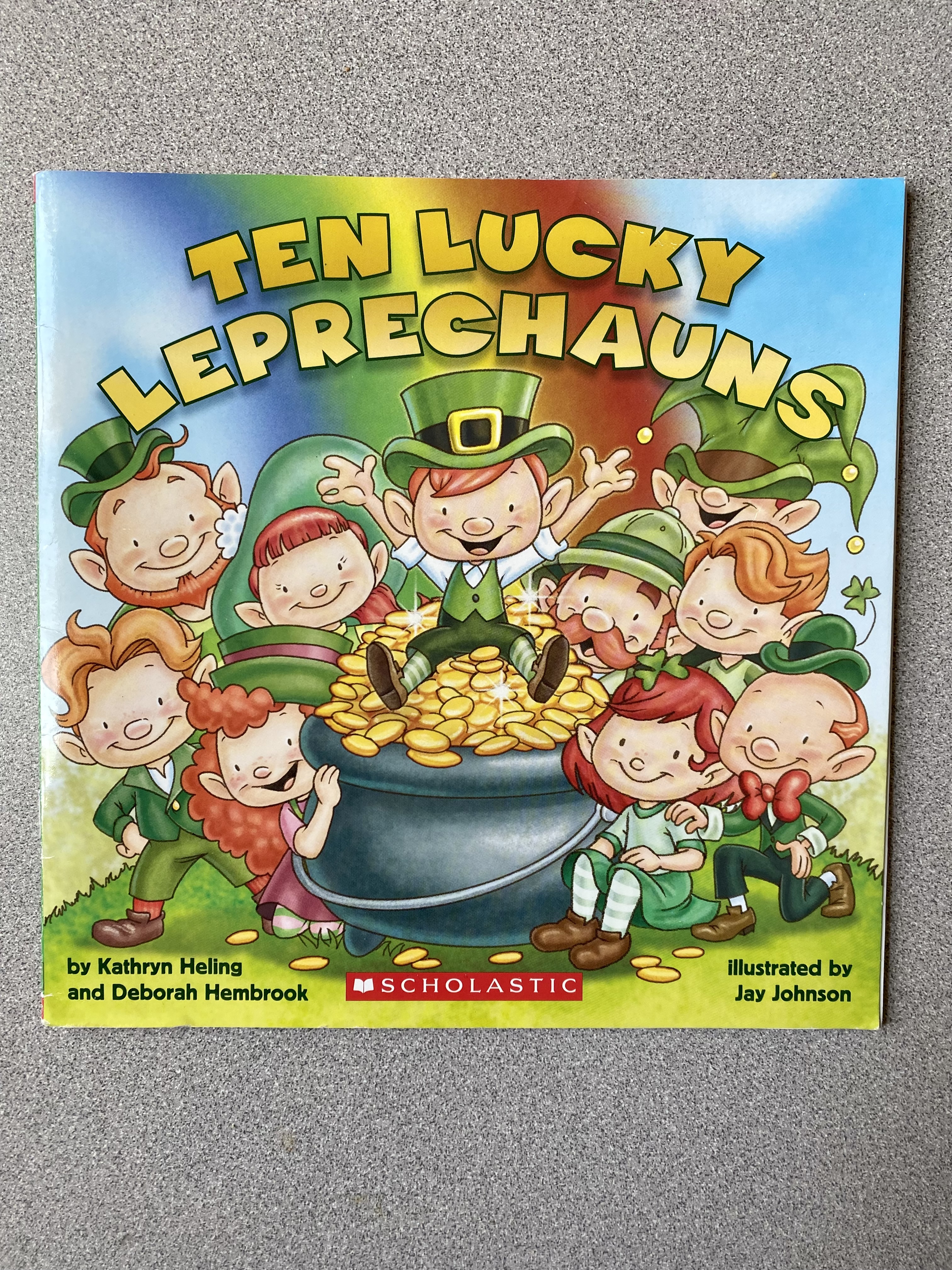
In case you’re like me and love to include fun literary connections in everything you do, I’m going to mention this sweet picture book, Ten Lucky Leprechauns. The illustrations are fun and the concept is simple – counting to ten. It works perfectly as a read aloud with preschoolers, especially to reinforce counting around St. Patrick’s Day.

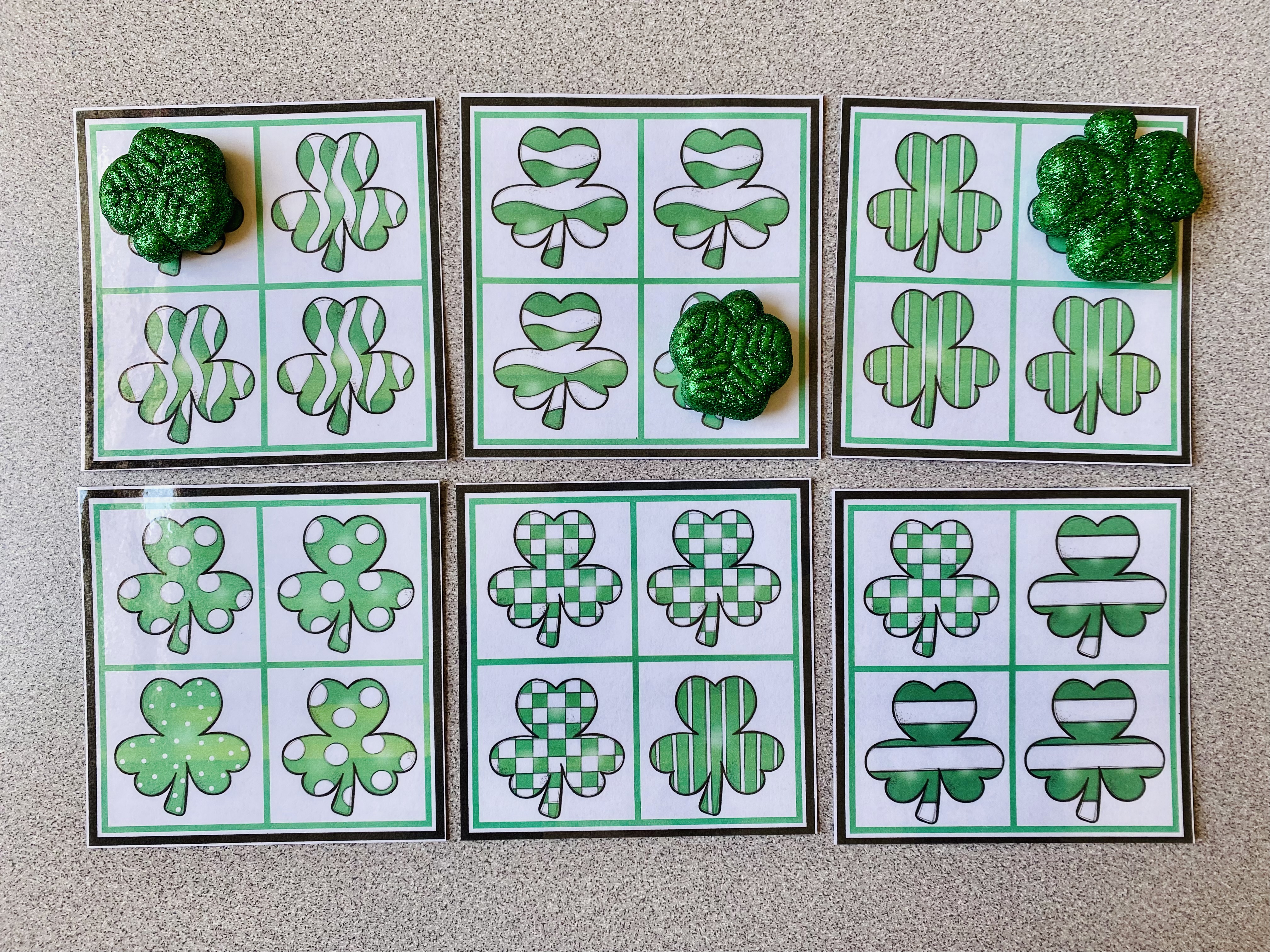
Here’s a sneak peek at some of the same and different cards I’ve created for St. Patrick’s Day. There are a total of 12 cards, each displaying 4 shamrocks. Three are alike and one is different. Students can practice identifying the different shamrock by covering up with a manipulative of some sort. You can use gold coins, green glass gems, or any other festive counter that you can fine. I used foam shamrocks from the dollar store.

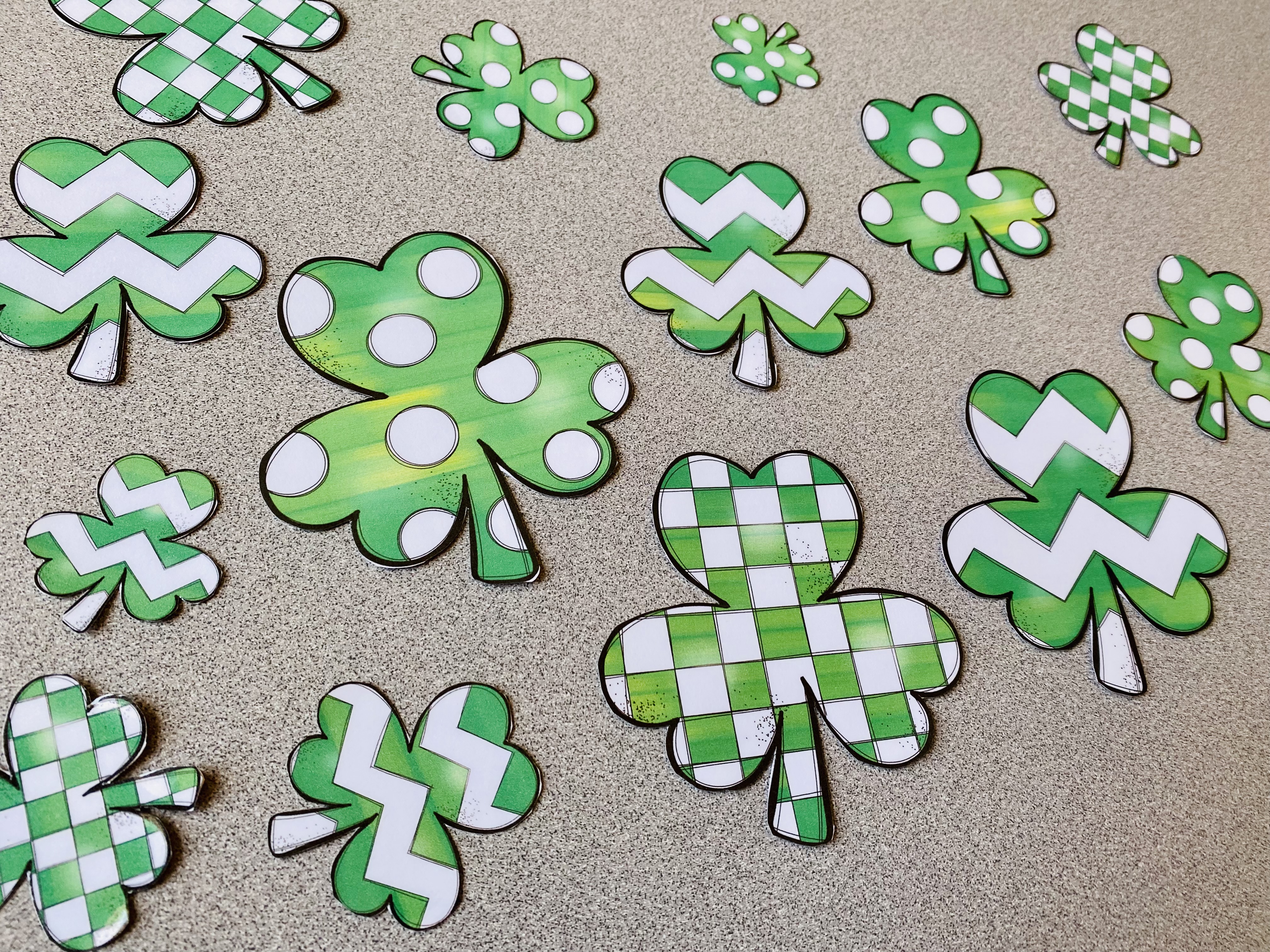
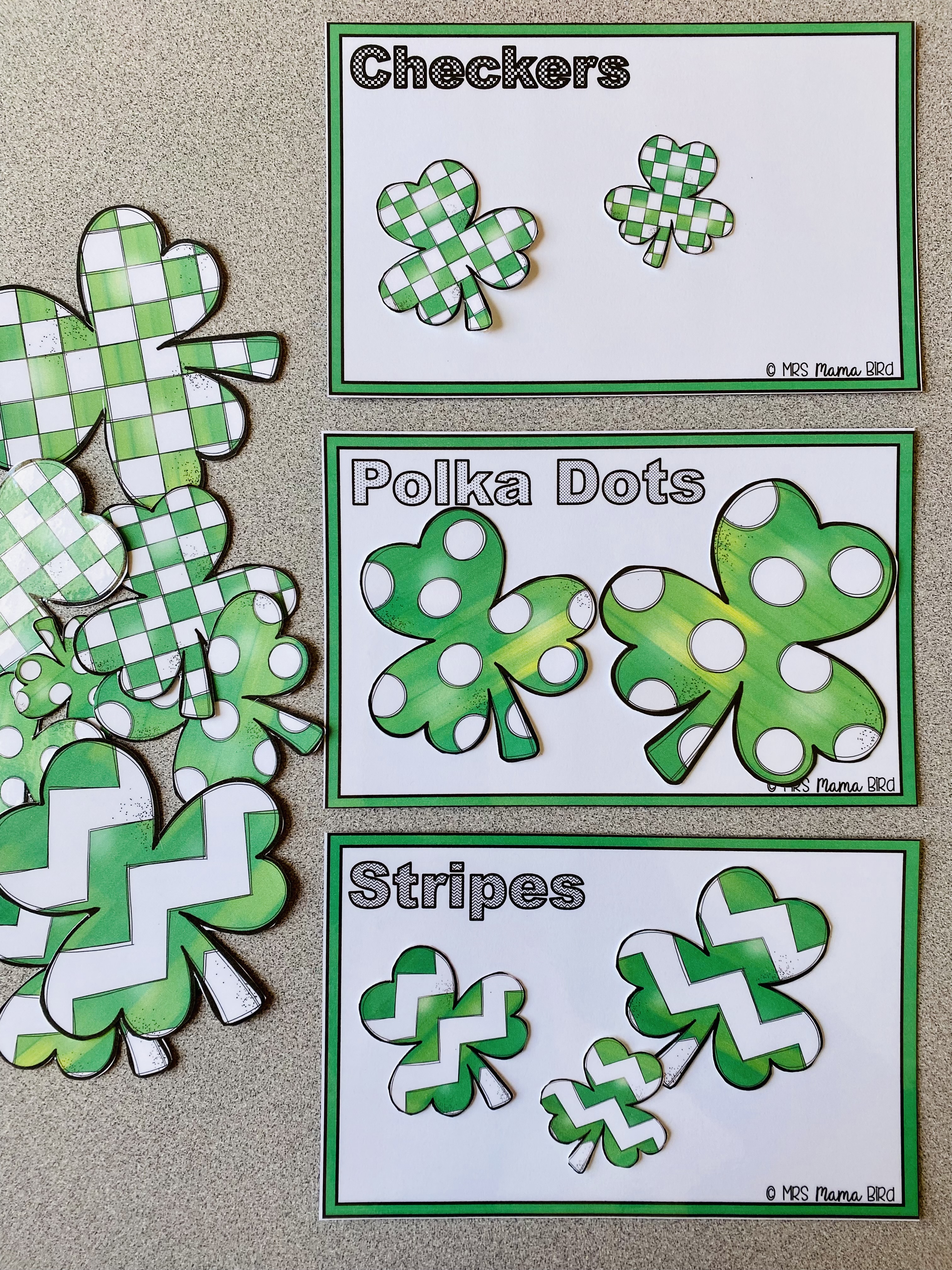
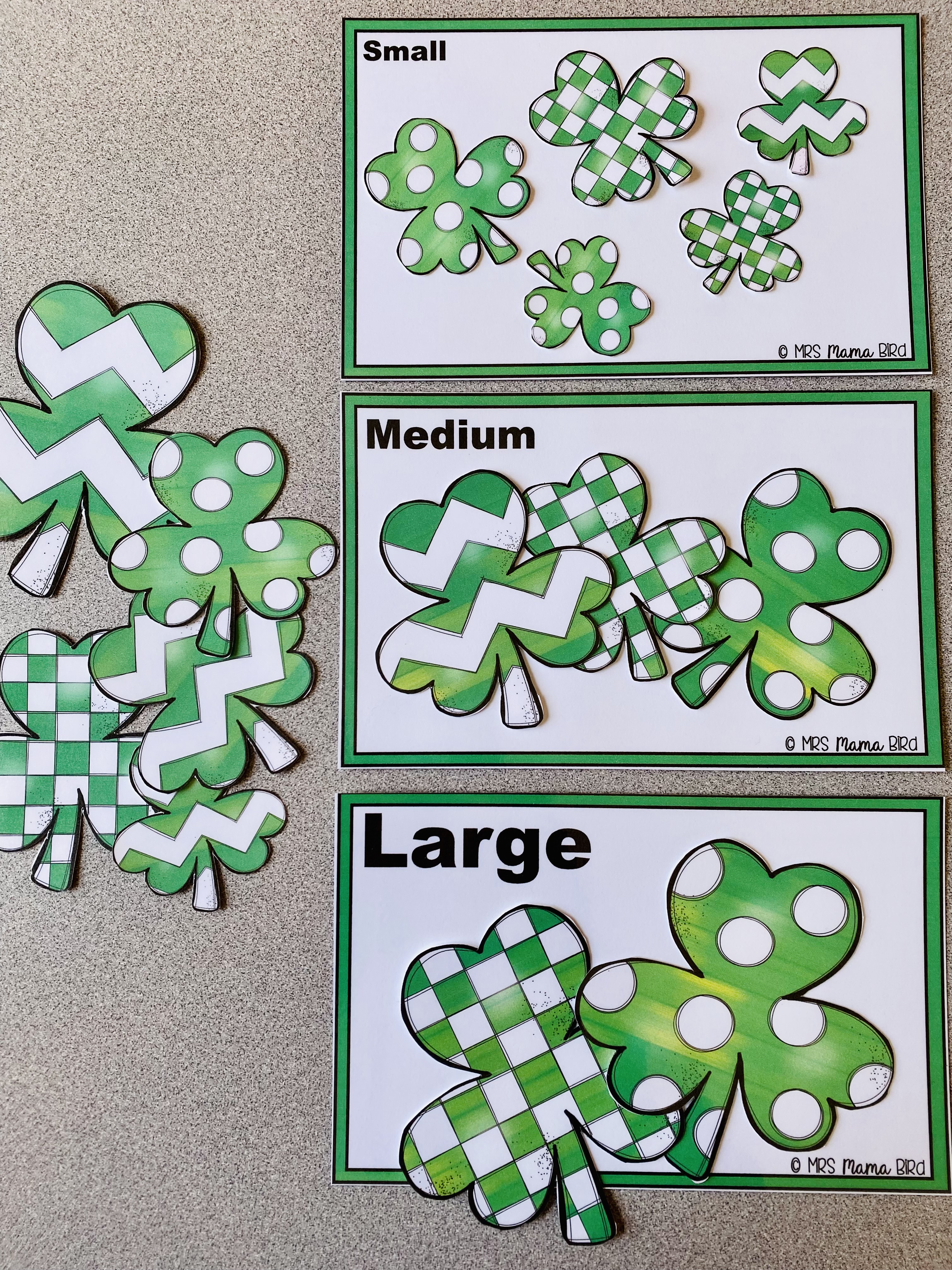
The Shamrock Sort & Classify activity also encourages preschoolers to think about what is the same and what is different about the shamrocks. This set includes 15 different shamrocks representing 5 different sizes and 3 different patterns. I also created sorting mats for preschoolers to need that visual. The sorting mats will help preschoolers sort by size into small, medium or large groups. They can also help preschoolers sort by pattern into checkers, polka dots, or stripes. This resource is FREE in my shop and you can find the link at the bottom of this post.

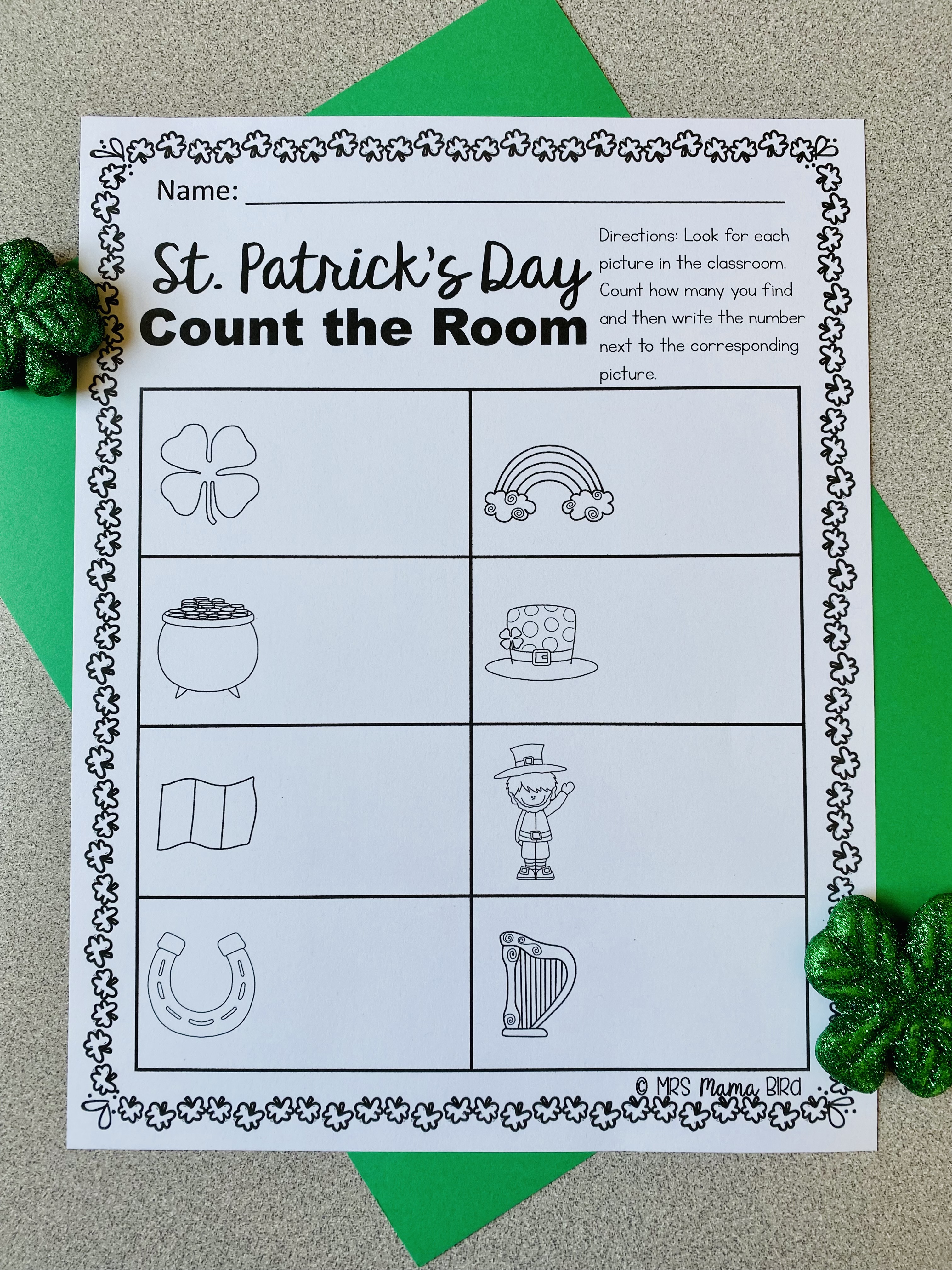
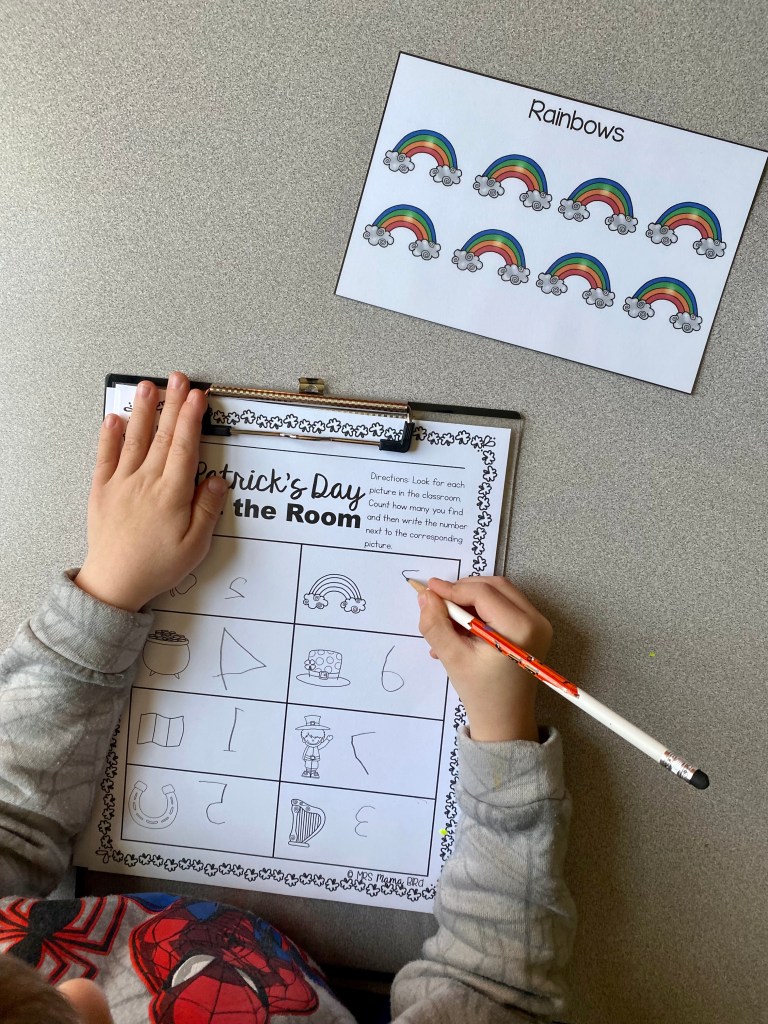
Preschoolers can practice counting by locating different St. Patrick’s Day pictures throughout the room and counting the St. Patrick’s Day icons on each. Emmett enjoyed finding the different cards throughout the room and filling up his Count the Room recording sheet. There are 8 icon cards in all, and each shows a quantity of 1 – 8.

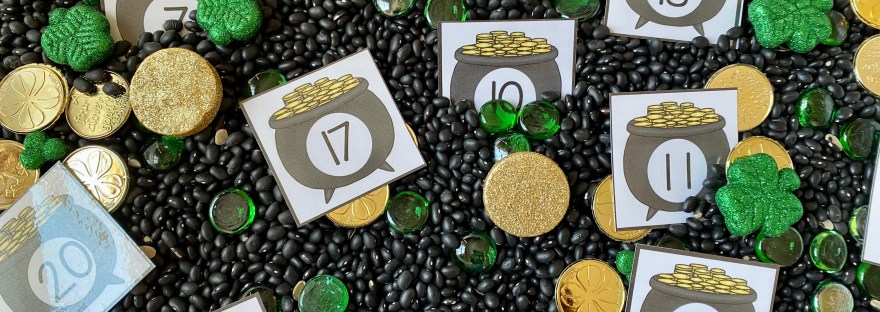
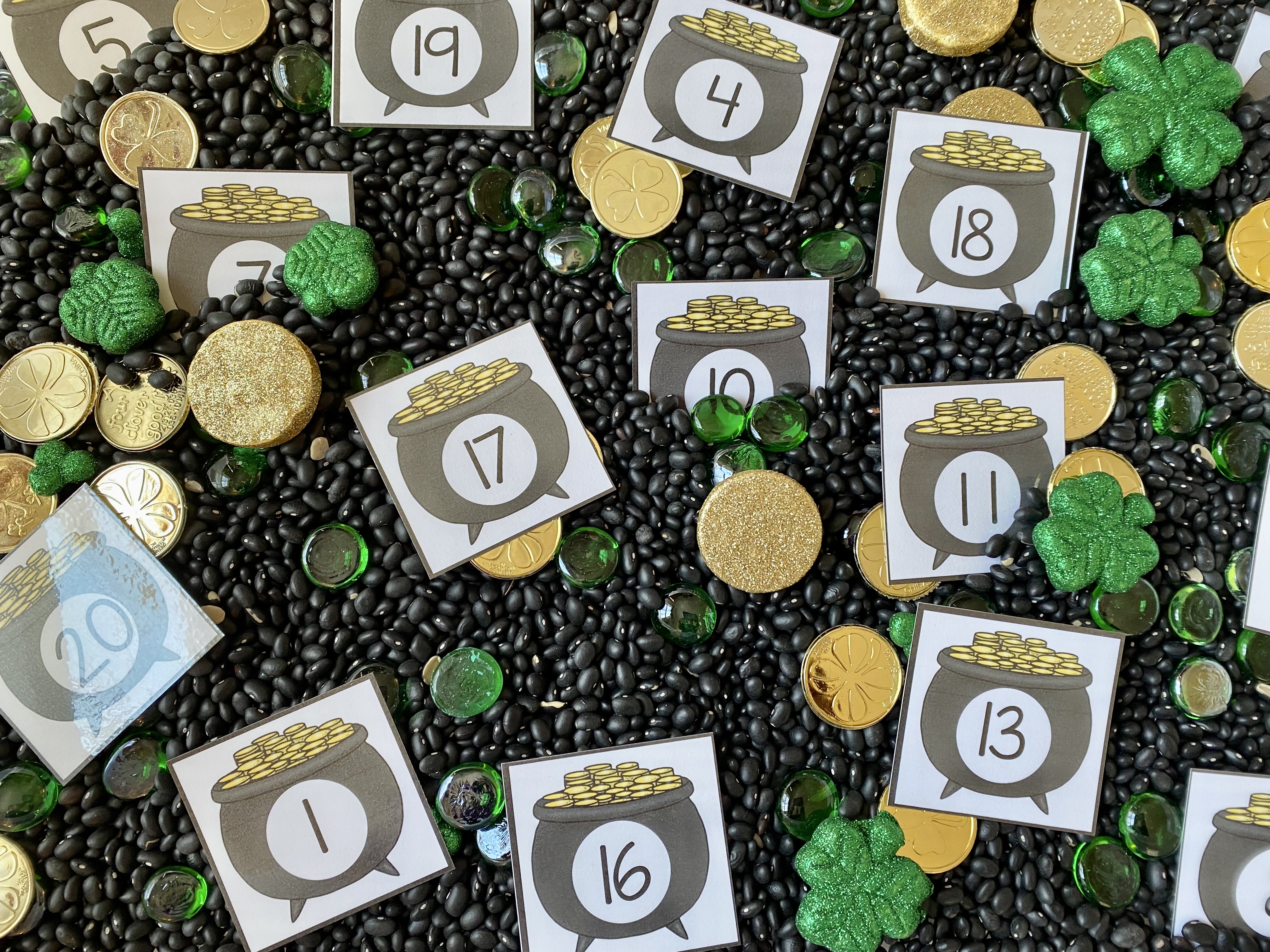
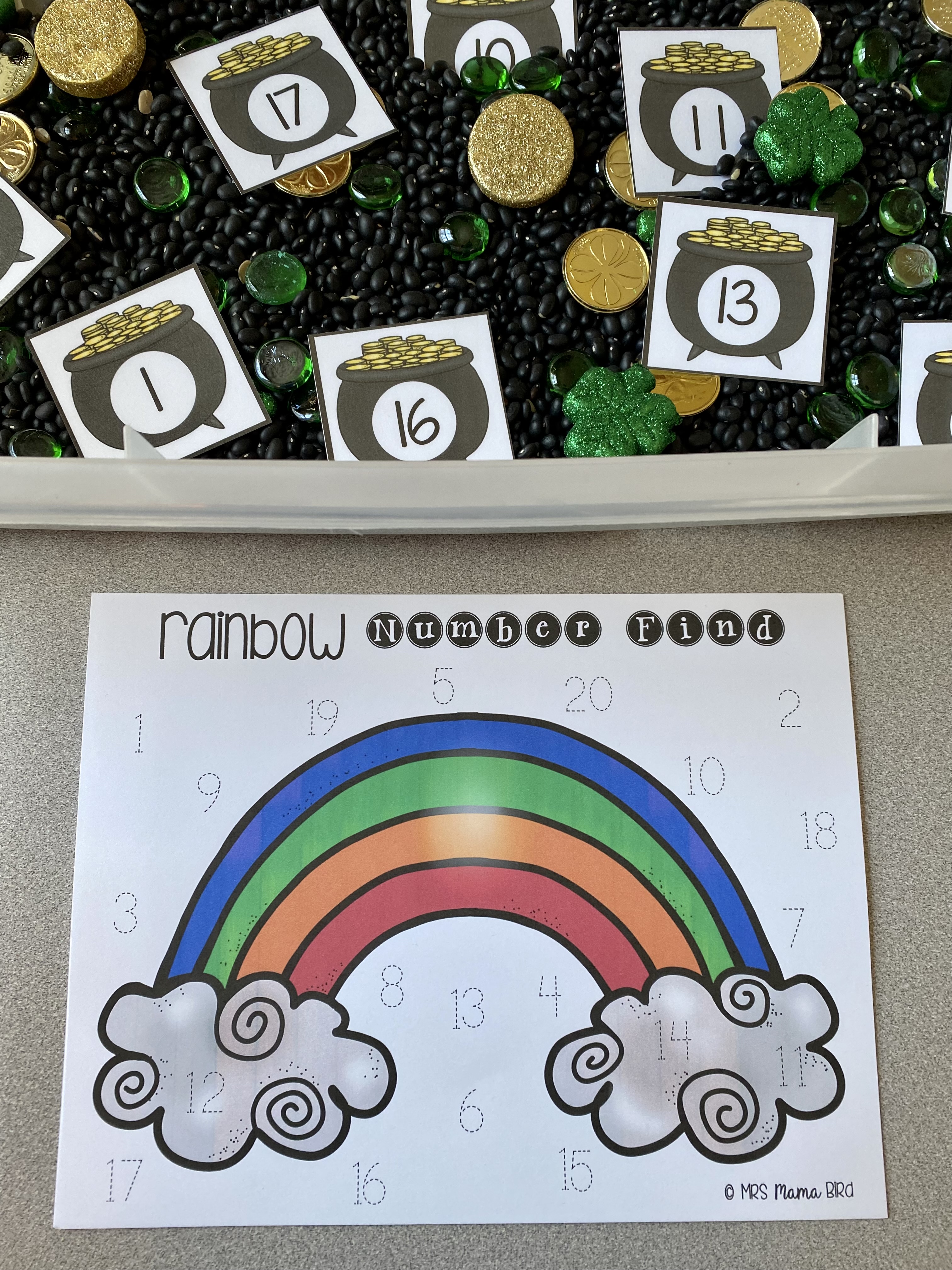
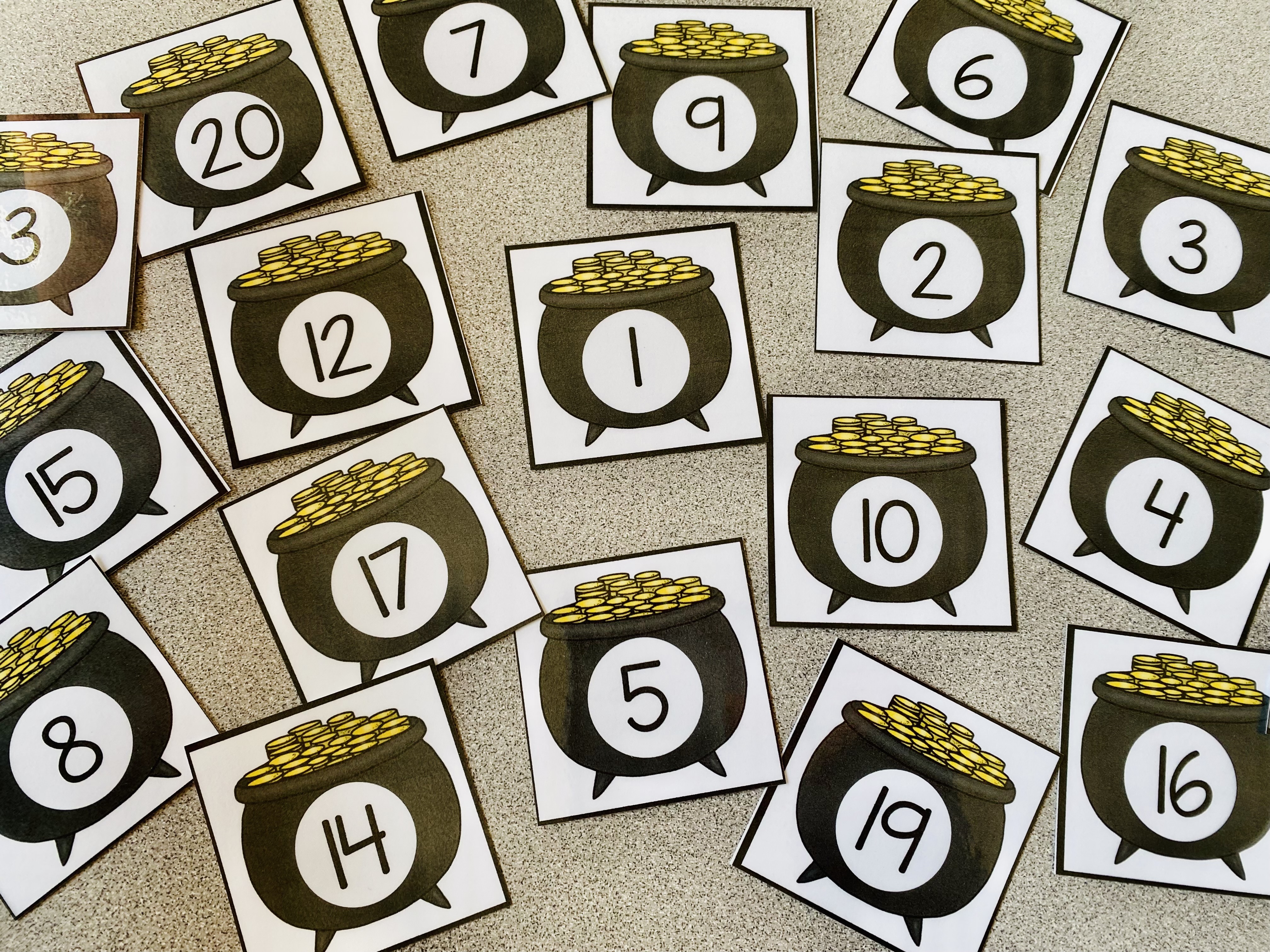
The Rainbow Number Find includes number cards 1 – 20 with a pot of gold theme. You can set them up in a sensory bin or a draw pile. Then have preschoolers find a number and trace the corresponding number on the Rainbow Number Find mat. There are two versions of the mat, 1 – 10 and 1 – 20, each in color or black and white.

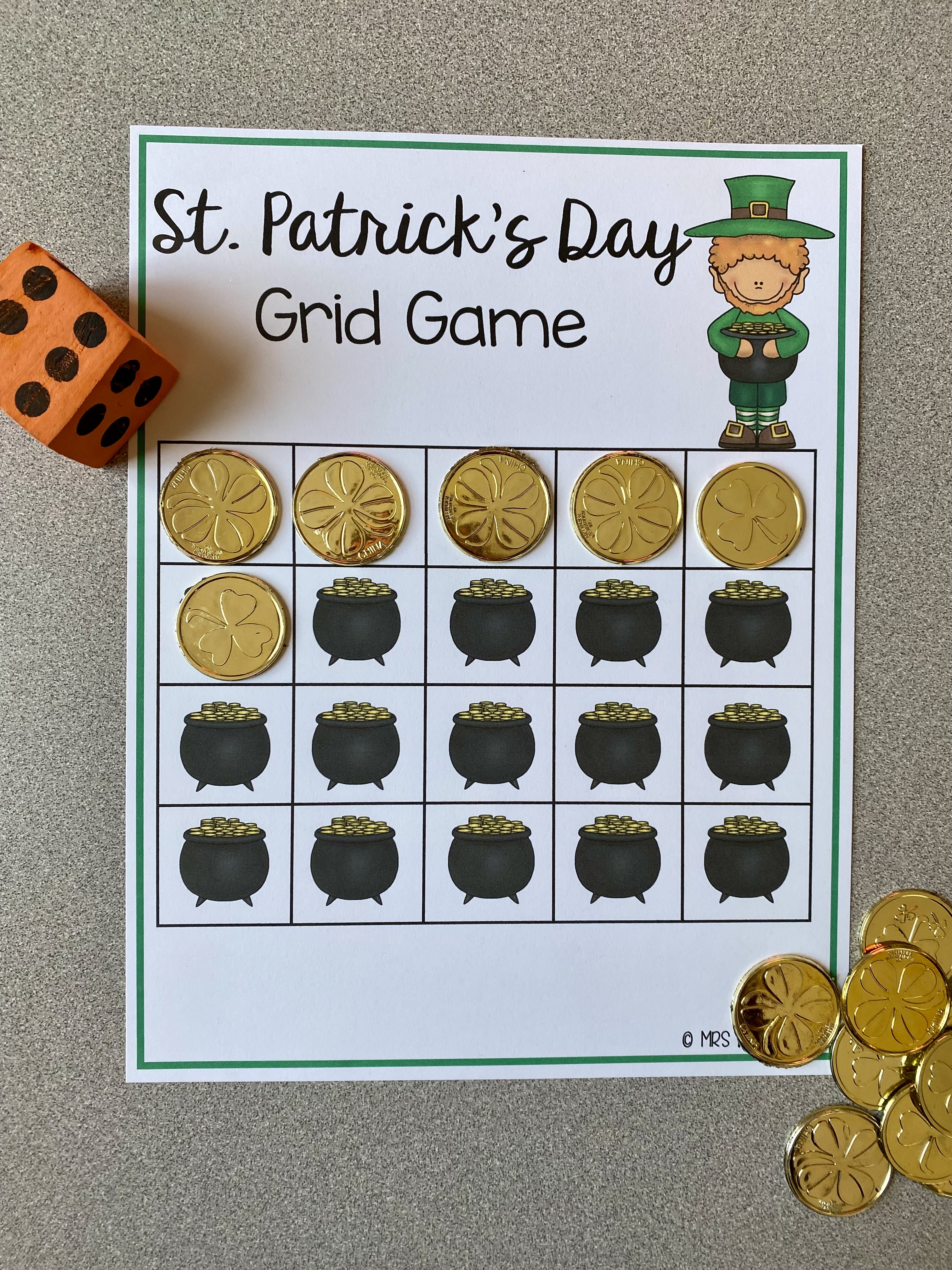
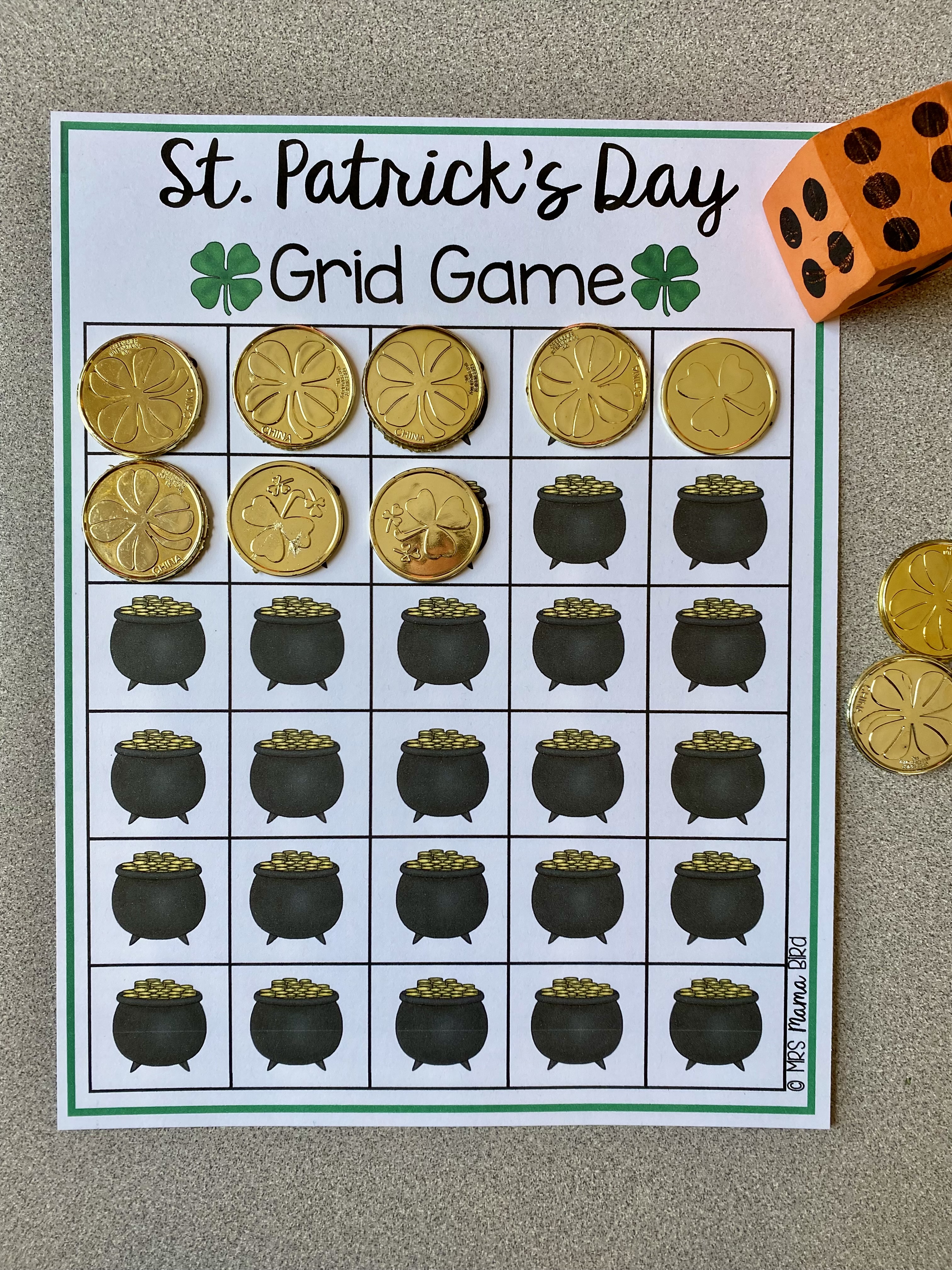
For preschoolers who are working on counting as well as one to one correspondence, grid games are so helpful and fun. Simply print the game board and gather a dice and some counters. I used plastic gold coins from the dollar store. Have your kiddos roll the dice, then add that many counters to the board, one on each square. Help them count as they go! There are two different versions of the game, one with 20 and one with 30 pots of gold.

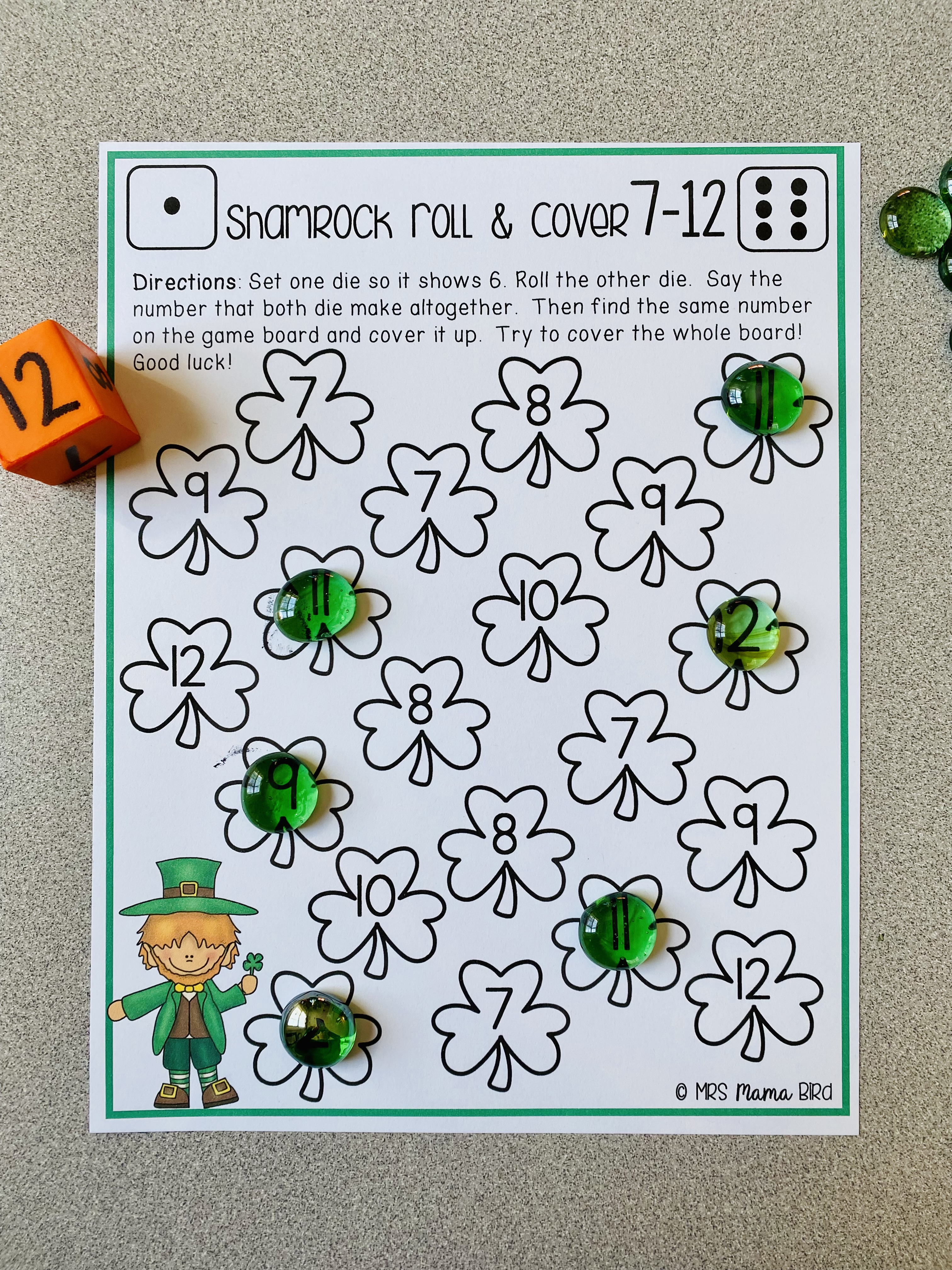
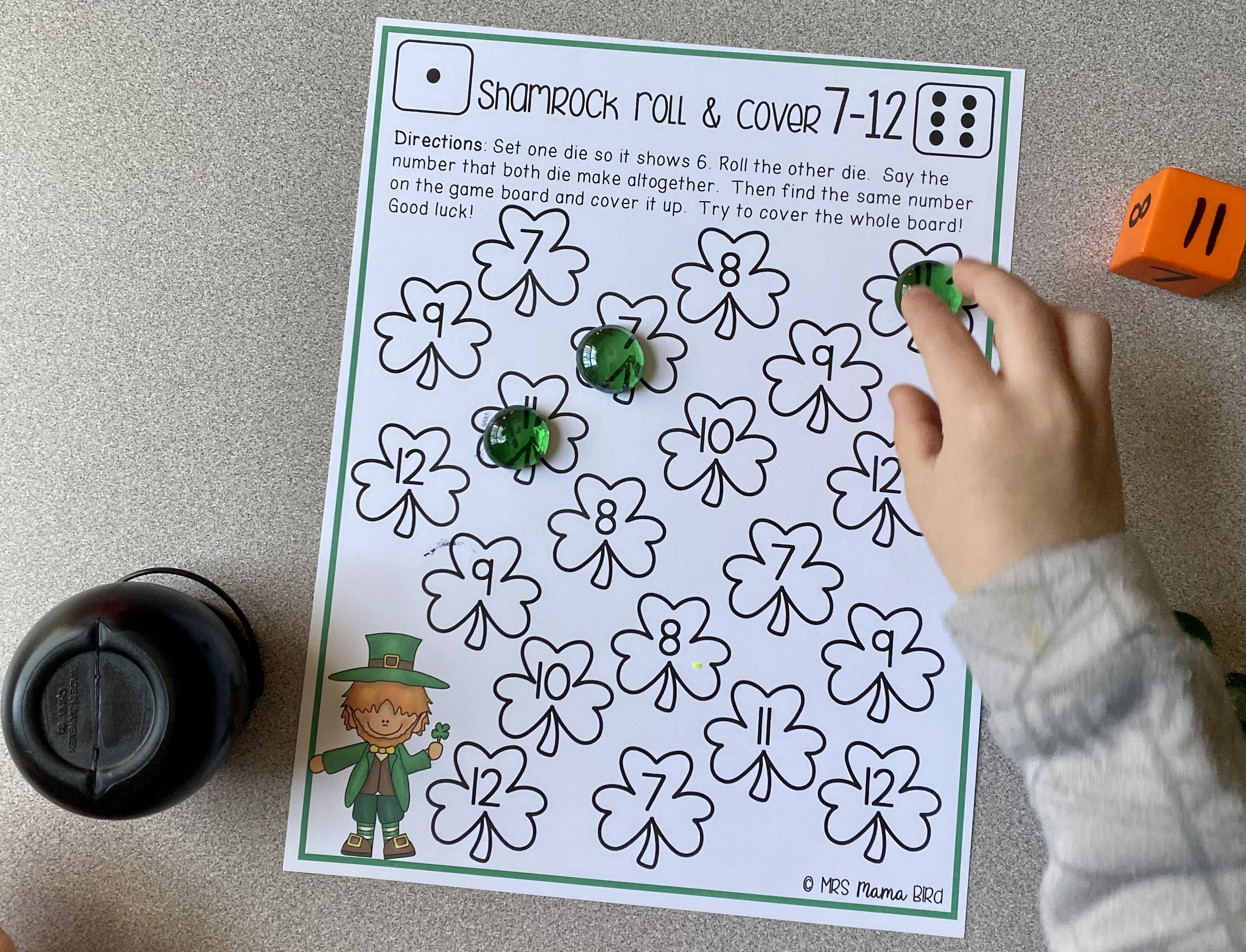
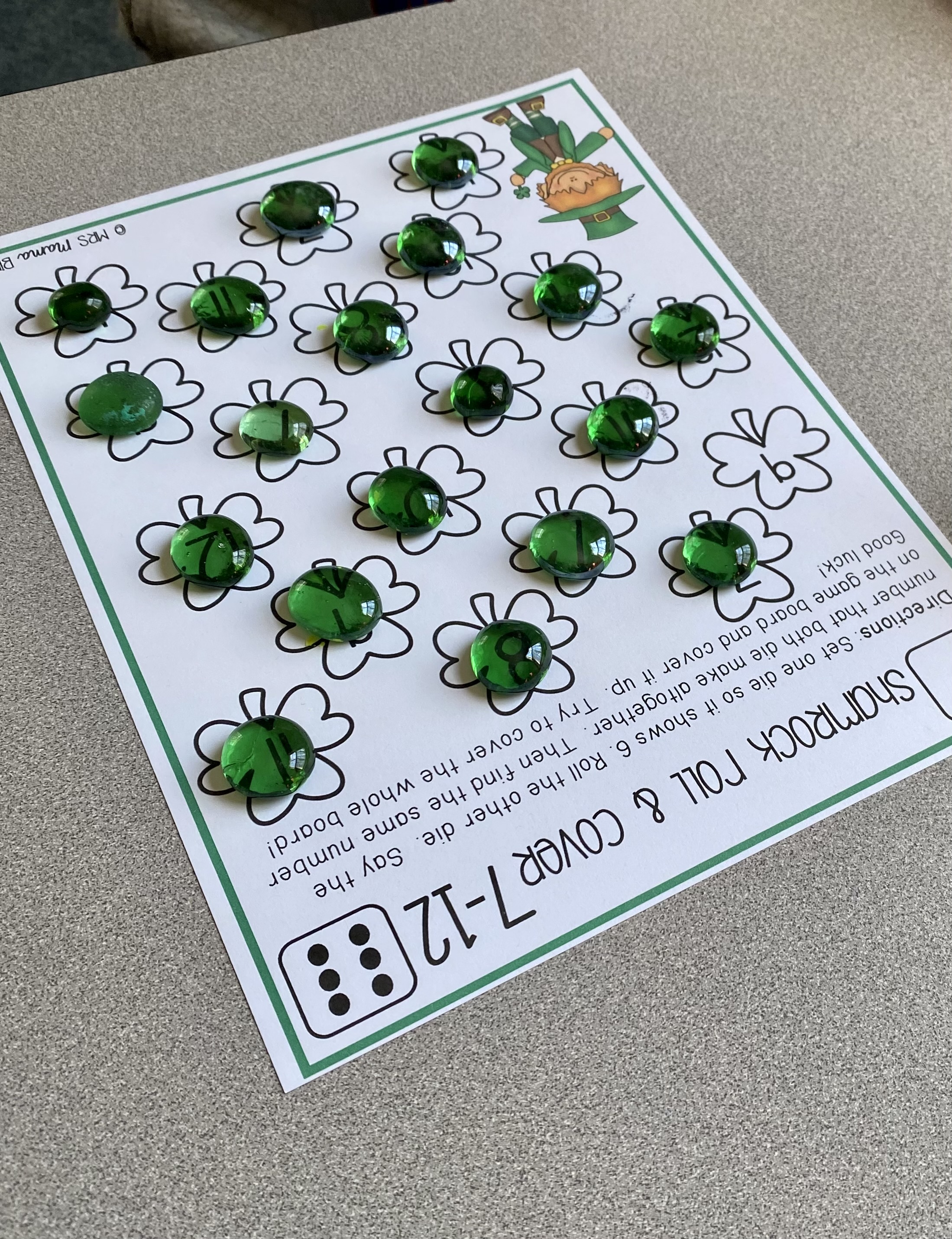
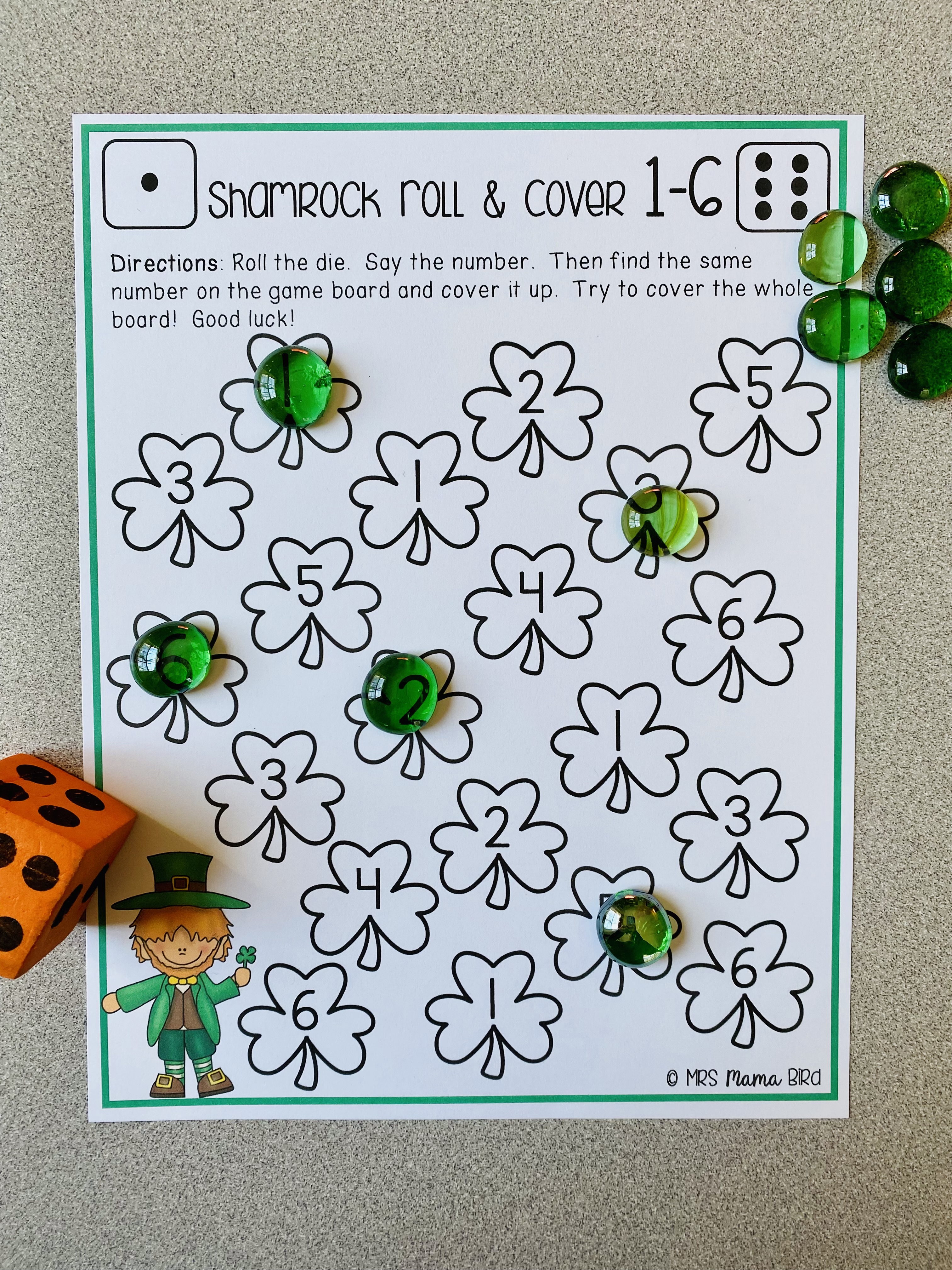
Next is another dice game! The Shamrock Roll and Cover is a simple way to practice subitizing and number recognition. Have your preschoolers roll the dice and cover the number they land on. They can play with partners or independently.

Emmett and I played this one together and he really enjoyed it. We used the 7 – 12 mat and I was able to use a blank foam cube that I had in my stash of supplies. I just wrote numbers 7 – 12 on it with a sharpie. You can also use 2 dice, but make sure one stays on the number six and the other one gets rolled.

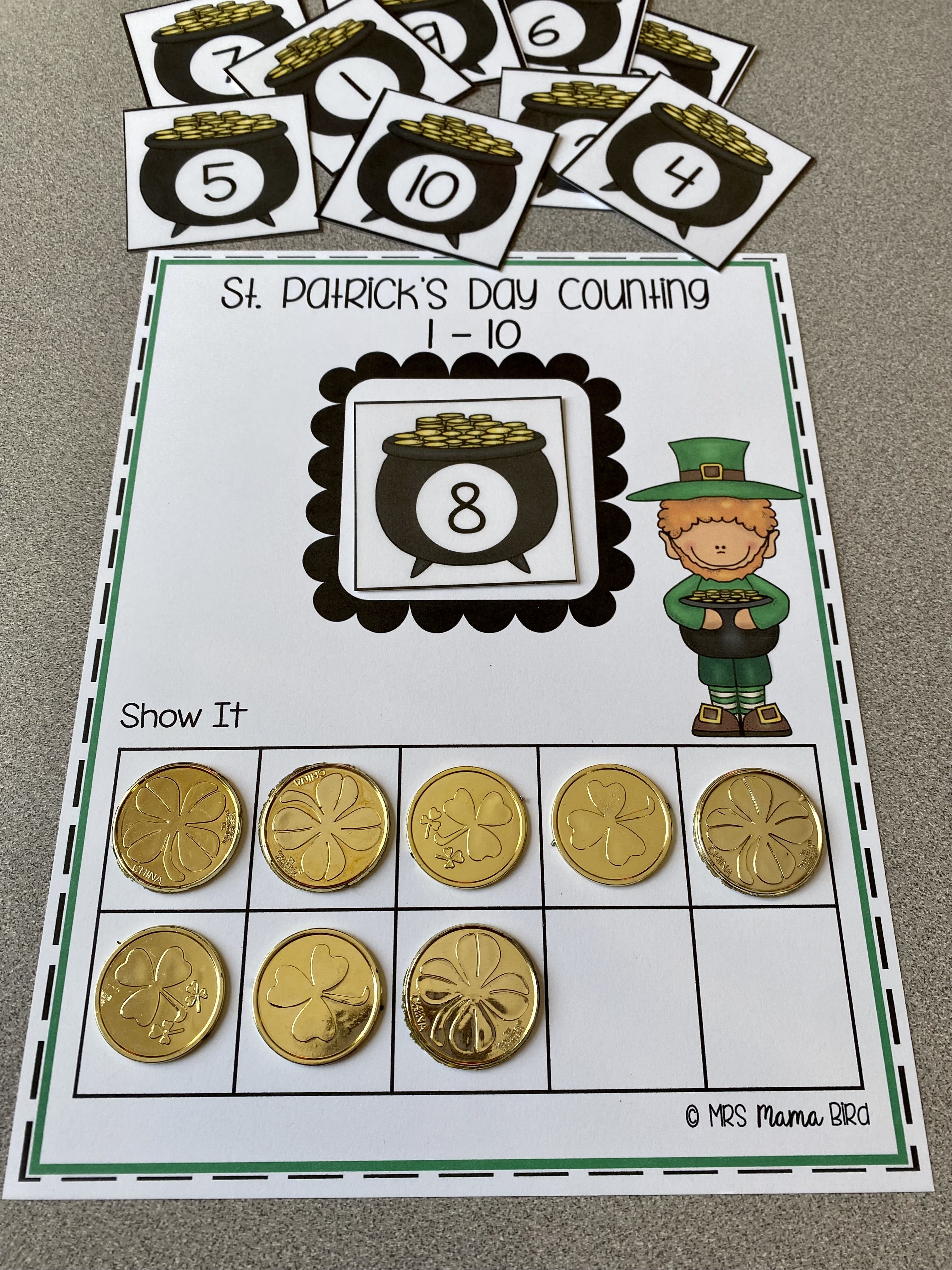
Another activity you can use these adorable number cards for is the St. Patrick’s Day Tens Frame Mats. Make the cards available, either in a sensory bin or draw pile, and have your preschoolers practice representing each number with counters in a tens frame. I used my plastic gold coins again for this one, but any counters will work. There is a mat for up to 10 and a mat for up to 20.

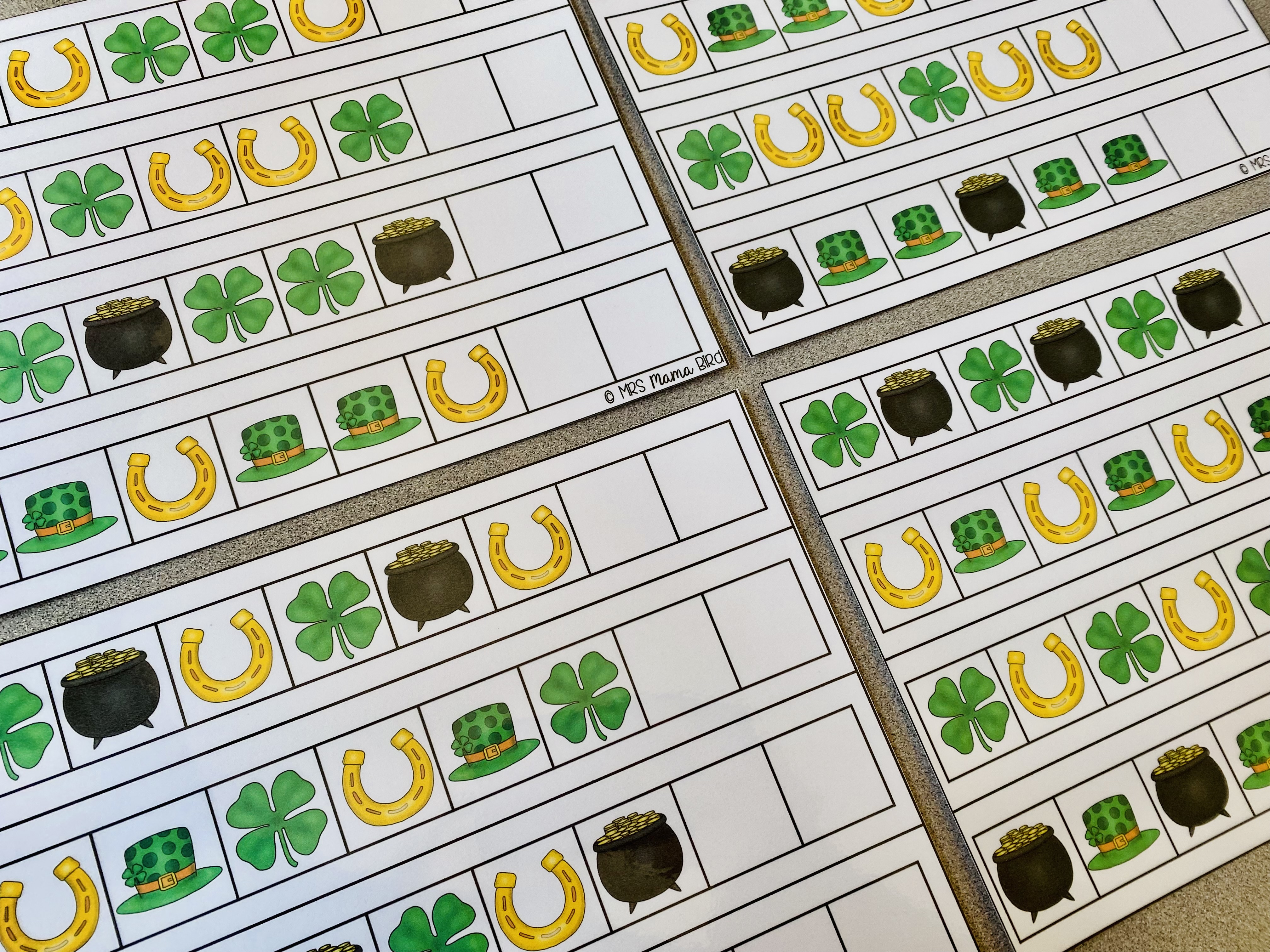
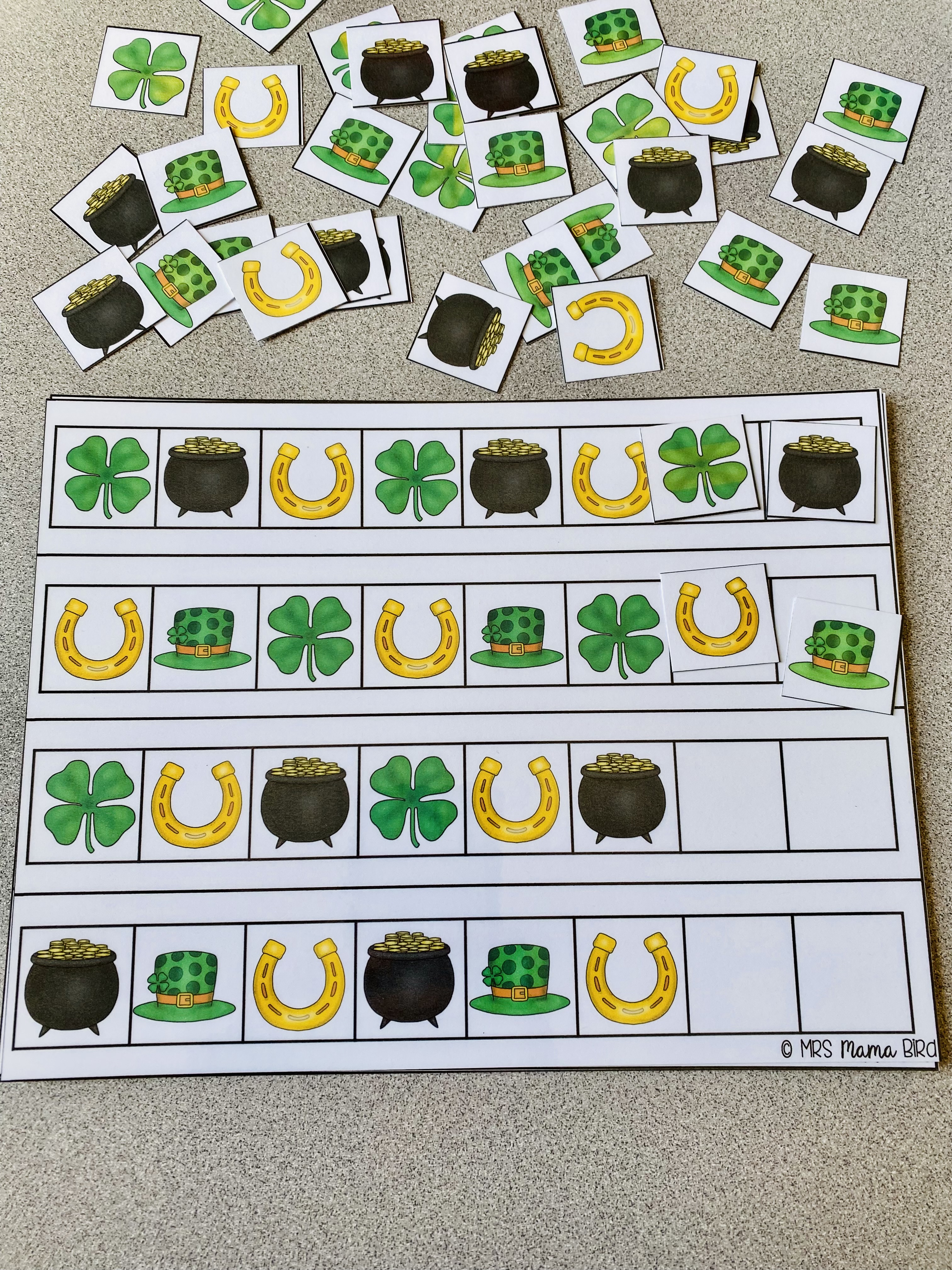
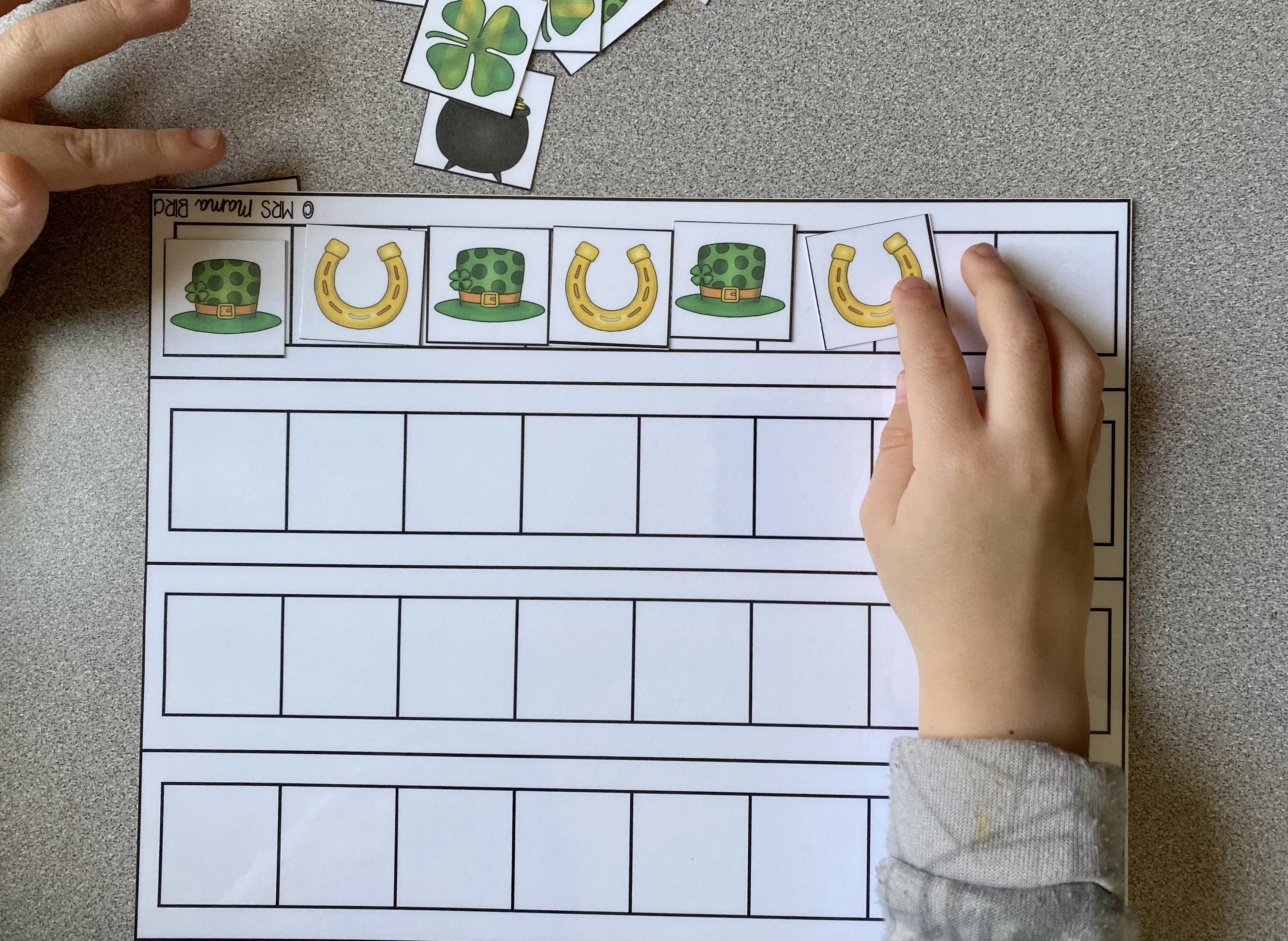
The St. Patrick’s Day pattern mats can be used as a full page or cut into pattern strips. The patterns include AB, ABC, ABB, and AAB. Preschoolers can use the little picture cards to complete the different patterns. If you have Velcro Dots, you could use those to help the pictures stay in place.

Emmett was so excited to show me what he knew about patterns. There’s also a blank pattern sheet included for those preschoolers that are ready to make their own patterns. Emmett got right to work on the blank sheet as soon as he finished the fill-in-the-blanks sheets.

The final St. Patrick’s Day preschool math activity I’d like to show you is all the puzzles I created. The first set includes 20 sets of two piece puzzles. One piece has a number and the other piece has a quantity, all St. Patrick’s Day themed. Preschoolers can take turns matching these or connect them independently if they are ready.

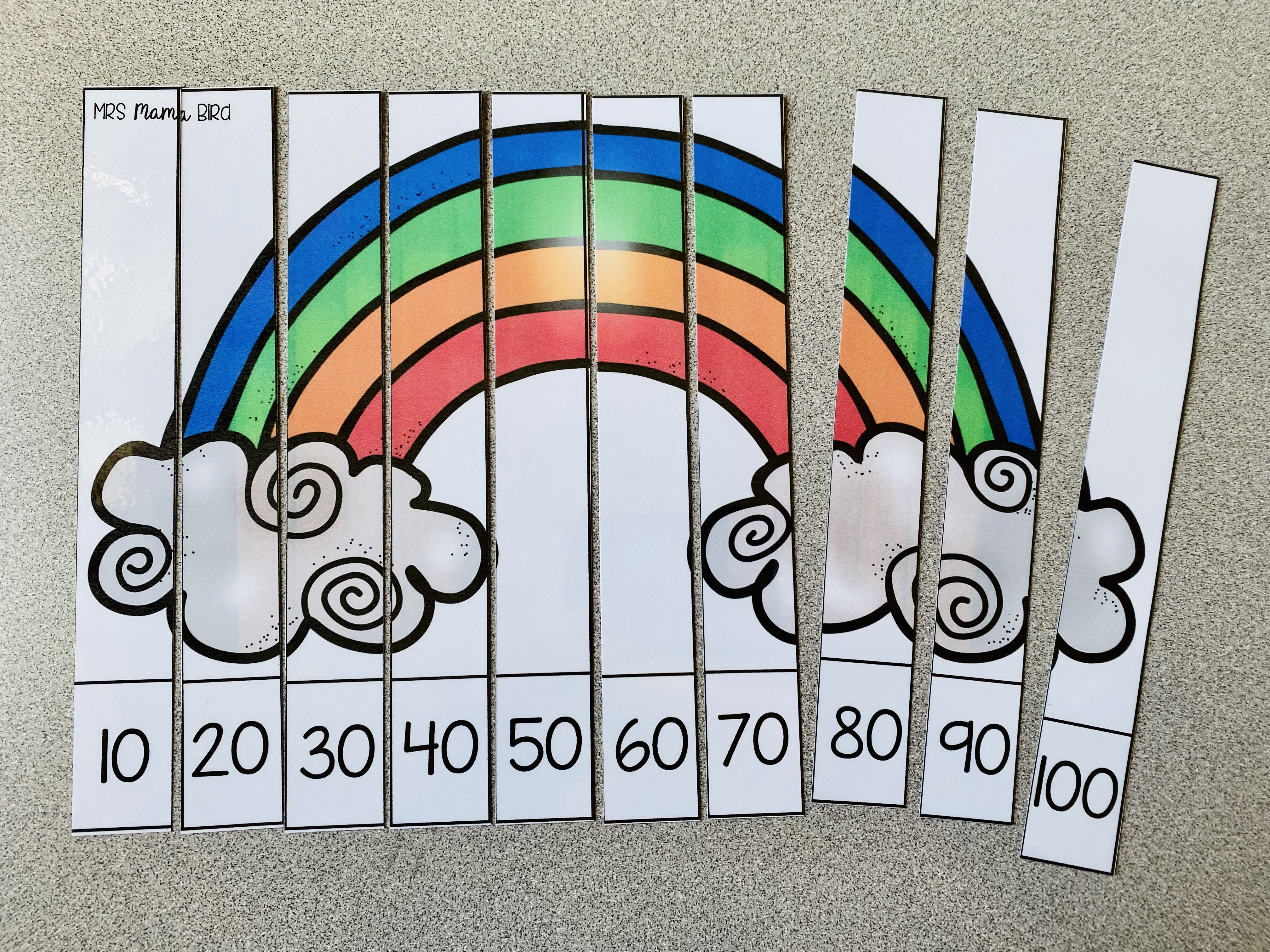
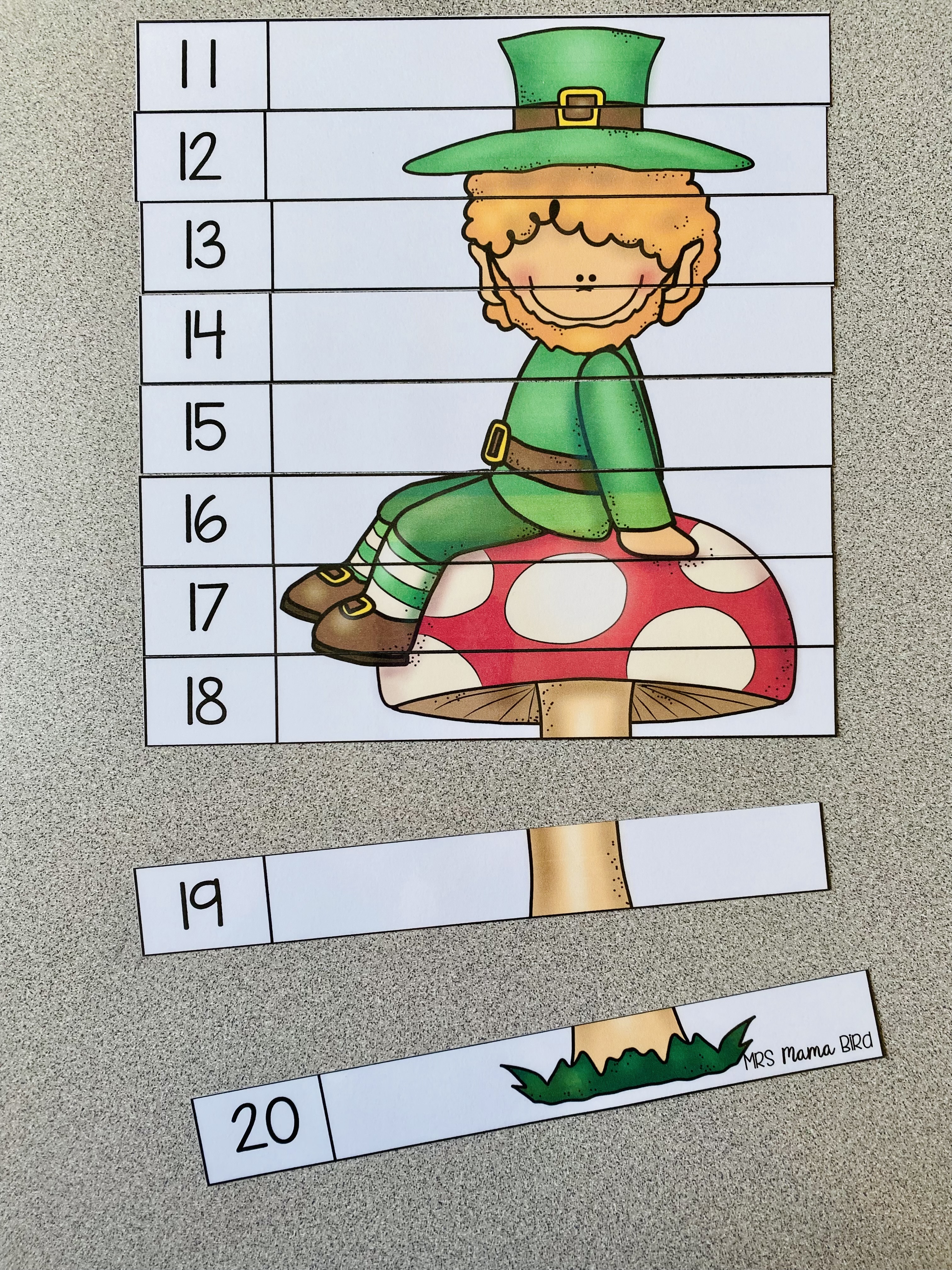
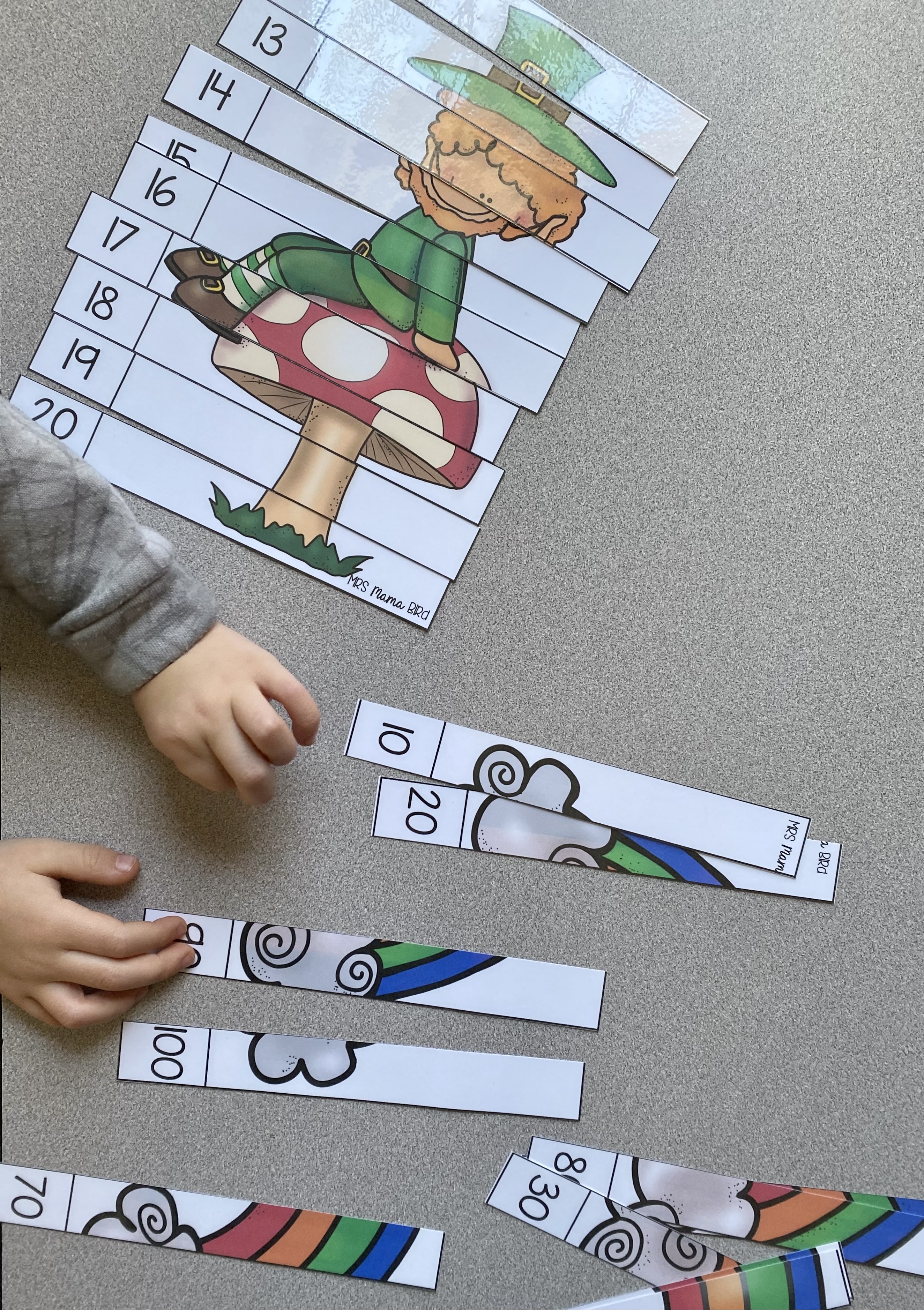
The second set of puzzles include numbers and pictures. Once you cut these puzzles into strips, students can use the pattern (counting or skip counting) to help them put the St. Patrick’s Day pictures back together. The puzzles are tiered so that you can differentiate for your students. They include counting 1 – 3, 1 – 4, 1 – 5, 6 – 10, 11 – 20 and skip counting by 2s and 10s.

Emmett is 5 and is getting ready to start kindergarten in the fall, so he chose to practice counting from 11 – 20 and by 10s. I did have to tell him what number each puzzle started with so that he could get started. But after that, he was good to go!

I hope you were able to find some inspiration for your little learners! If you are interested in downloading these paid and free resources from my shop, click the icons below. Happy St. Patrick’s Day!
I add new ideas and resources for early learners all the time! Be sure to follow me by clicking the social icons at the top of this post.

You may also be interested in these posts…

Counting, Spring

Lion & Lamb Activities for Preschool *Free Printable*

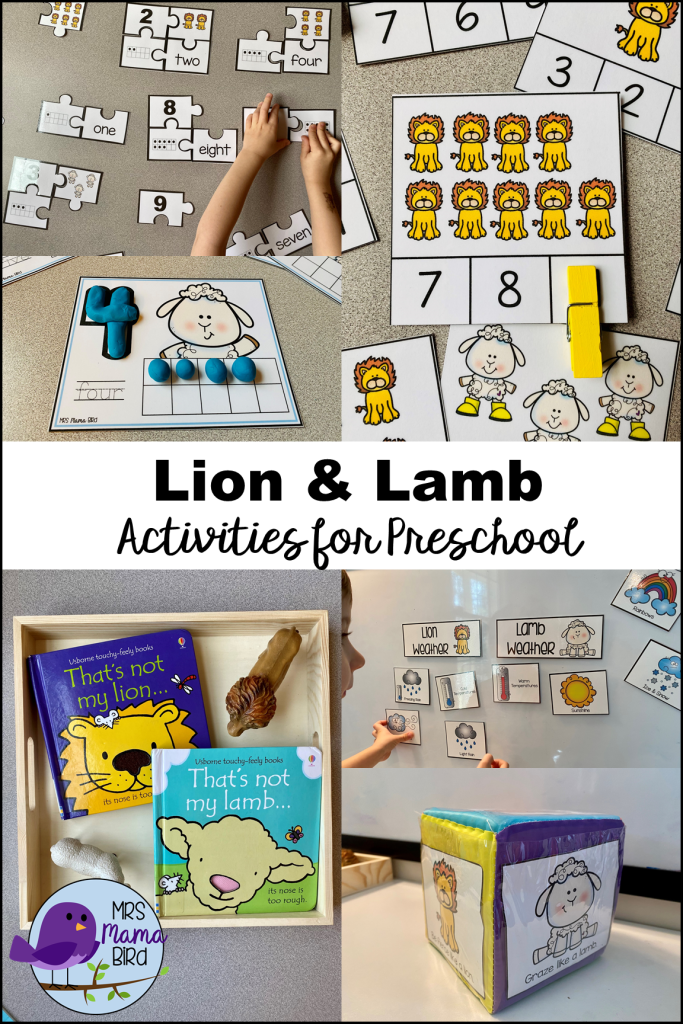
March has begun and we are counting down the days until spring! The old saying “In like a lion and out like a lamb” is the perfect way to teach preschoolers about the transition from winter to spring. I put together some lion and lamb themed weather activities, counting activities, and a FREE movement activity for you to use with your preschoolers.

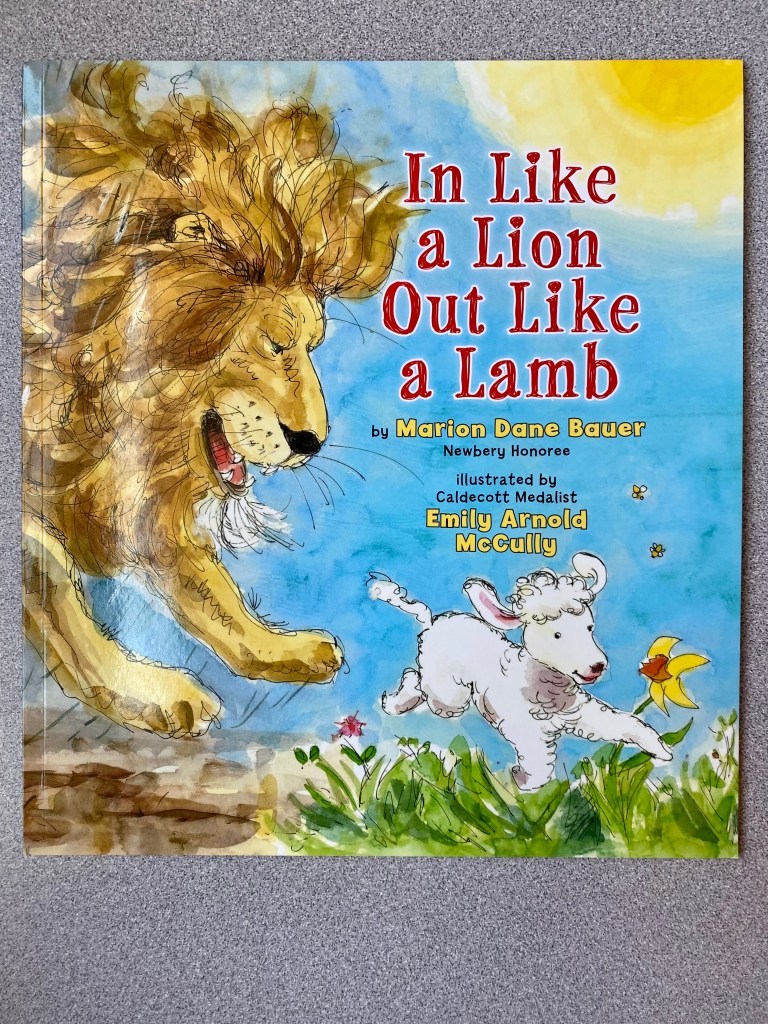
In Like a Lion Out Like a Lamb, by Marion Dane Bauer, is a beautifully illustrated picture book that showcases the symbolism of the lion and winter and the lamb and spring.

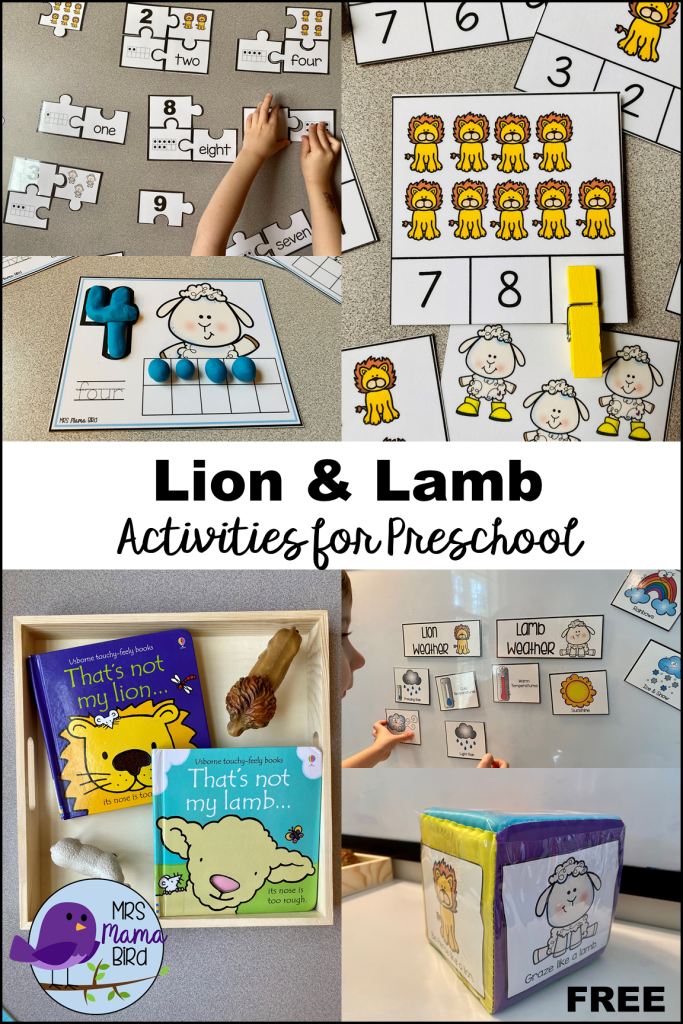
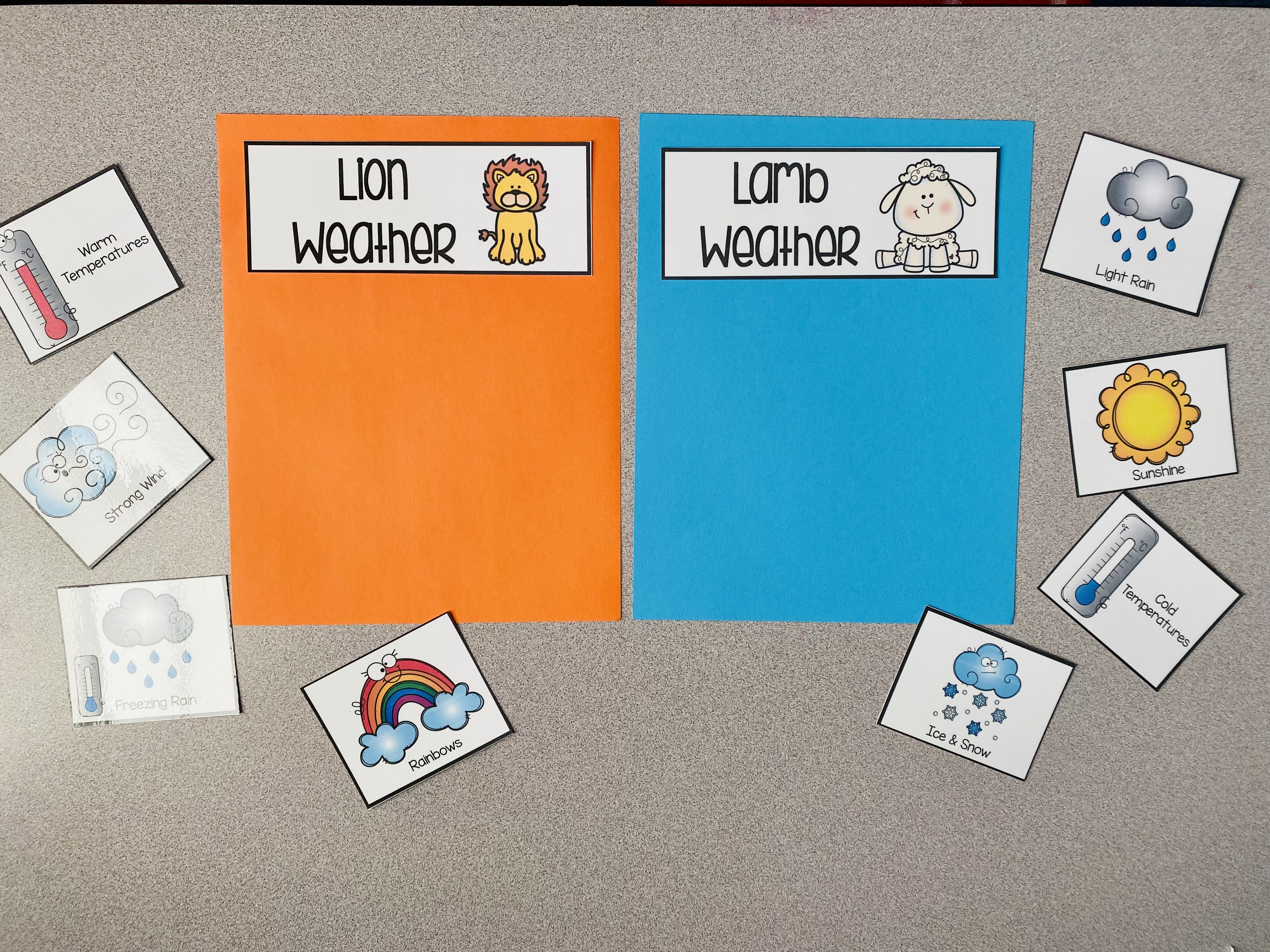
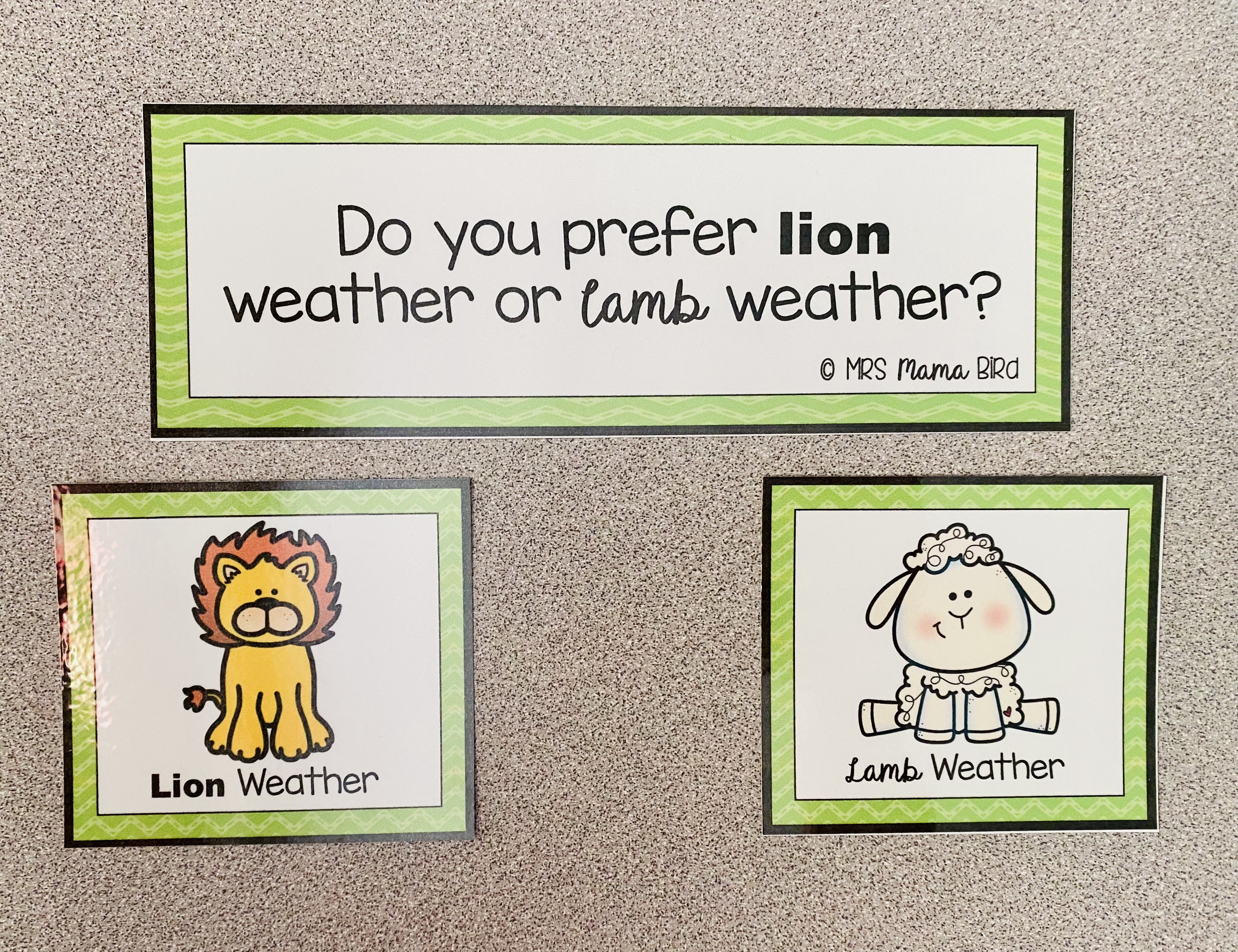
To help preschoolers learn the characteristics of the Lion and the Lamb, I created a weather sort to show the different types of weather that each animal represents. You can decide to keep these in tact and use as posters or cut them up and use as a card sort.

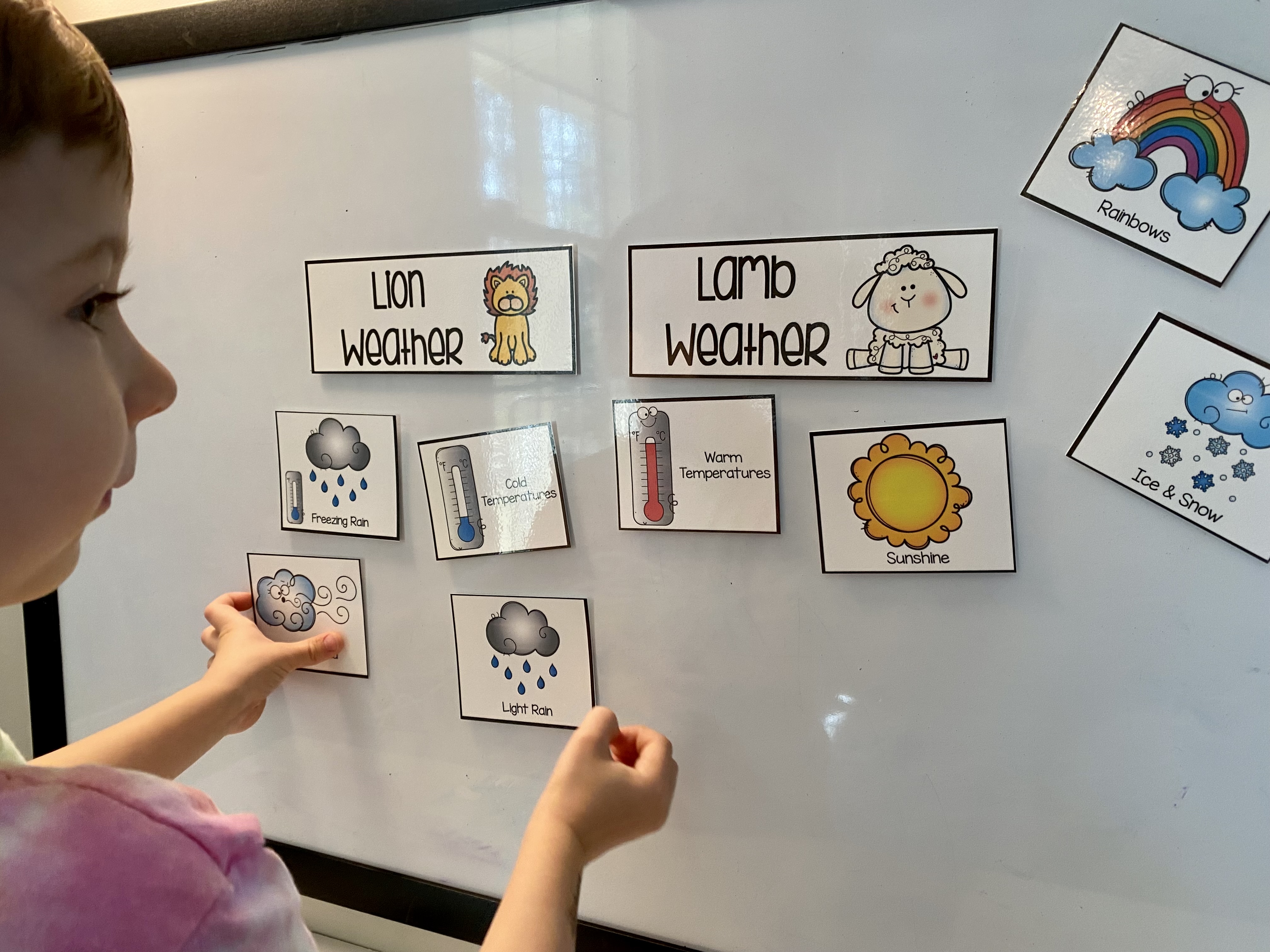
I cut the cards up and added magnets to the back for Emmett to manipulate on our vertical surface. He was excited to do this activity right after reading the story. The “Light Rain” card started a conversation about the different types of showers. We looked back into the story to check and found out that the lamb did in fact bring rain showers in the spring, so he moved that card to the Lamb Weather side.

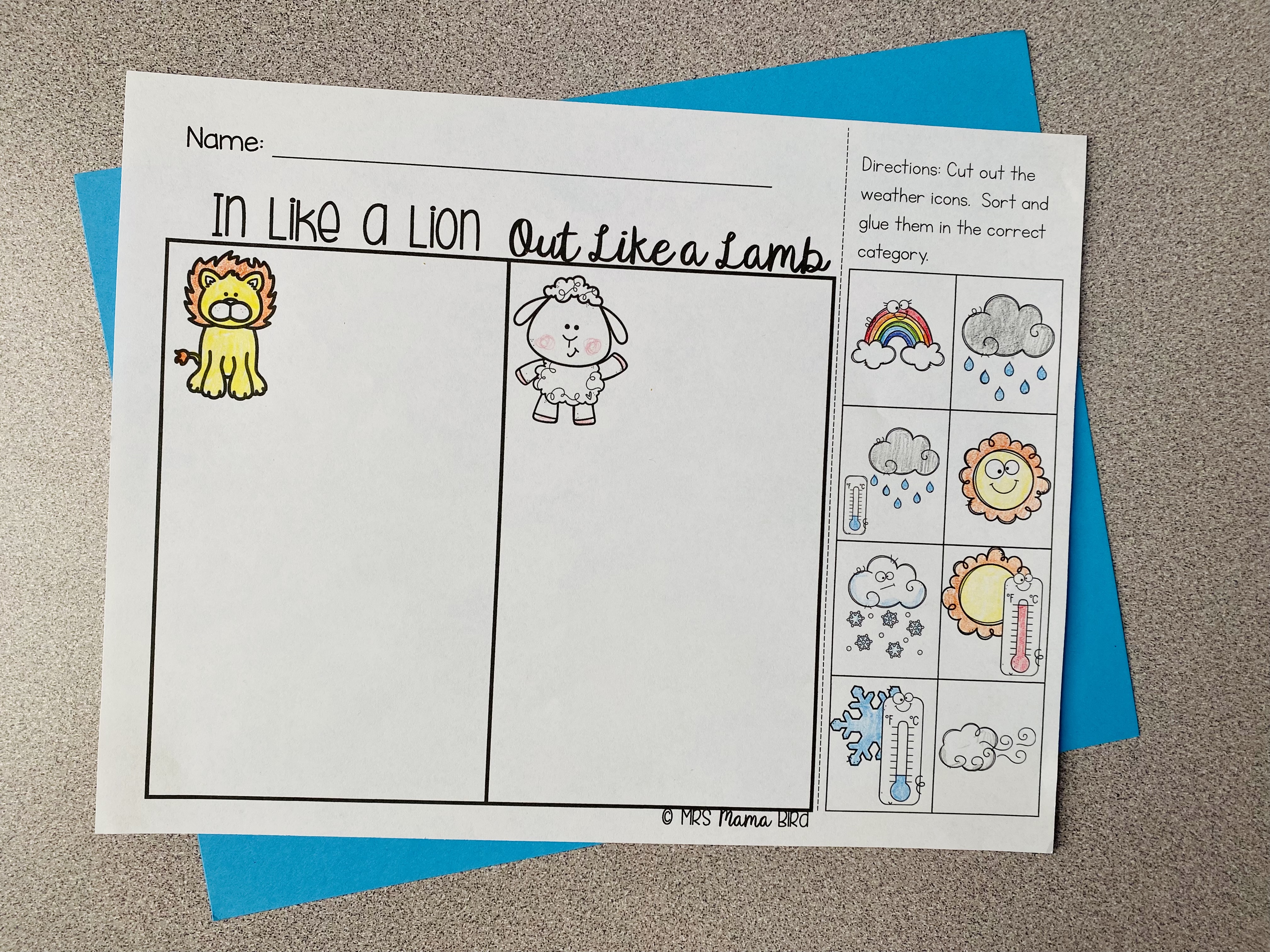
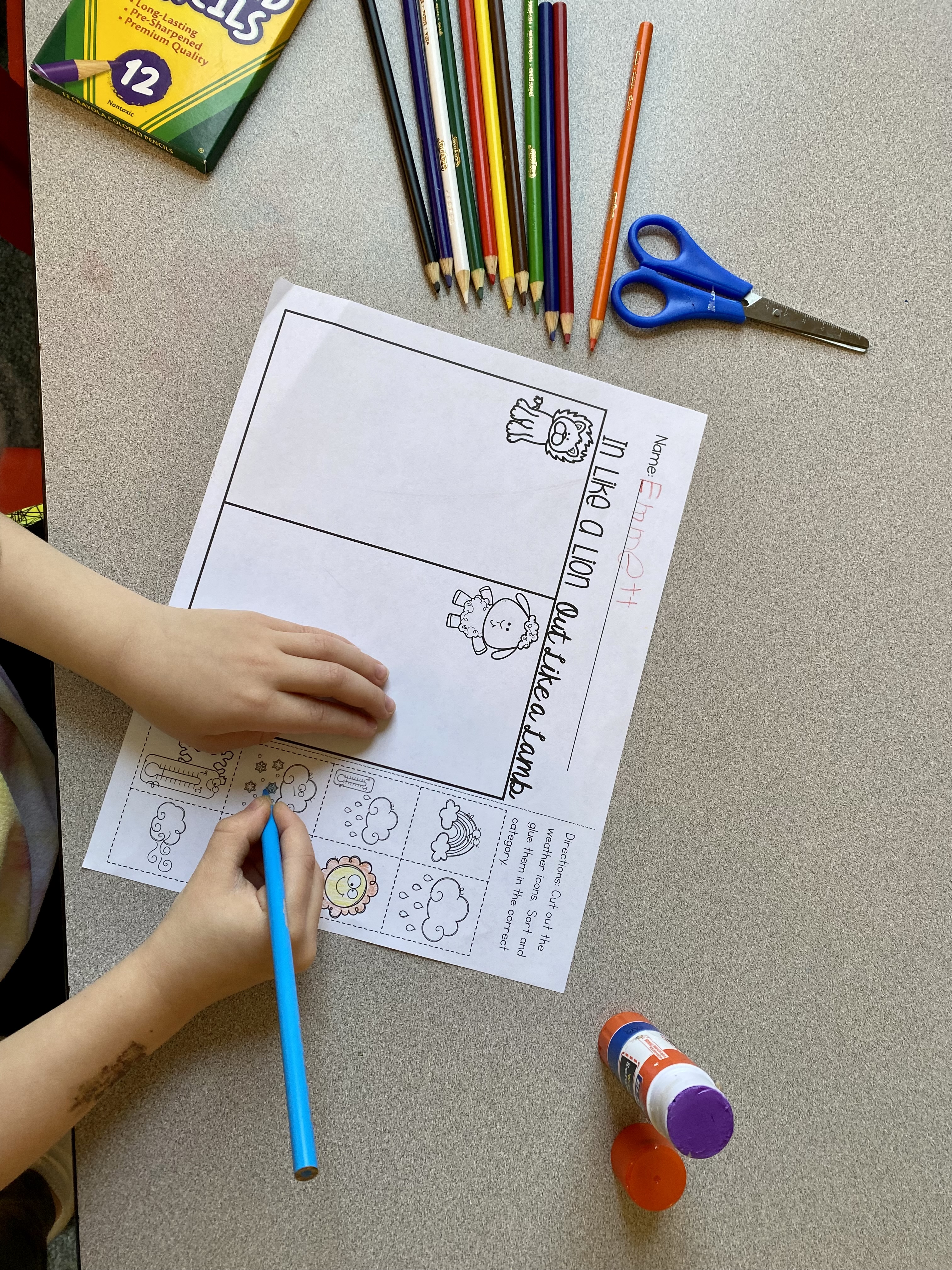
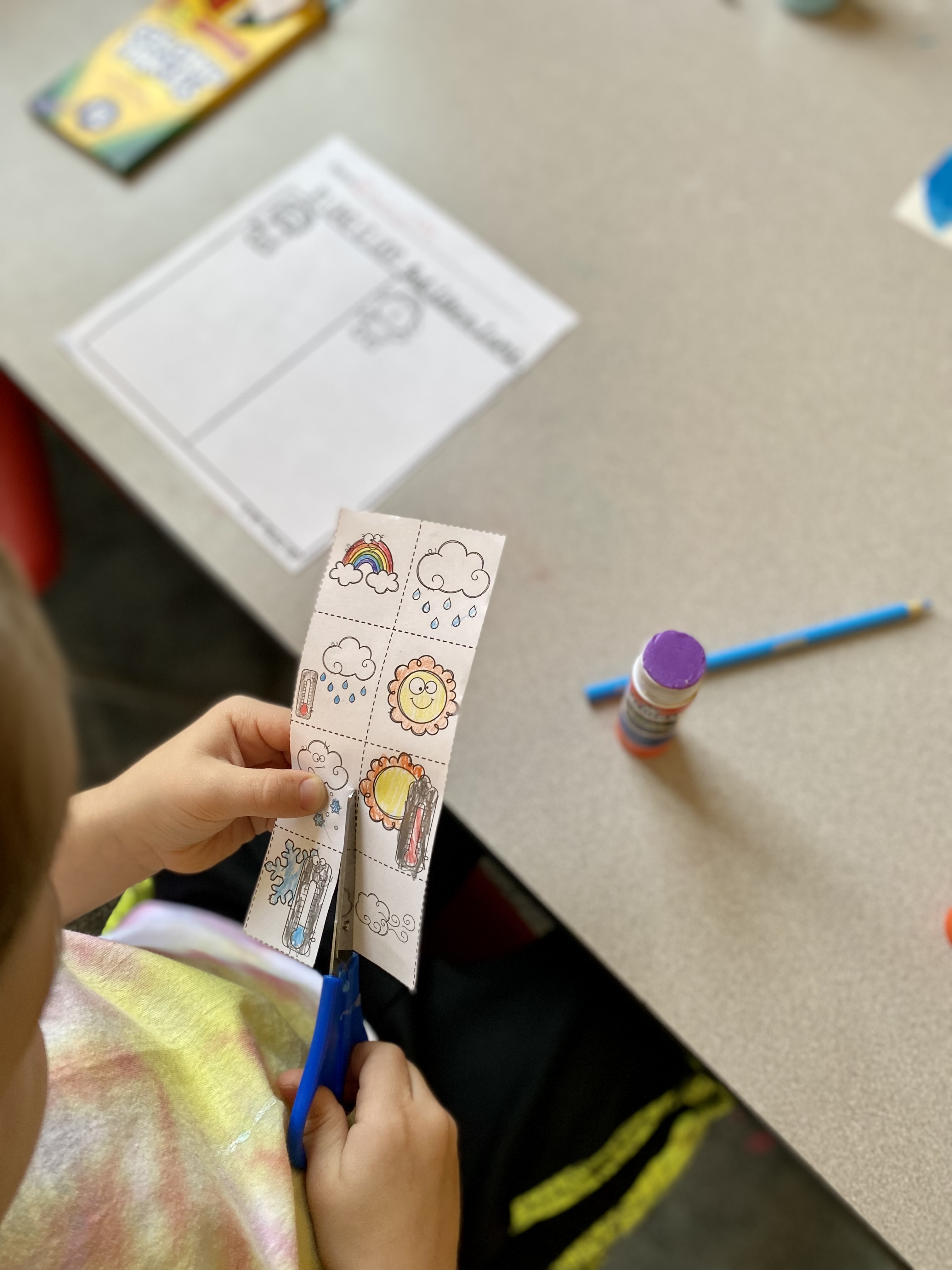
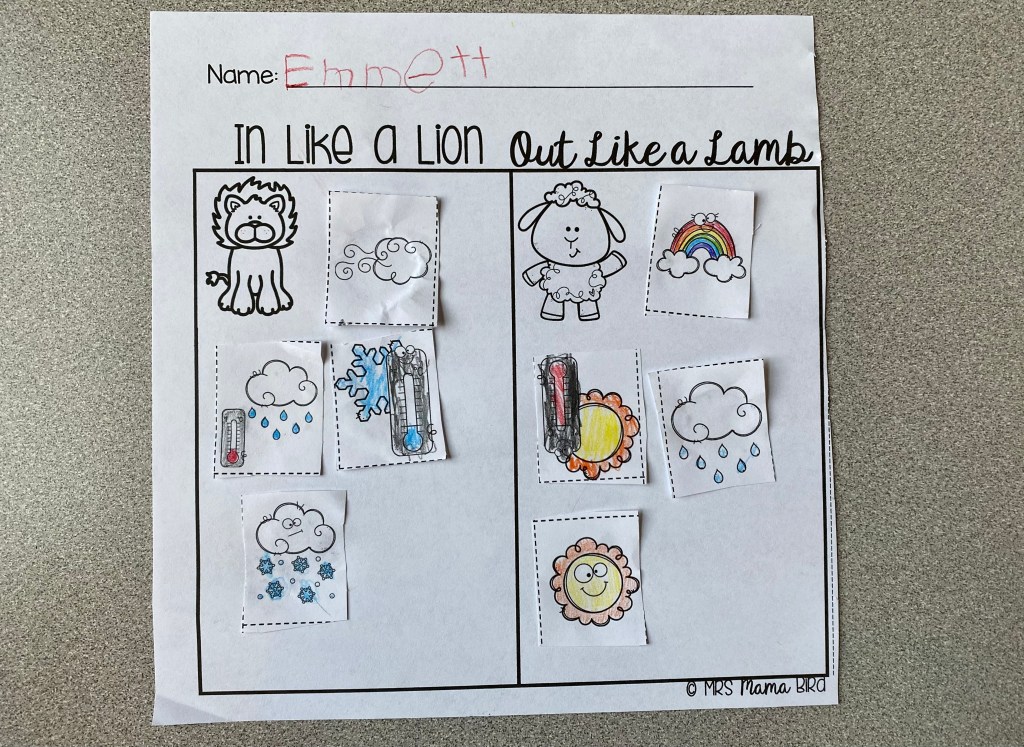
The Lion and Lamb Weather card sort set the stage for Emmett to complete the Lion and Lamb Cut & Paste activity independently. He still gets a little overwhelmed by coloring, so we took turns coloring the weather icons. Then he cut and glued them all on his own.

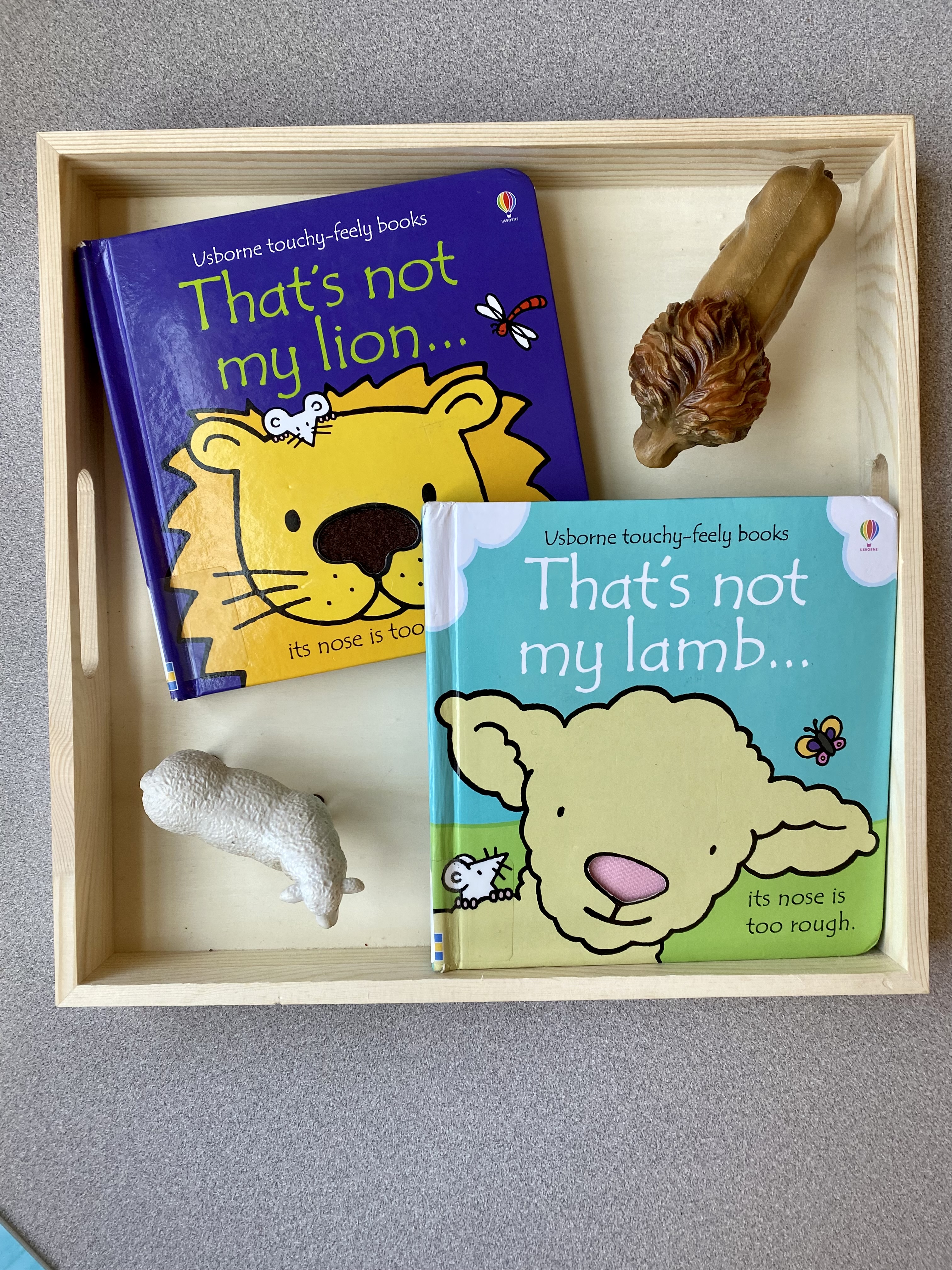
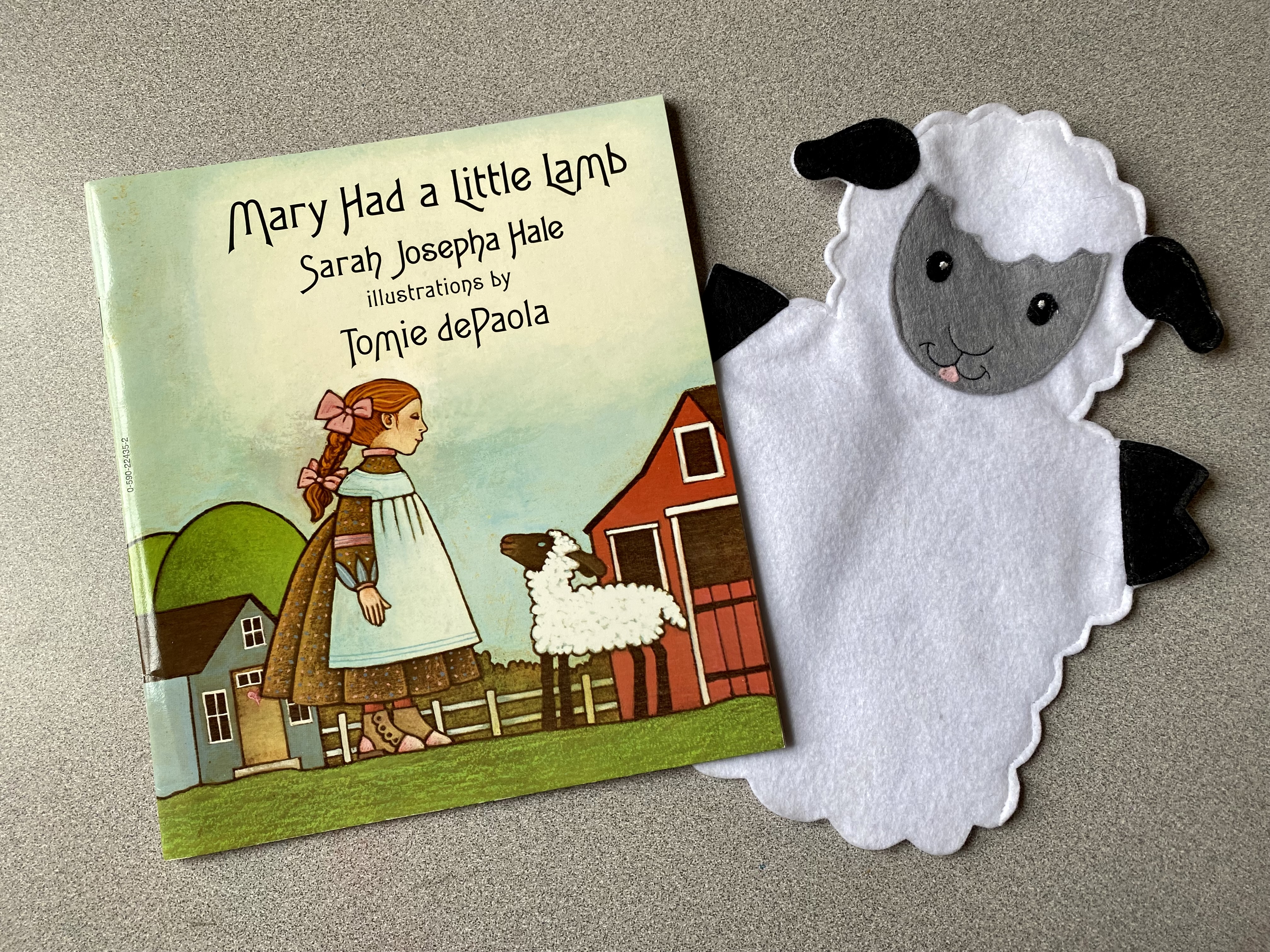
I had a few items set aside for Lillian and I to explore while Emmett was doing the cut and paste activity. I pulled the lion and lamb animal figurines from our animal set and paired them with the corresponding “That’s Not My…” book. I also prepared Mary Had a Little Lamb alongside a lamb puppet that I was lucky enough to acquire from a retiring preschool teacher. As adorable and fitting as these items were, Lillian was just not that into them today!

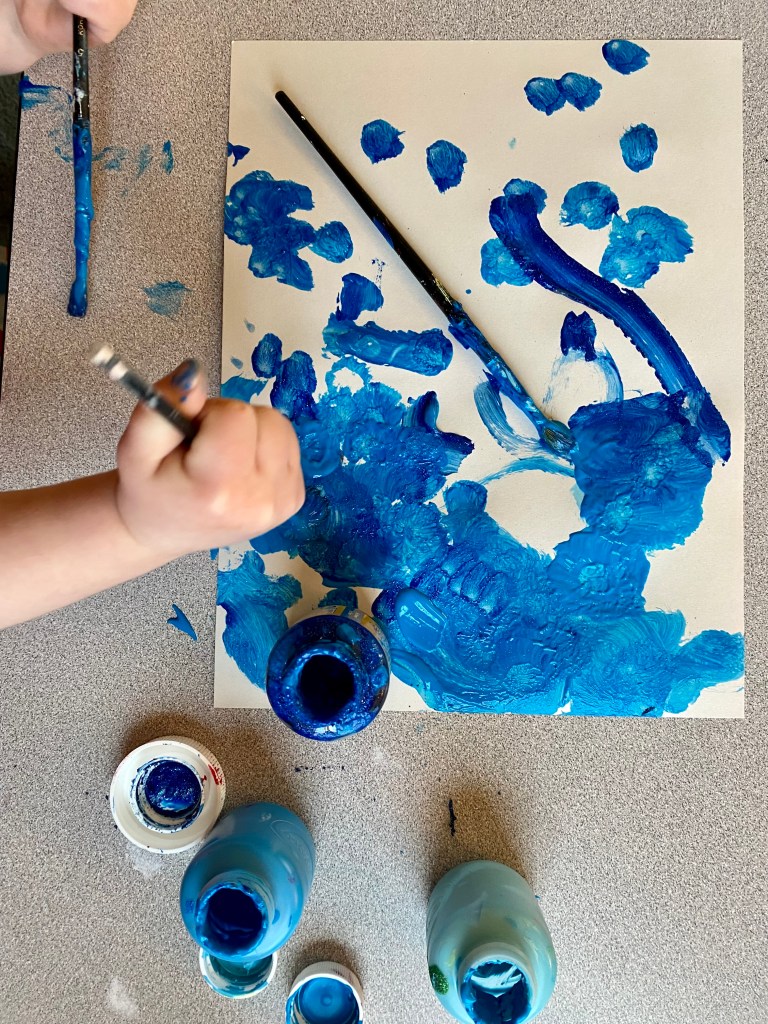
I had to improvise to get her engaged so that I could monitor her as well as help Emmett with his activity. I quickly whipped out some blue paint and a gray piece of cardstock and told her to paint a “Lion Storm.” She loved that! Next time I will have some process art handy ahead of time for Lillian!!

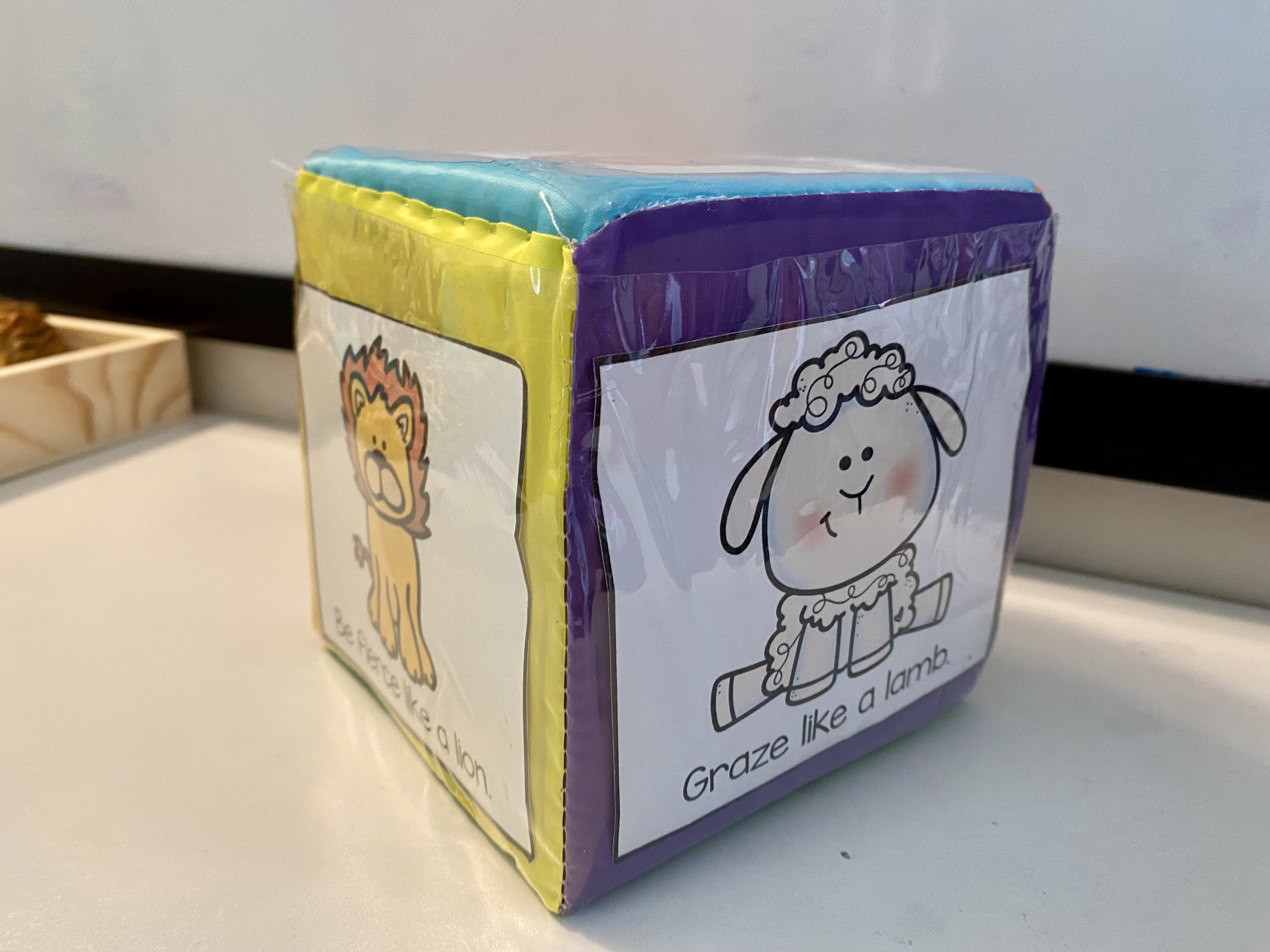
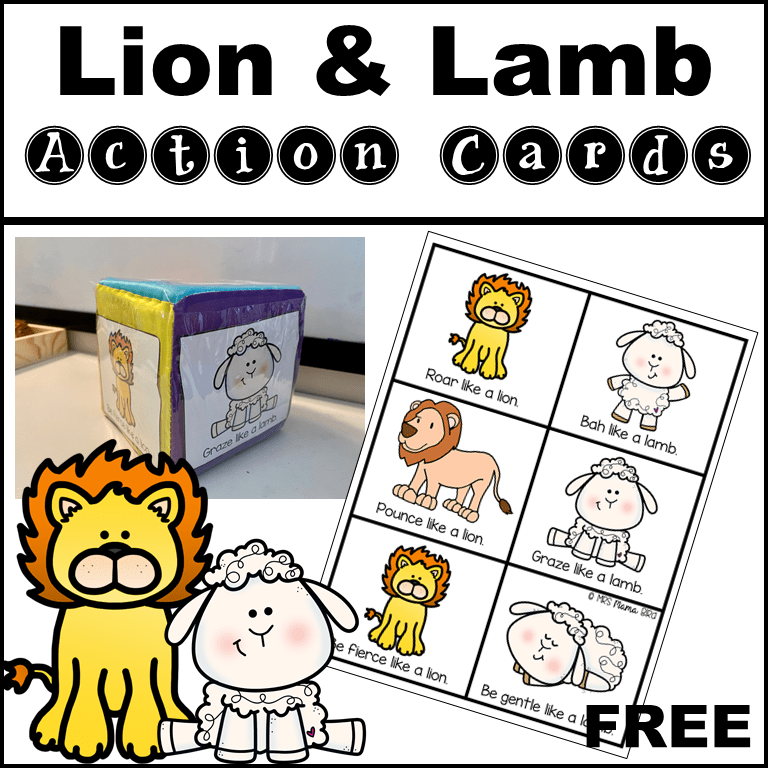
Once the paint was all cleaned up, I introduced the Lion and Lamb Action Dice game to the kiddos. There are 6 cards total, 3 lion themed cards and 3 lamb themed cards. Each card states an action that the preschoolers can do to imitate either a lion or a lamb. I just cut the cards out and placed them in my pocket dice. If you don’t have a pocket dice, you can easily put the cards in a draw pile face down or inside a grab bag. Emmett and Lillian LOVED this game!! We took turns rolling the dice and made sure to play until all the actions were done at least once. Emmett’s favorite was by far “pounce like a lion.” The FREE download for this game is available at the bottom of the post!

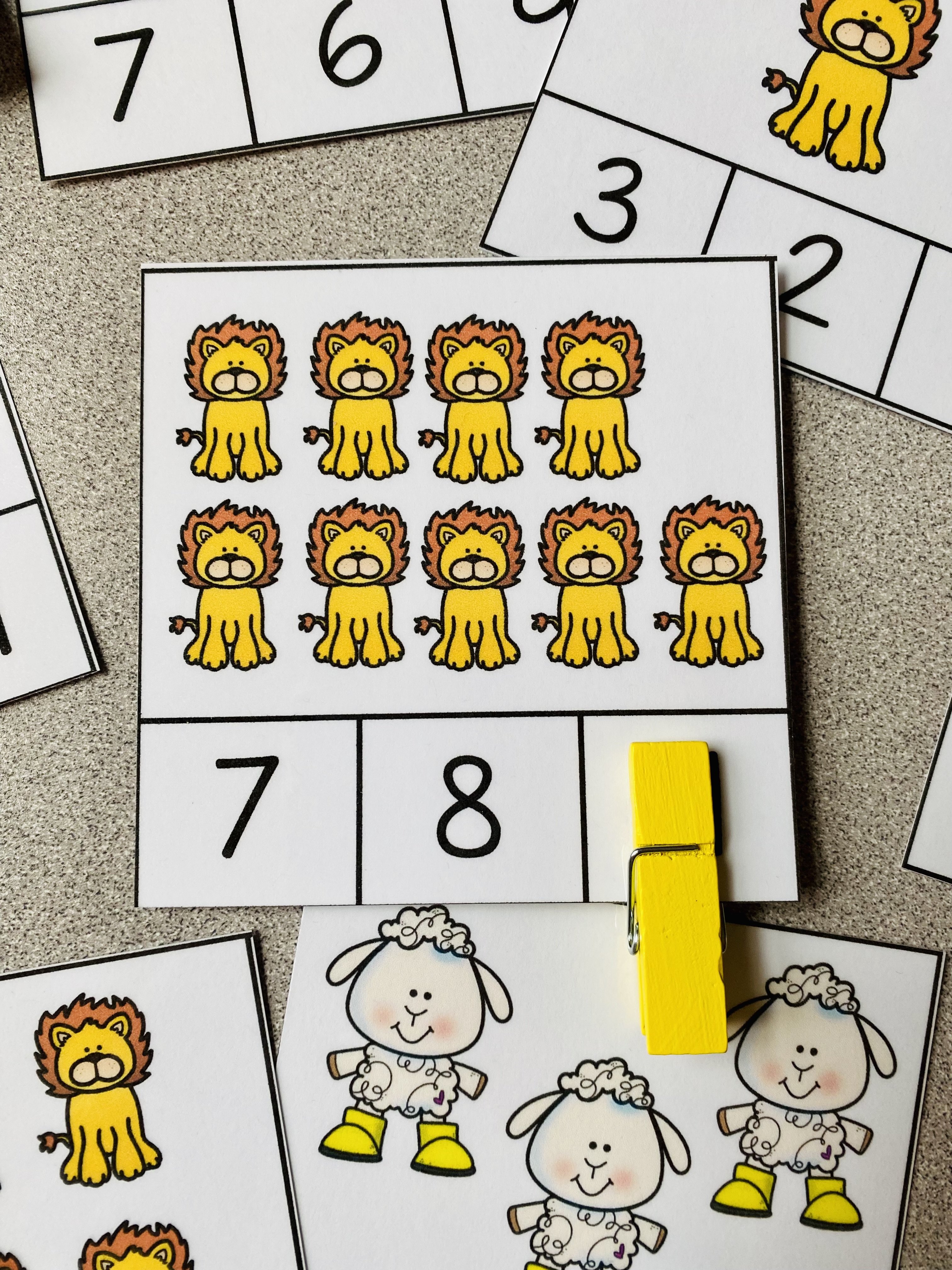
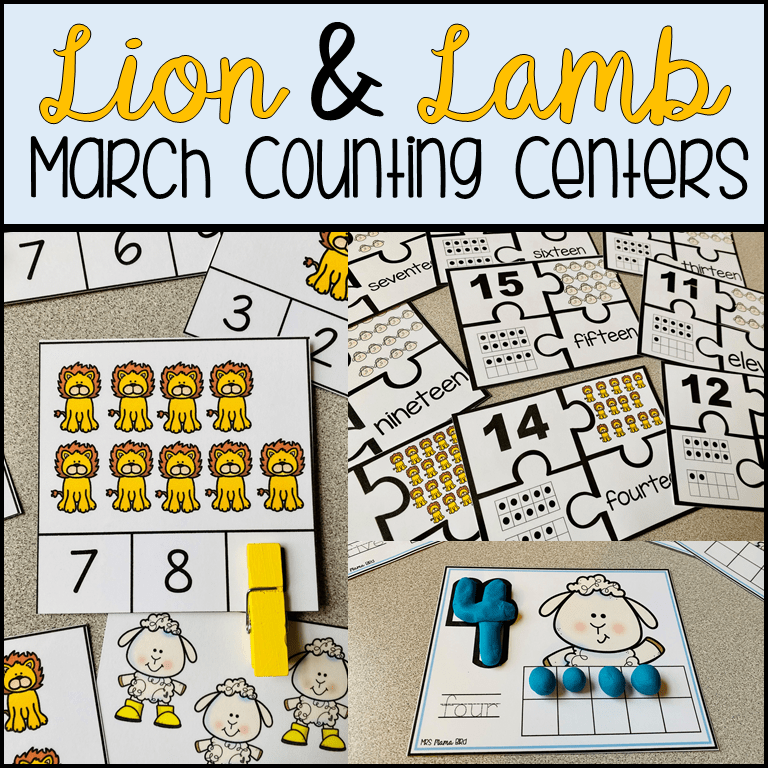
After our dice game, I set up three counting centers for Emmett. The first center included 12 clip cards featuring different amounts of lions or lambs. Preschoolers can count the number of lions or lambs in the picture then clip the correct number.

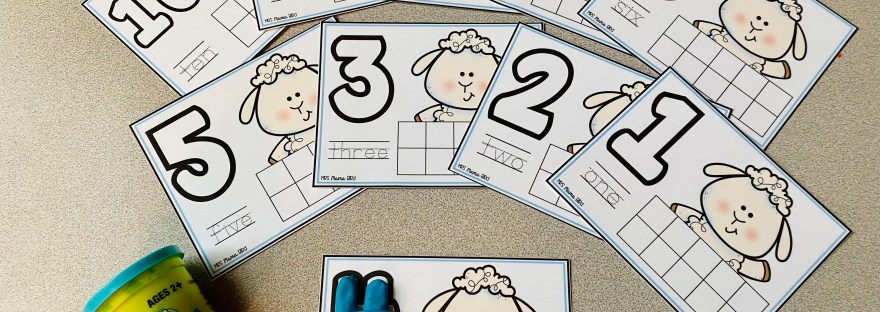
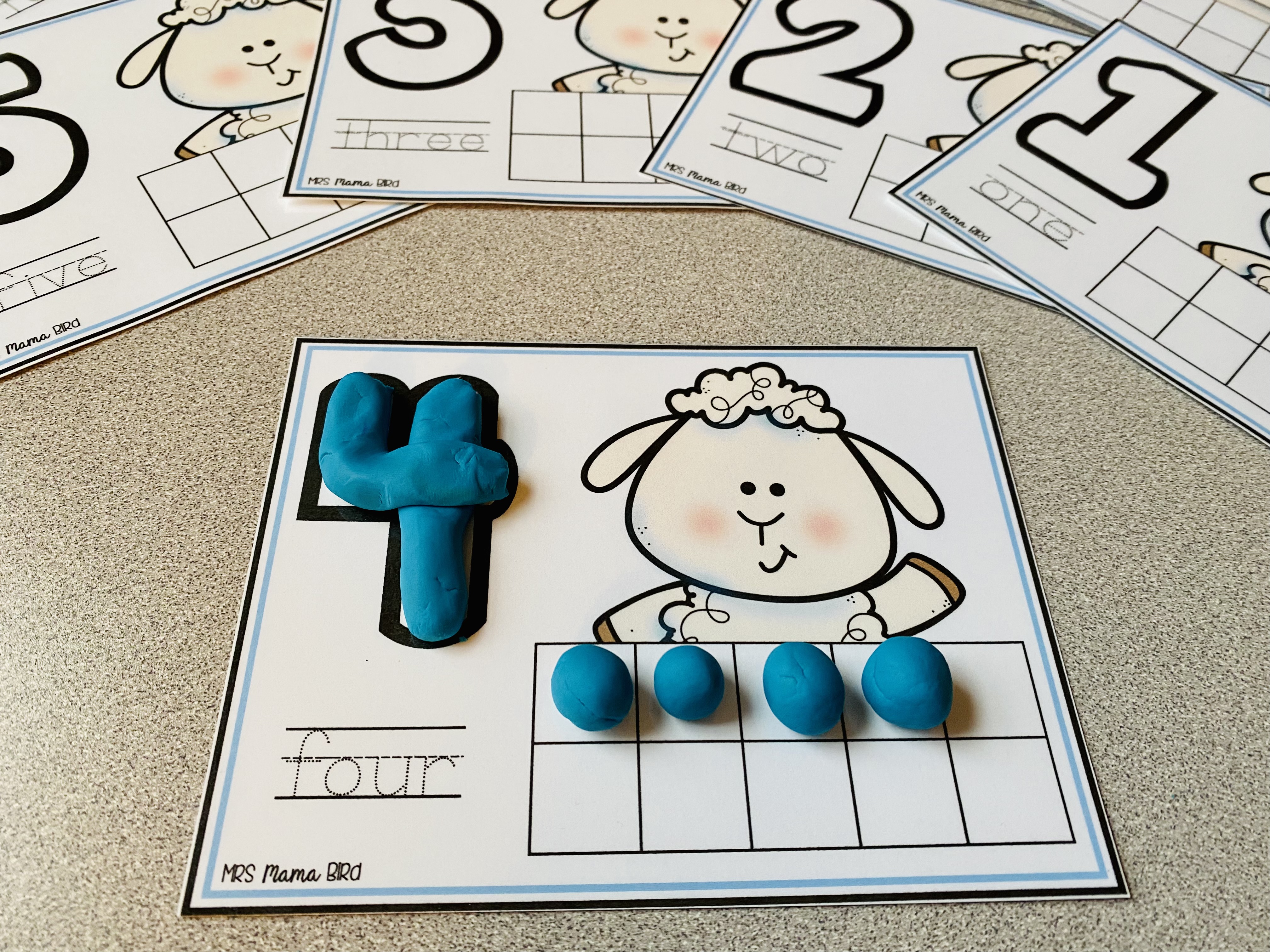
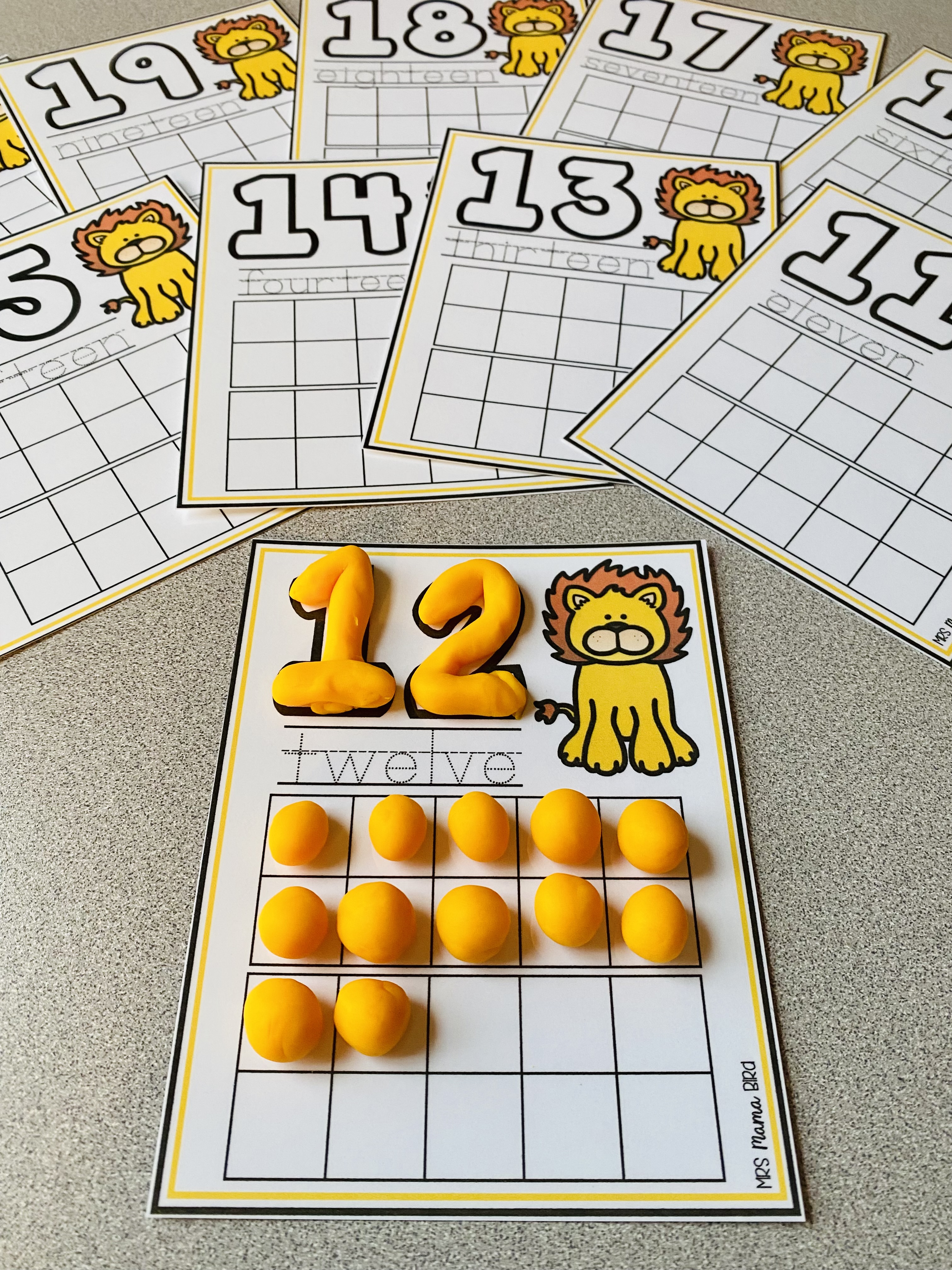
Another counting center consisted of two types of number mats. The lamb mats depicted numbers 1 – 10 and the lion mats depicted numbers 11 – 20. Each card had a bubble number for building the number, a tens frames for showing the number and a traceable word for writing the number. I designed these mats with play doh in mind, but you can use any small manipulative that you have handy.

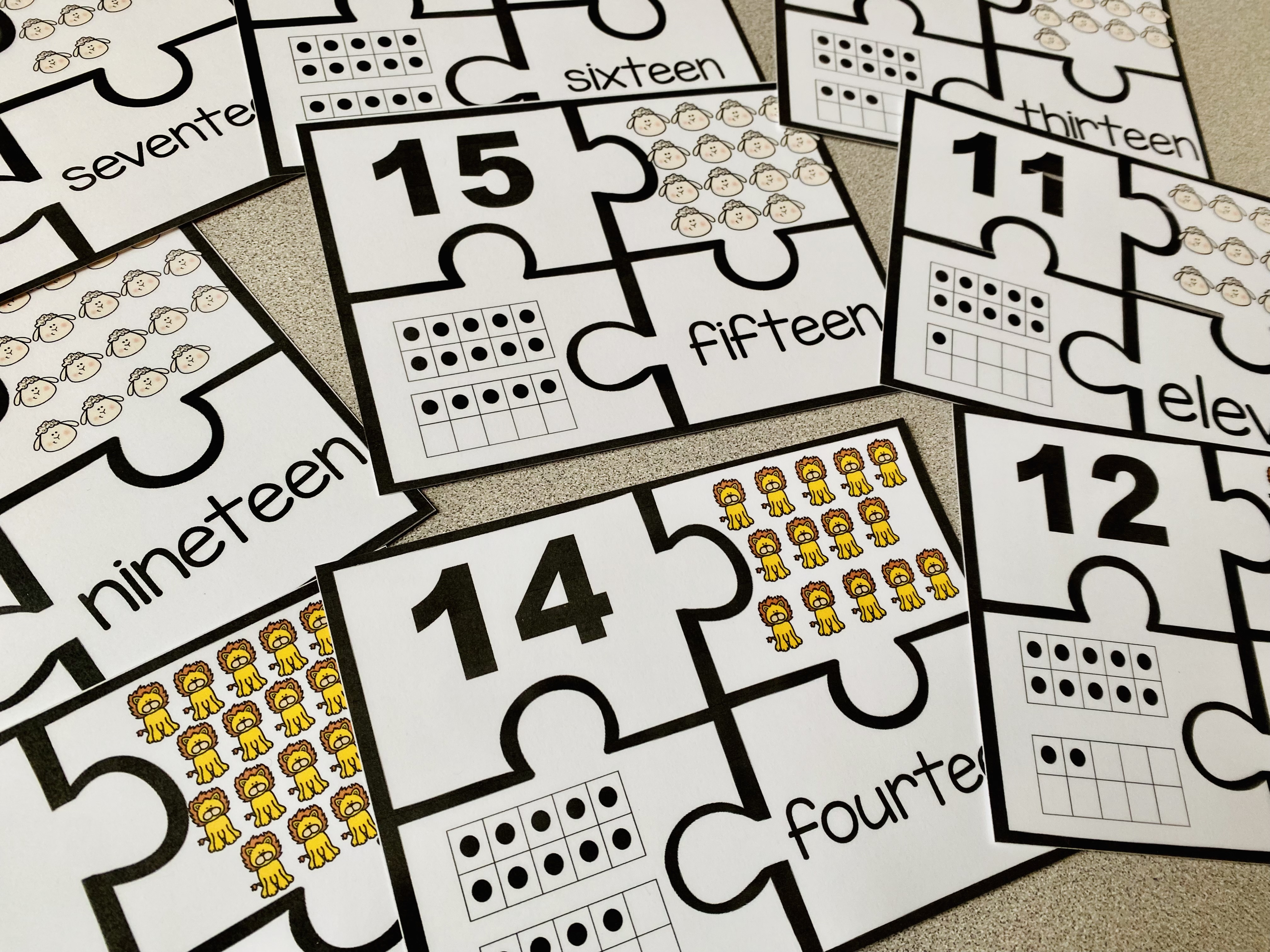
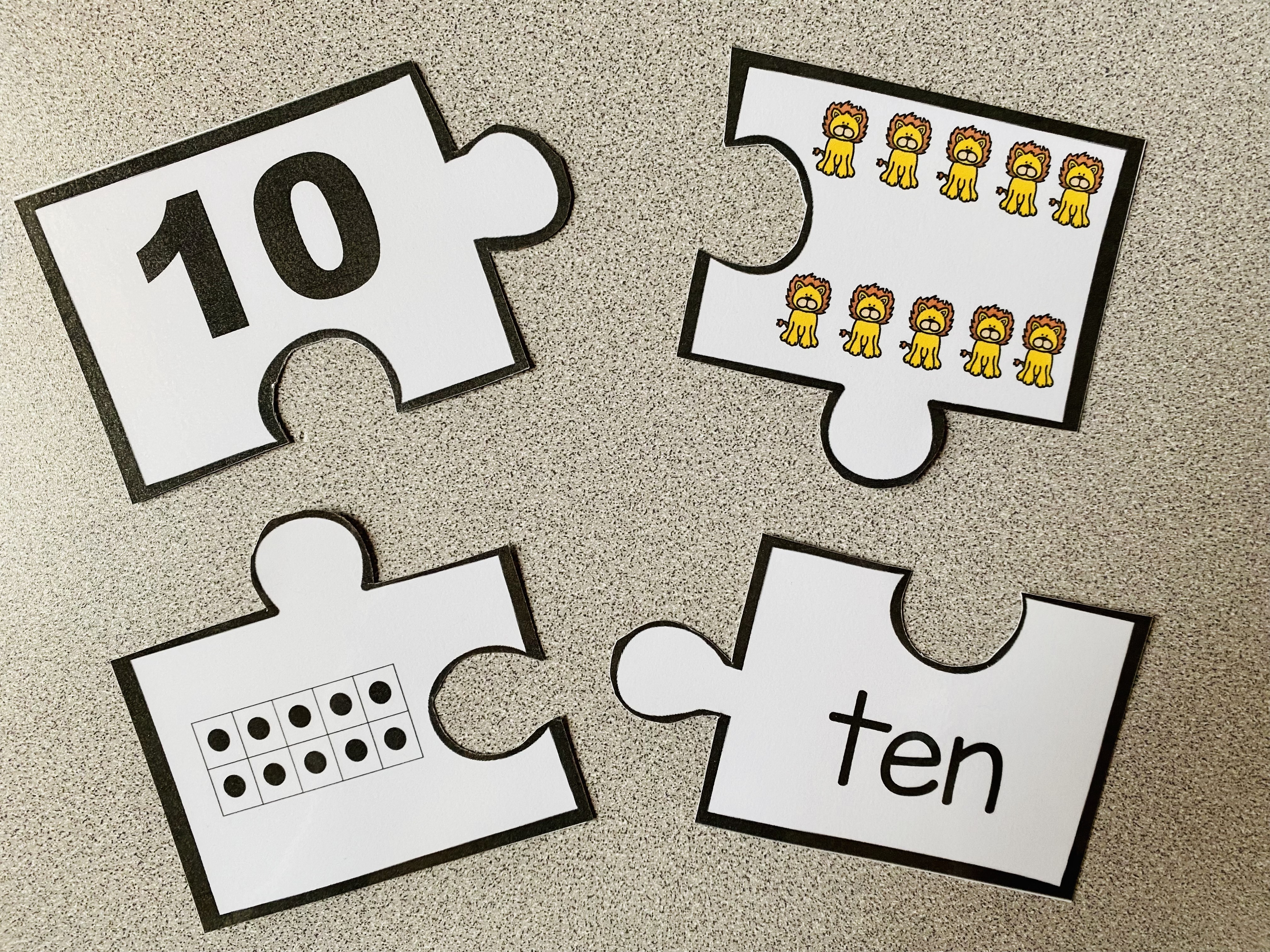
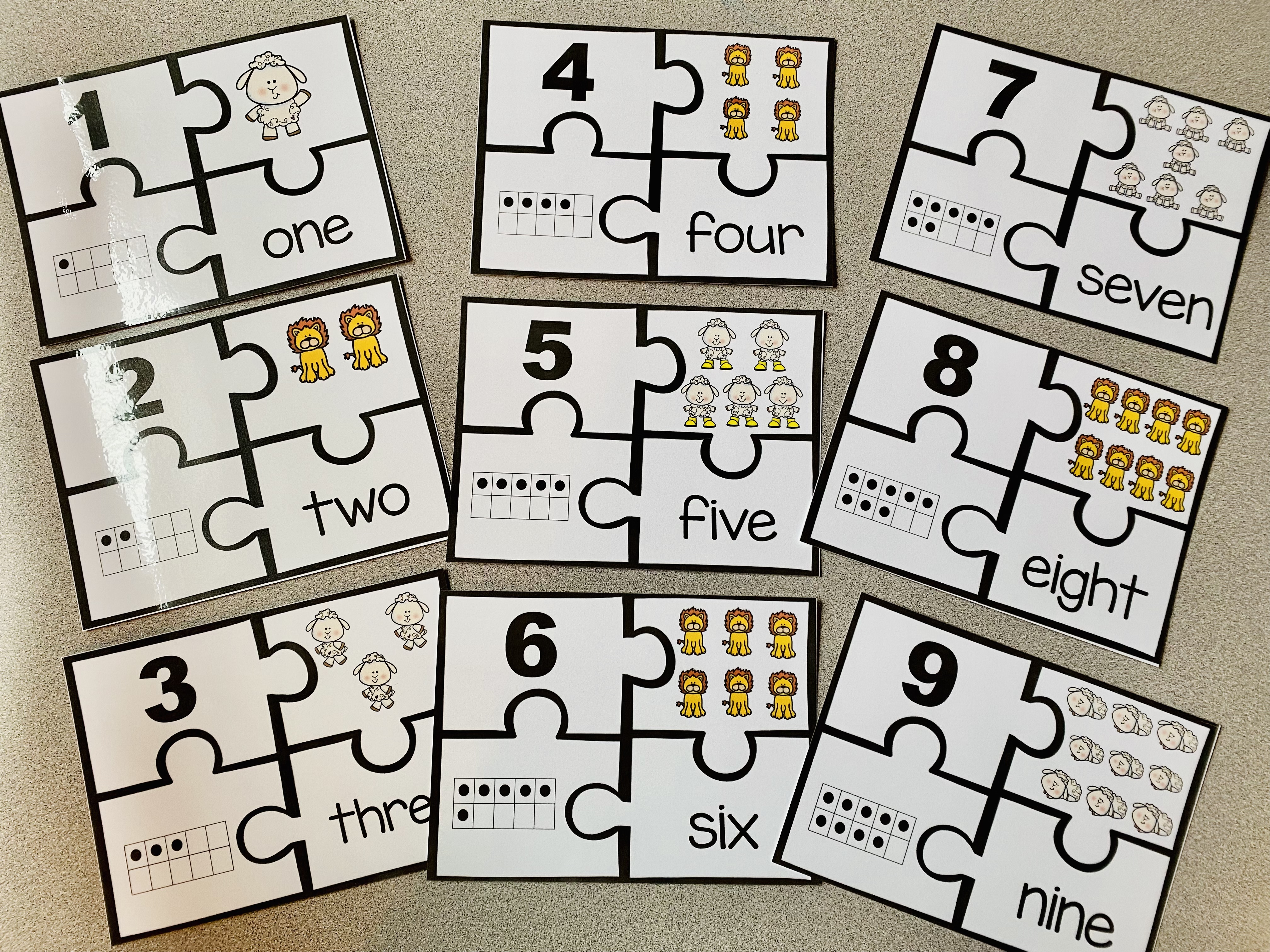
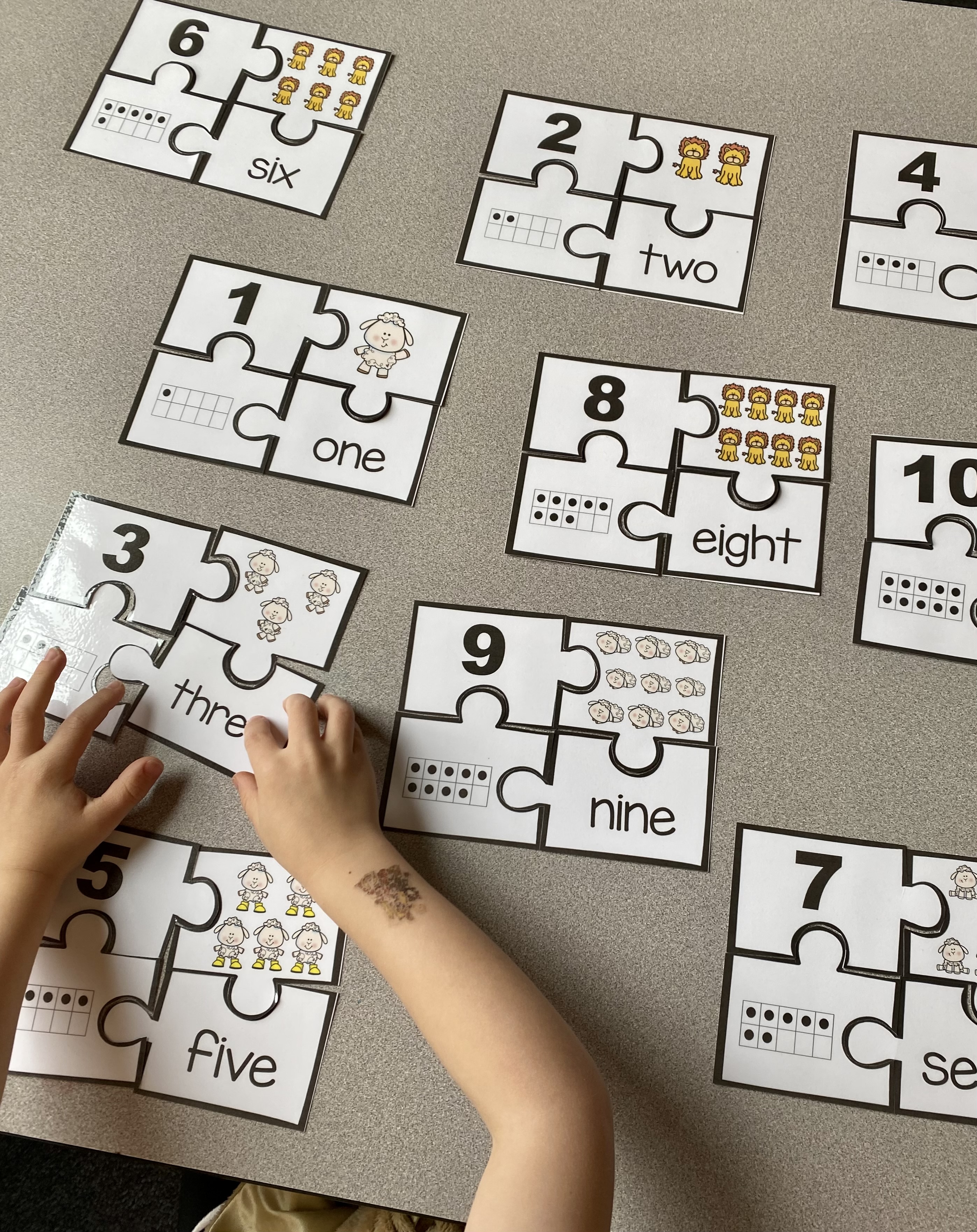
The last counting center was number puzzles. These took a little time to prepare but it was worth it! The number puzzles represent numbers 1 – 20. You can decided to use as many or as few of the puzzles as you want. Each puzzle consists of four pieces, a tens frame, a number word, the ordinal number and a quantity of lions or lambs.

I gave Emmett the choice of which counting center he wanted to do and he chose number puzzles right away. I decided to use puzzles 1 – 10 with him today because this was one of the first times he has worked with the number words so I wanted to start simple. In order to keep track of all the pieces, we mixed them up and put them face down in a pile at the end of the table. Then we took turns drawing a card. Once the number was determined, the card was either placed with an existing puzzle on the table or set down on its own as the beginning of a new puzzle. We took turns until all the puzzles were complete.

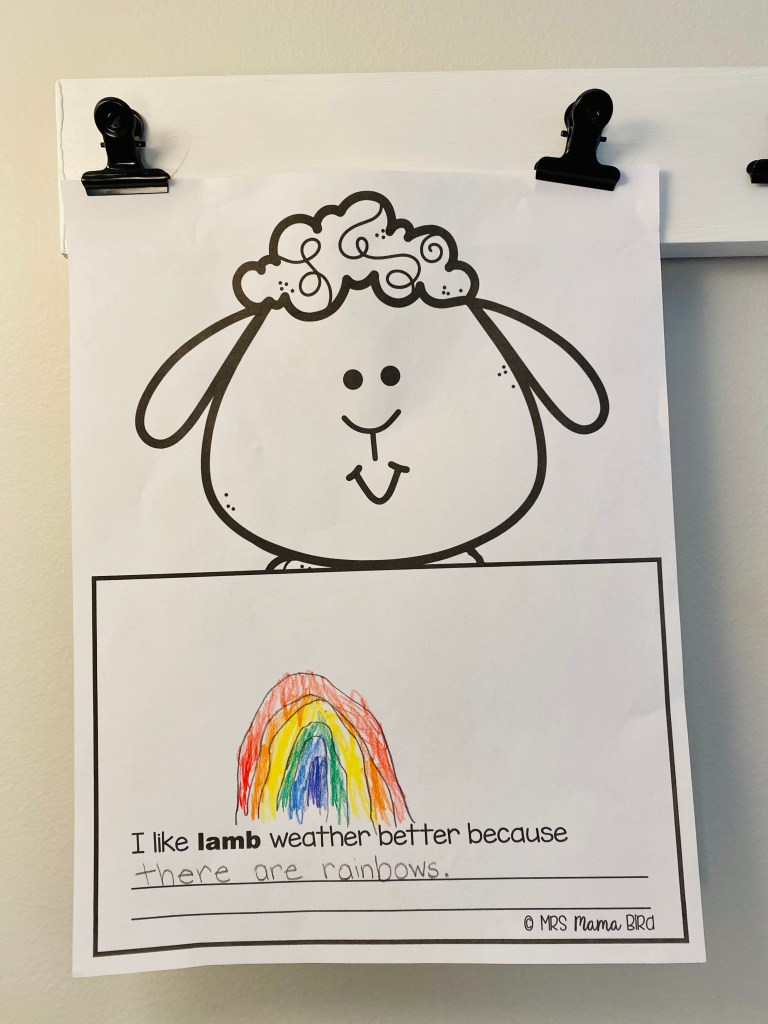
At the end of our Lion and Lamb day, we reviewed the characteristics of Lion and Lamb weather. I asked Emmett our question of the day, “Which do you prefer, lion weather or lamb weather?” He surprised me by answering lamb weather!

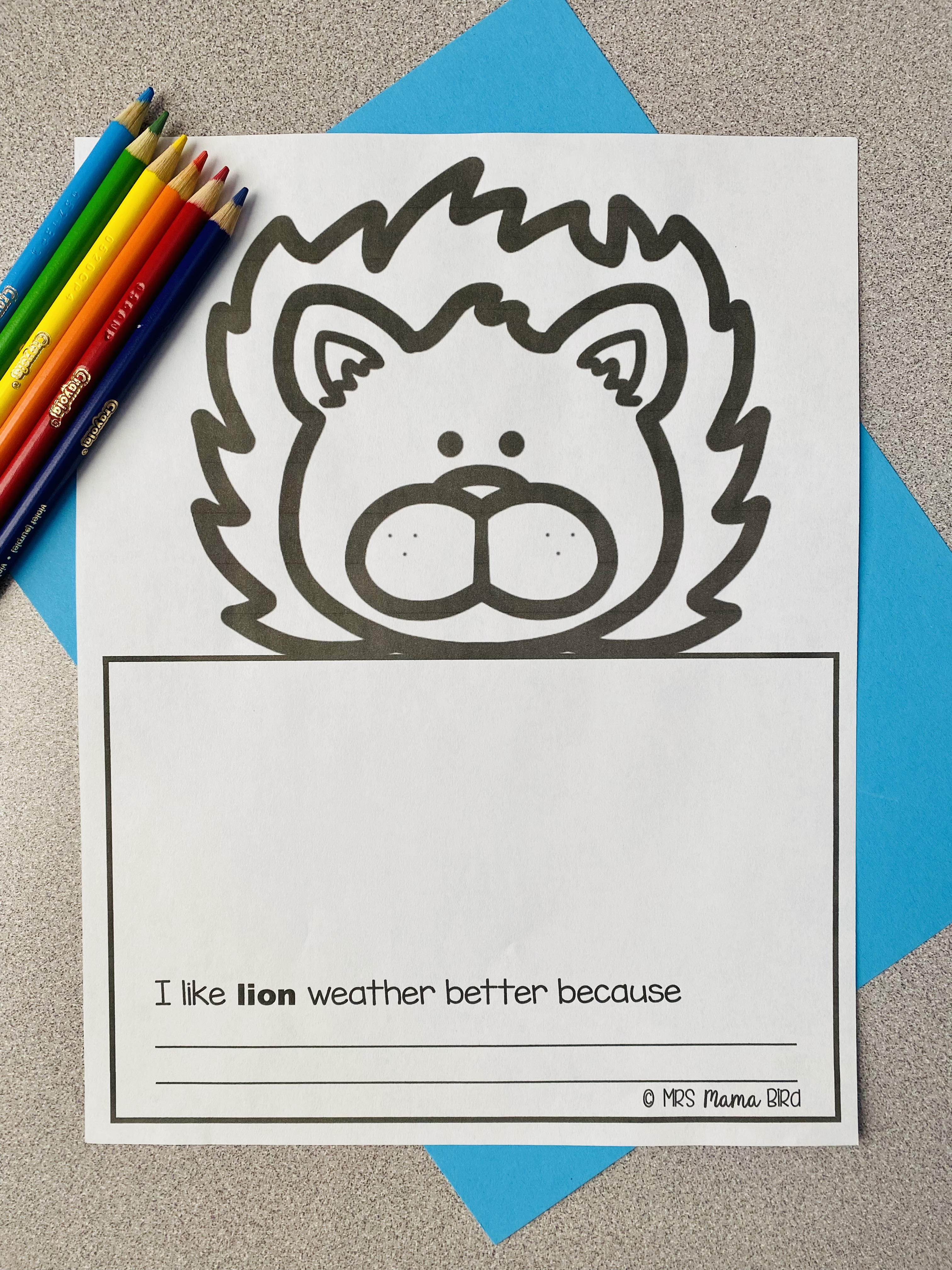
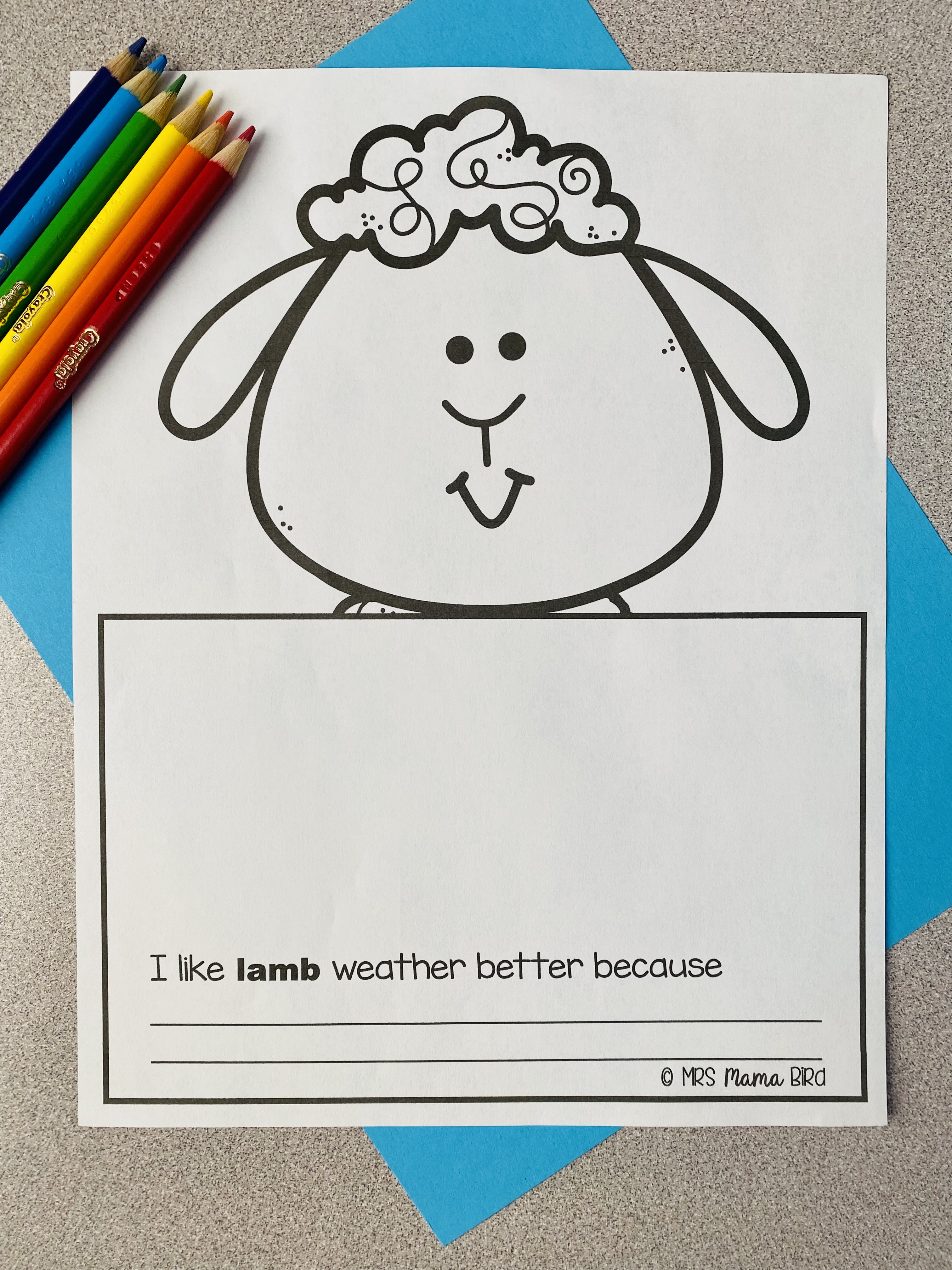
I designed these quick Draw & Write activities for preschoolers to show their preferences. There is space to draw something that represents lion weather or lamb weather. Then the student or teacher can fill in the sentence, “I like ____ weather because _____.”

Emmett was so proud of his work, he hung it up with our other artwork on his own while I was putting his sister down for a nap. He said he used the rainbow picture from the weather sort to remember all the colors!

If you would like to use these fun Lion and Lamb activities with your preschoolers, grab them by clicking the icons below!

Let’s connect! If you don’t want to miss out on my latest ideas for early learning, be sure to click the social icons at the top of this page to follow me!

You may also be interested in…

Christmas, Counting, phonemic awareness, Winter

Gingerbread Activities for Preschool *FREE Printable*

December is here!! I am so excited to share what Emmett, Lillian and I have been up to!! I put together a few gingerbread activities for preschool, including a FUN counting FREEBIE. Take a look!

There are SO many good gingerbread books out there for preschoolers, it is hard to choose. I will say, this selection of Jan Brett books is what I have in my collection and we focused especially on the Gingerbread Baby. There are many more on my wish list!!

I set up a little STEM challenge for Emmett immediately following the story, Gingerbread Baby. These are Picasso Tiles and a little gingerbread felt ornament that I got from Target a few years ago. I challenged him to create his own house for the Gingerbread Baby and he got right to work.

One thing I love about teaching preschoolers is watching their thinking process. Emmett immediately made a standard house with a roof, added a chimney and called it a day. Then he realized he wanted a “working” chimney.

He took his original roof and chimney apart and redesigned it so that it actually had a pathway into his Gingerbread house. Then he collected some small toys to test it out. He was so proud of himself!

I’m happy to share the table tent STEM station signs with you. To download a copy, press the button below. Simply print a fold in half for a little table tent!

Next, he headed straight for the sensory bin! Everything that I used in this bin I already had stashed in the house from other activities. This one is dry pinto beans, large buttons, gingerbread themed foam stickers (Michael’s), sparkly Christmas balls, and various bowls and utensils.

Lillian loved this bin. She had a great time collecting similar items in the containers. I’m still finding those sparkly balls around the house!

While Lillian was busy with the sensory bin, Emmett and I practiced counting syllables. He is just starting to develop his phonemic awareness, so we did this activity together.

I designed the gingerbread cookie picture cards so that 6 would belong in each category, 1 syllable, 2 syllables or 3 syllables. But Emmett made a couple of the cards up for discussion. For example, he called the “tree” a “Christmas tree” and put it with the three syllable words instead of the one syllable words. We also talked about whether we wanted to call the gift a gift or a present. Emmett decided it was a gift and put it with the one syllable words.

If you’d like to use this Gingerbread Syllable Sort with your preschoolers, you can find it in my shop by clicking the image below.

After syllables, we practiced counting gum drops on these adorable gingerbread cards. The picture cards depict numbers 1 – 20 and there are three versions of the recording sheets, 1 – 10, 11 – 20, and 1 – 20.

We spread the cards out face down on the table to make a draw pile but you can also put them in a sensory bin for the kids to pull from. I gave Emmett gum drops to manipulate in the tens frame to represent each number he found. He was very particular about wanting to use only green and red gum drops like in the picture which was so funny. If you’re not interested in using the tens frame portion of this activity, you can hang the cards around the room and have your preschoolers search for all the numbers, tracing them as they find them.

If you’d like to use the Gingerbread House Counting Activity with your preschoolers, you can find it in my shop by clicking the image below!

The last gingerbread activity I want to share with you is a FREE counting activity that you can play with or without dice, depending on your preschooler’s readiness. If you choose to play with dice, have your preschooler roll the dice for each type of candy at the bottom of the page. After each turn, use that amount of candy on the gingerbread house. If you want to give your preschooler a little bit more independence, let them decorate the gingerbread house however they like, then count the number of each candy that they used.

Emmett chose to play with dice this round, which was perfect for him. He had so much fun with this one! If you’d like to download this activity for your preschooler, you can find it in my shop for FREE. Just click the image below.

That wraps up my list of preschool gingerbread activities for you!! I hope you are able to find some fun inspiration for your preschool classroom or homeschool. Please feel free to share your experience. I love you hear from you! @mrsmamabird #learnwithmrsmamabird

If you don’t want to miss out on the latest FREEBIES, follow me on Instagram, Facebook and Pinterest by clicking the images at the top of the page. Thank you!!!

Counting, Fall, Halloween

Halloween Counting Activities for Preschool and Kindergarten *FREEBIE*

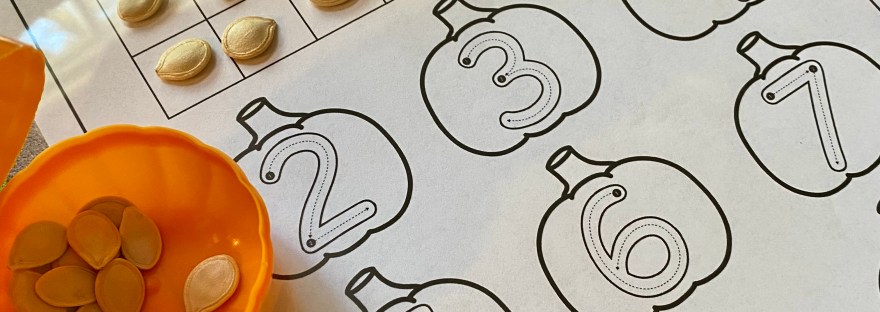
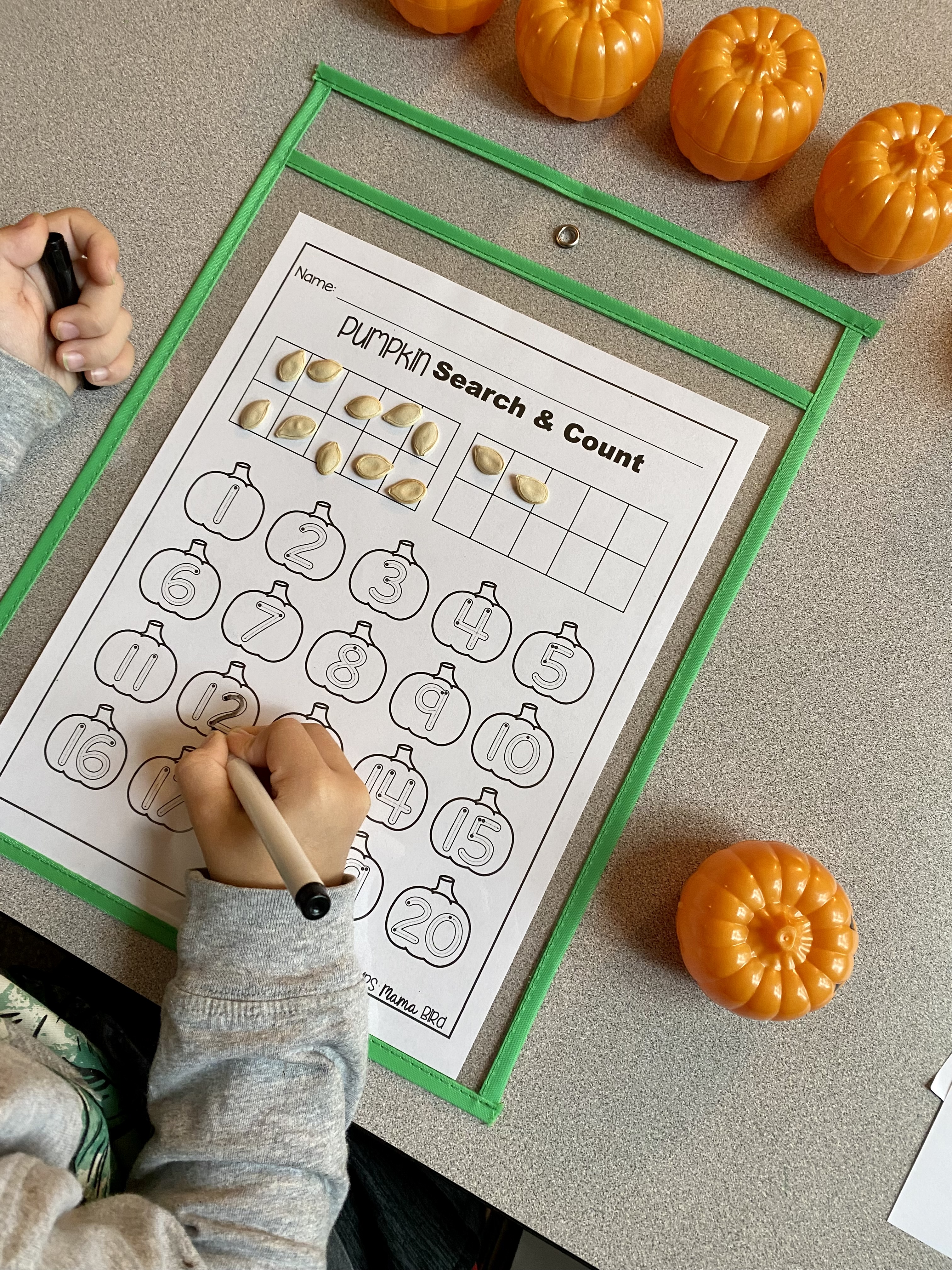
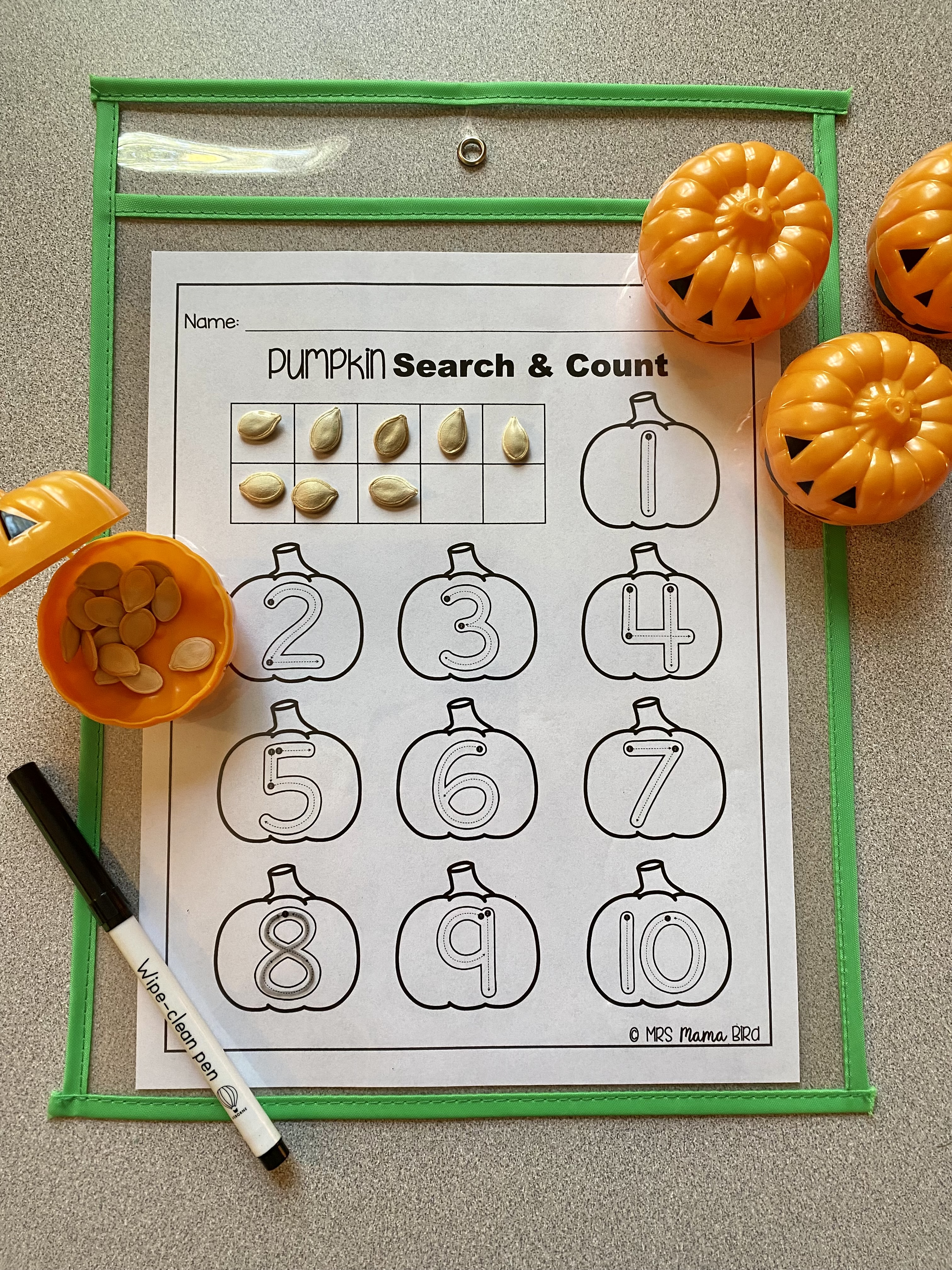
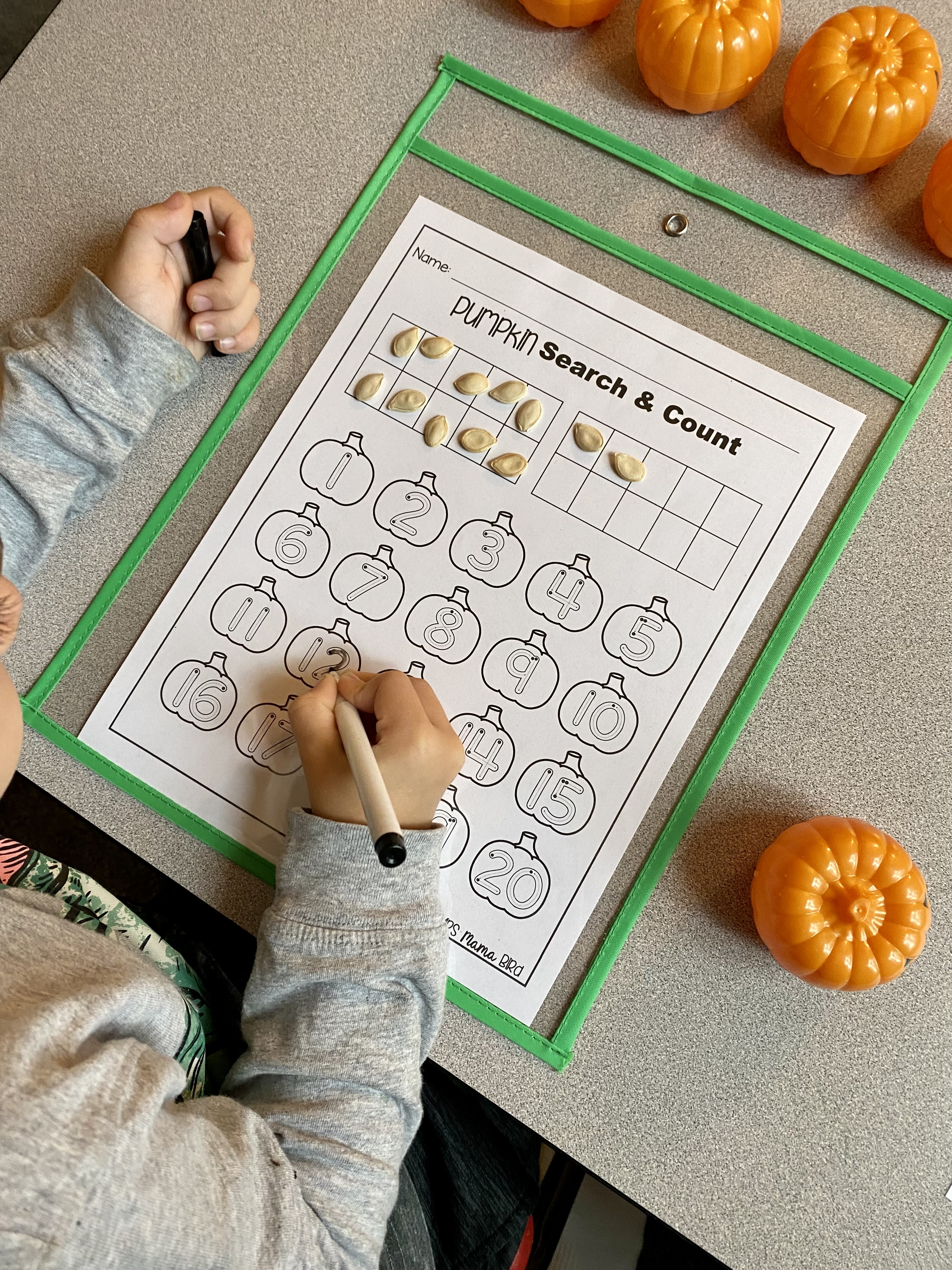
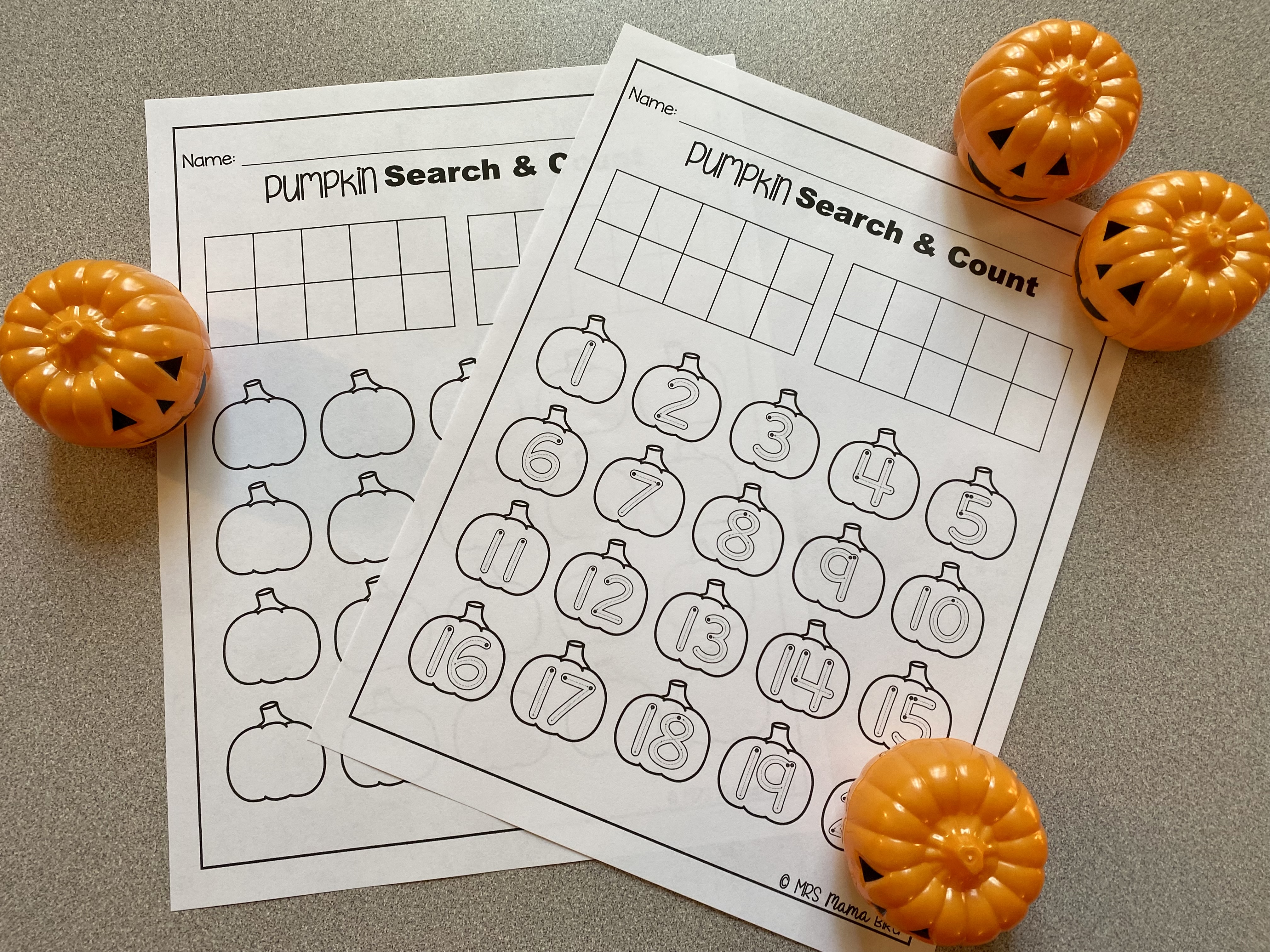
Looking for a counting activity for fall or Halloween?? Stop here! After our pumpkin investigation last week, I washed and dried all the pumpkin seeds with the intention of making this counting game. I formatted the pumpkins with traceable numbers, got it all set up, and decided I didn’t like it!! So, I got back on my computer, tweaked the recording sheet a bit, and got it ready for you as fast as I could.

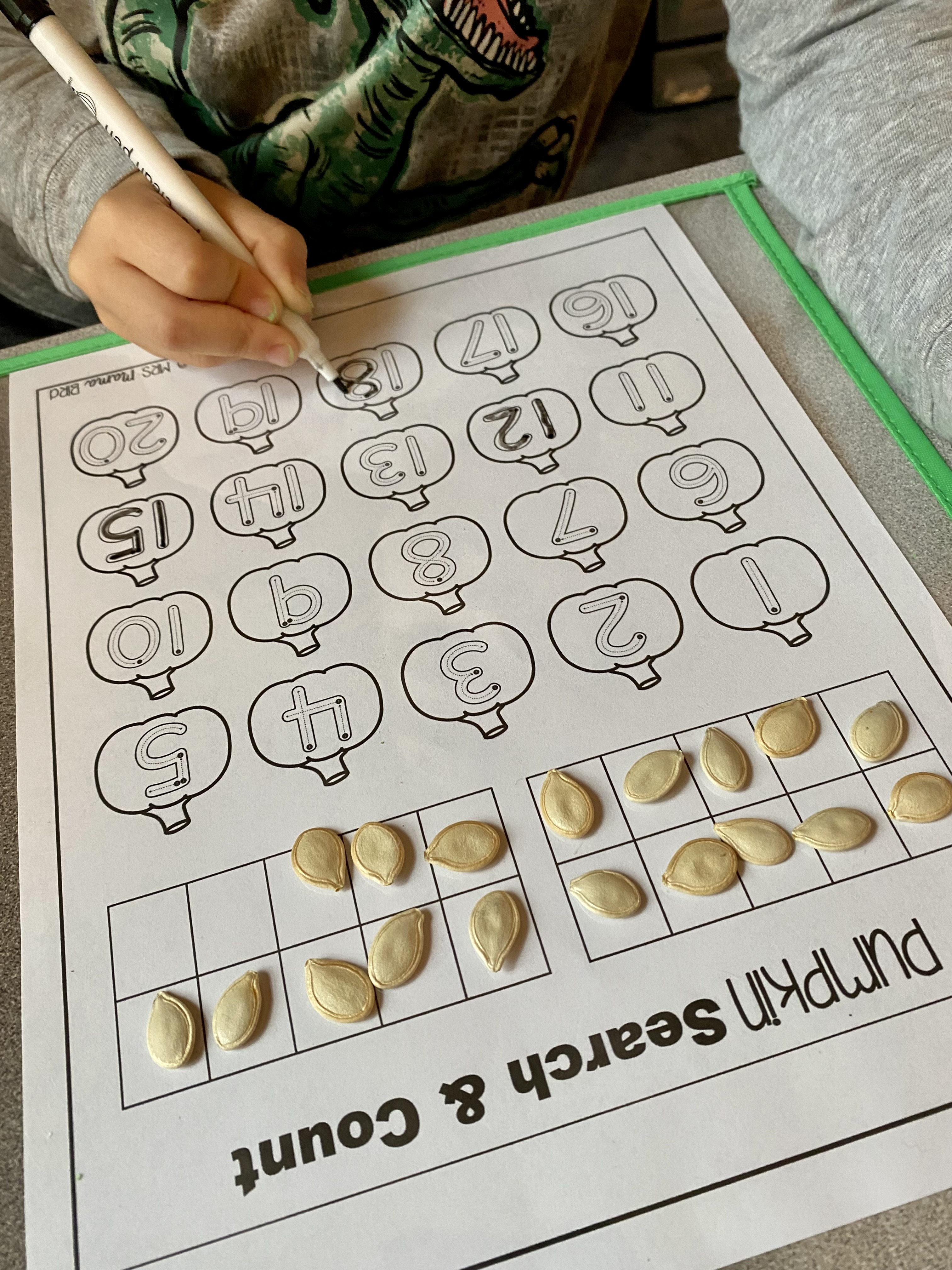
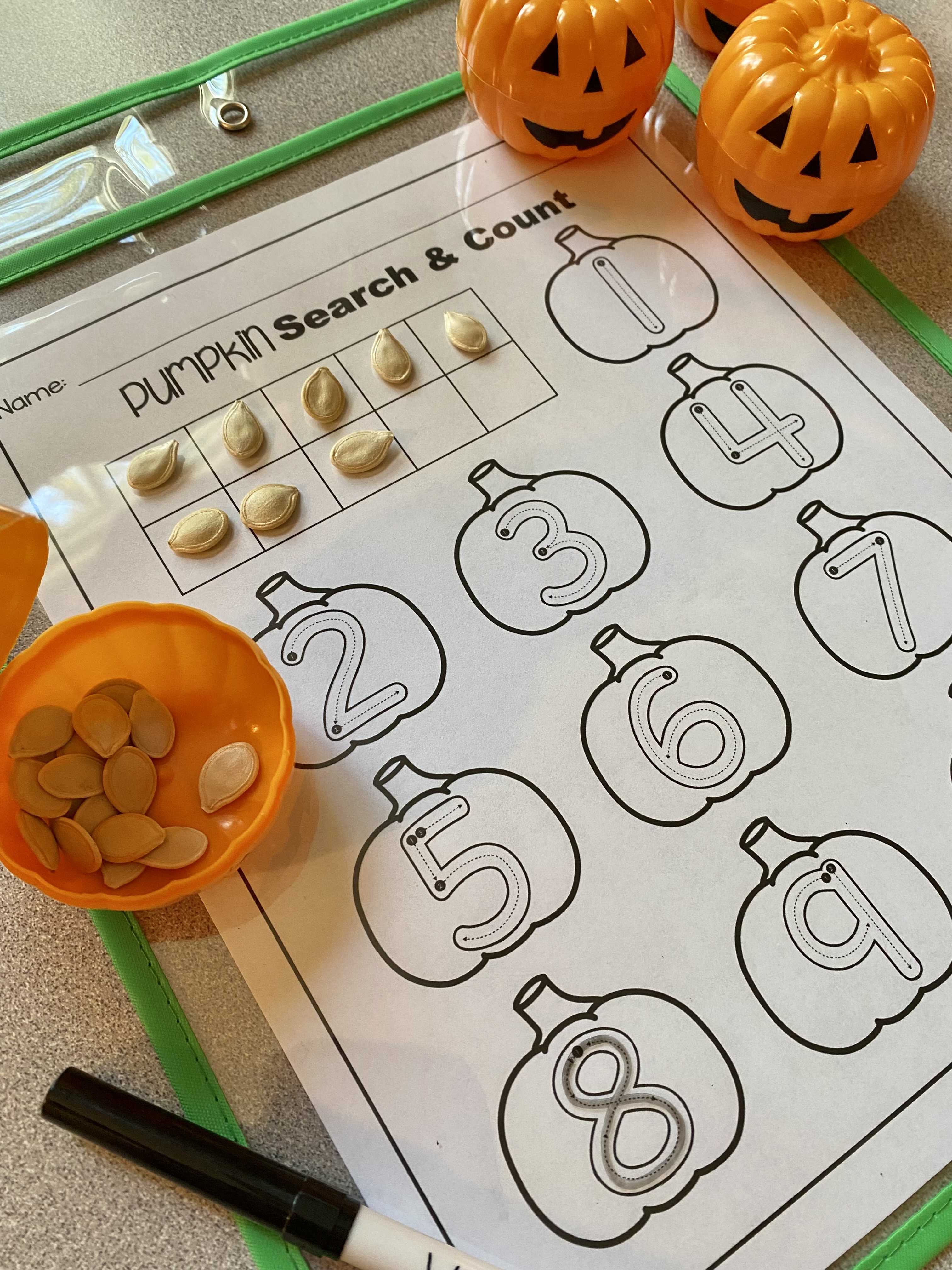
Now the recording sheet includes a tens frame so that kids can keep their pumpkin seeds organized as they count. This helped my now five year old, Emmett, so much. I slipped the recording sheet into a wipe clean sleeve, but you can print and copy if you prefer. I counted out pumpkin seeds ahead of time and put them in these adorable plastic jack-o-lanterns from Target. You could also use orange Easter eggs or even plastic bags to hold your manipulatives.

I chose to give Emmett the 1 – 20 version of the game. He was able to lay the seeds out in the tens frames correctly. He even was able to recognize that when the seeds filled up one tens frame, he could count up from ten to find out the total count. This could be extended into introducing the concept that teen numbers are always equal to 10 plus a number. We didn’t go there this time, but maybe next time!

I designed three different variations of the counting game for you. The first one is 1 – 10, the second one is 11 – 20 and the third one is 1 – 20. Each variation comes with traceable numbers in the pumpkins or blank pumpkins. This allows you to decide if you want your preschoolers or kindergarteners to compose the numbers on their own or with guidance. You can download the file by clicking on the button below.

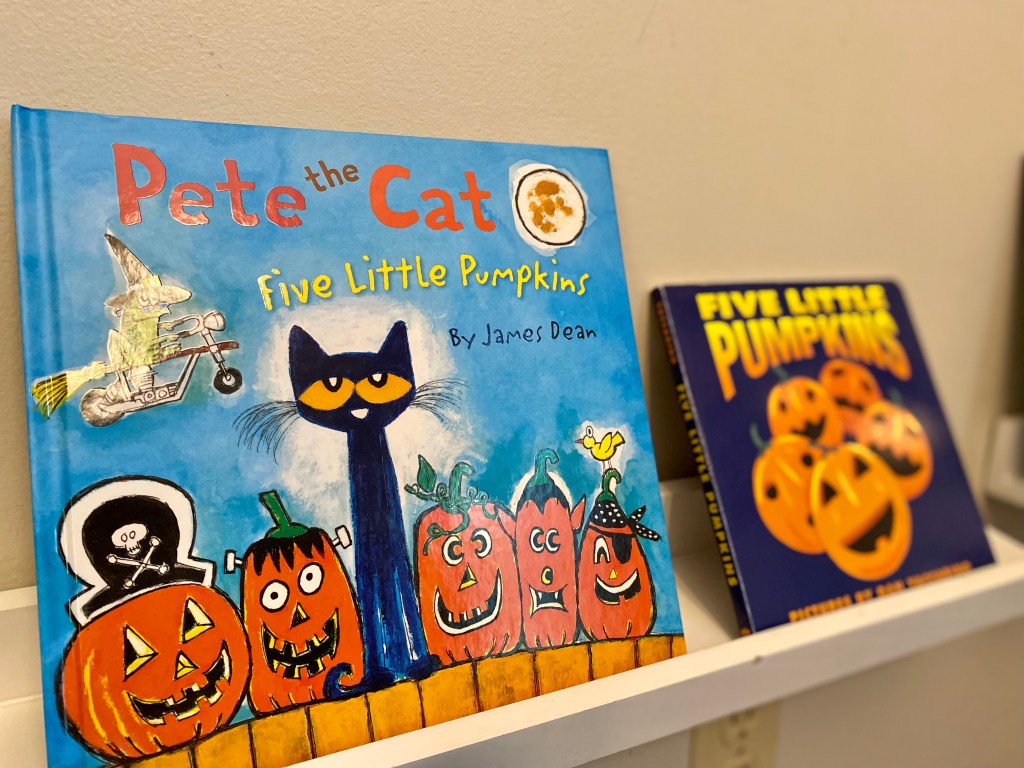
If you’re interested in pairing this activity with a book, Five Little Pumpkins is an obvious choice. Emmett loves Pete the Cat so he chose that version to read.

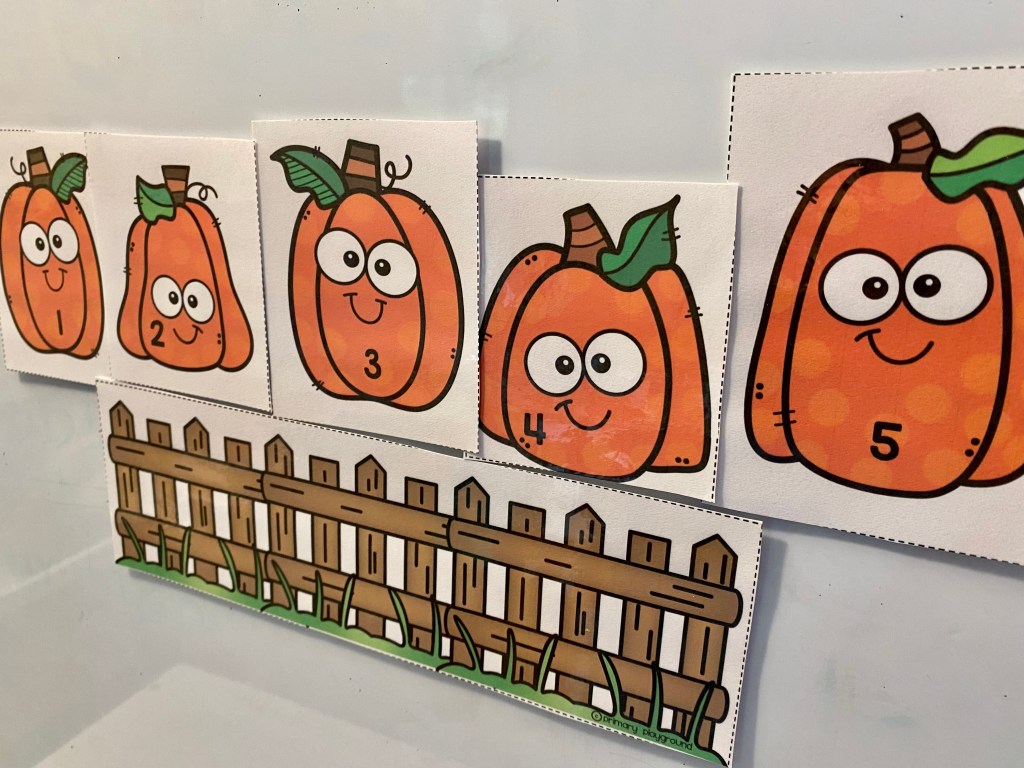
Of course, I wanted storyboard elements to go along with the rhyme, so I scoured the internet for a resource that matched what I had in mind. Luckily, I found another talented educator that had already created exactly what I was looking for. AND she was offering it for free on her blog, Primary Playground. Perfect!

You can snag your own set HERE. There’s also a color and cut activity available too if you’re interested!

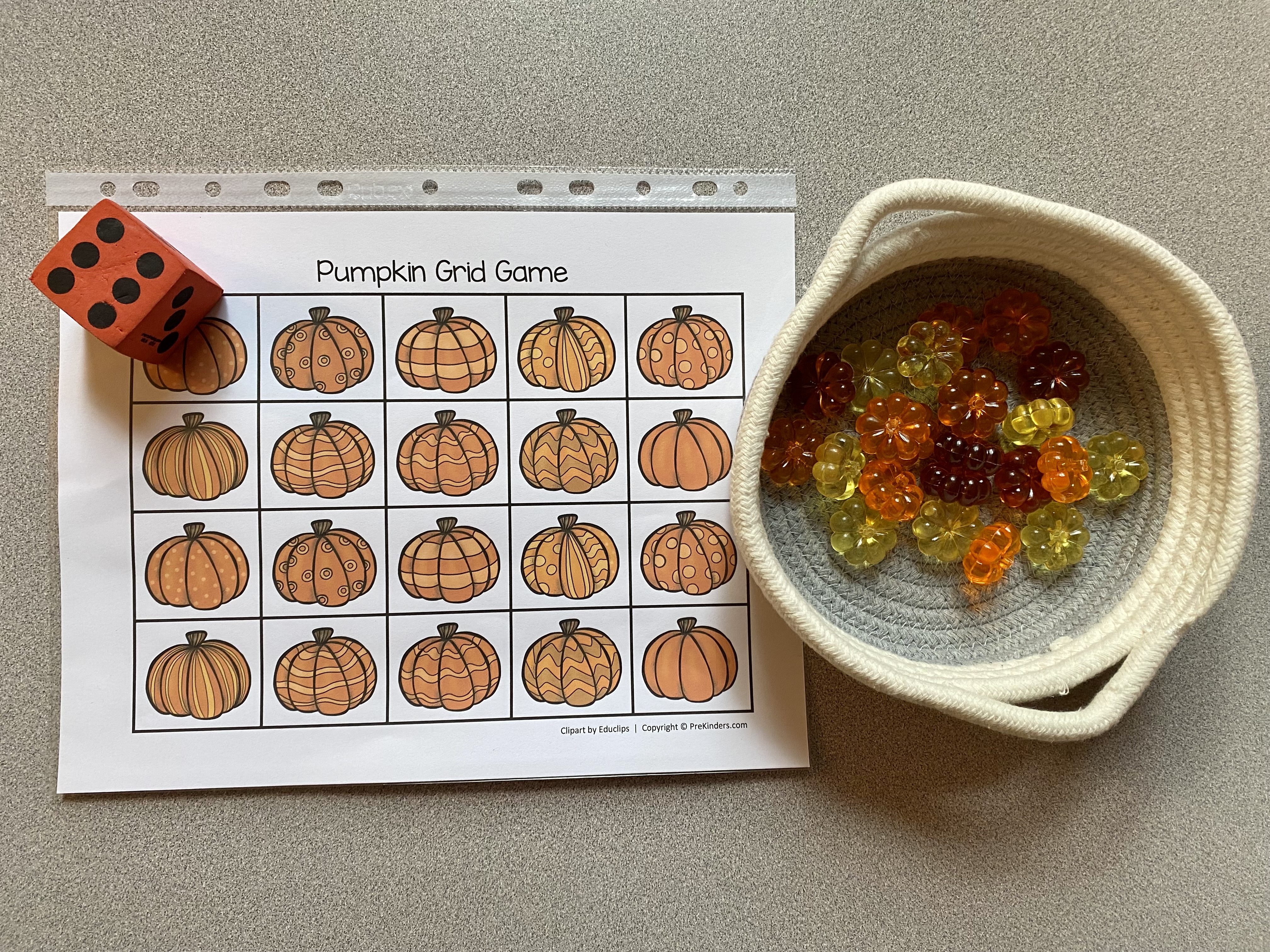
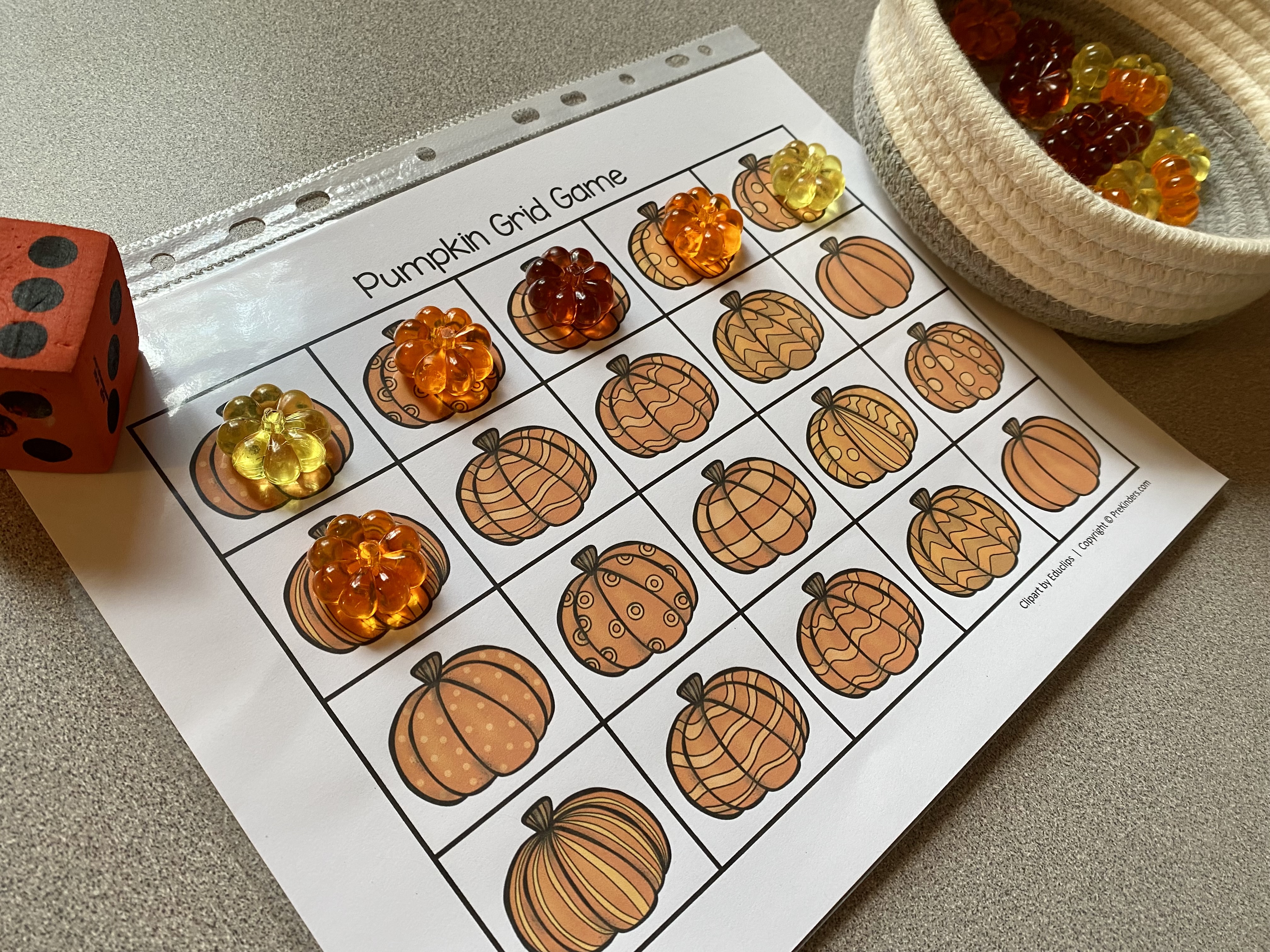
I used this Grid Game to reinforce Emmett’s counting skills. He was able to do this independently while I worked with his older brother for a little while. This came from Prekinders and you can find it HERE. This is a website I often go to first when I am planning a new theme or skill. I love Karen’s style!

I hope your preschoolers and kindergarteners enjoy counting with the help of these fun activities! If you decide to share on Instagram, don’t forget to tag me @mrsmamabird and include my hashtag #learnwithmrsmamabird. Thank you!!

You May Also Like