Alphabet, Book Companion, Counting, phonemic awareness, Spring

Red Rubber Boot Day Activities for Preschool

Before April comes to an end, I want to share a huge set of rainy day themed activities that I created to compliment the book Red Rubber Boot Day, By Mary Lyn Ray. All the activities in this post have a red rubber boot and puddle theme like the story, but they all compliment a rainy day theme, weather theme, letter r theme or letter b theme as well. Below you will find literacy and math activities to enhance letter recognition, beginning sound recognition, rhyming, syllable identification, writing skills, number recognition, counting, and subitizing.

First, let’s talk about the book! At the center of the story is a child who is trying to decide how to entertain himself on a rainy day. The book uses lots of sensory language to describe the rain- how it smells and how it feels on your bare feet. The child goes through lots of imaginative play during the rainstorm until the weather breaks and he can go splash in all the puddles.

Because the story is so relatable, I decided to start with a question of the day: Do you like rainy days? You can display this header on a vertical surface or pocket chart, then provide cards or sticky notes with your students’ names on them. Students can place their card under the answer that describes their own feelings. Either yes, they do like rainy days or no, they do not. I’ve also seen this done with popsicle sticks in two different jars. I would challenge you to revisit the question of the day before and after reading the story to see if anyone changes their mind.

The next activity in the set is a Rainy Day and Sunny Day Picture Card Sort. Each picture card represents a fun activity that kids like to do. You can challenge your students to determine if each activity is best for a rainy day or a sunny day and why. Some of the activities have an obvious answer and others might be up for discussion. Several of the activities are showcased in the book, including playing cars, reading, building with blocks, and making a cave in the closet.

A great way to develop phonemic awareness is to practice identifying syllables in given words. In this activities set, I designed a syllable card sort using picture cards to represent 1, 2, or 3 syllable units. The pictures on the picture cards are all spring related with a red rubber boot theme. They can be sorted onto the puddle card with the corresponding number of syllables.

Another great way to develop phonemic awareness is with rhyming activities! Here is a red rubber boot themed rhyming activity to help do just that. Each puzzle is red boot themed and self-correcting, they will only connect one certain way. Students who aren’t sure about a match can check the pattern on the puzzle to find out if they got a rhyming match or need to try again.

If your students are ready to practice matching beginning sounds, this literacy center is perfect! I created 26 puddle themed beginning sound picture cards, 26 red rubber boot themed uppercase cards, 26 red rubber boot themed lowercase cards, and 26 red rubber boot themed sound cards for this matching center.

I do think that centers with this many loose cards can become really cumbersome for little learners, especially preschoolers. When I do matching games like this with my kids, I select the letters that I want them to practice ahead of time. I usually don’t choose more than 10 – 12, depending on the learner. In this matching game, I lay out all the puddle cards on the table in front of them. Then I gather all the corresponding matches, shuffle them and put them together in a draw pile. When presented this way, it becomes more of a cooperative game. Preschoolers can take turns drawing a card and placing it on the correct puddle. They work together to complete all the matches.

If your preschoolers are still working on identifying and writing letters, you can simply use the uppercase and/or lowercase boot cards in a couple different ways. You can select 10 – 12 letter matches and make a concentration game. Or you can put the letters in a draw pile and give your preschoolers the Red Rubber Boot Alphabet Build and Write Mat. With this activity, preschoolers can draw an alphabet card, build it with a given manipulative, then practice writing it at the bottom. In the example, I used blue flat marbles, but pipe cleaners, beads, buttons, playdough, and wiki stix work well too!

Another way to practice letter identification is with the Raindrop Alphabet Cover Up Mat. I LOVE these cover up activities because they are so versatile. You can choose to match uppercase to uppercase letters, lowercase to lowercase letters, lowercase to uppercase letters, beginning sounds to uppercase letters, or beginning sounds to lowercase letters. You can set up the activity according to your preschoolers needs. They also work well as an independent center, partner activity or group activity. Of course the cards work just fine in a draw pile, but you can make the game extra engaging by setting the cards up in a sensory bin for students to search in. I included blue dyed rice, blue flat marbles and cotton balls. The blue flat marbles work well to cover up the letters on the cover up mat as they are identified because they are heavy and stay in place. You can also use bingo dotters, round counters, buttons, pom poms, whatever you have!

I love to sneak in some low pressure writing practice whenever I can for preschoolers to practice pencil grip and letter formation. If your preschoolers are ready to practice writing letters, you can use the Red Rubber Book Flip and Write with any set of letter cards (uppercase or lowercase). Simply make a pile of the letters you’d like your preschooler to practice and have them flip the pile one at a time. After flipping each card, have your preschooler write that letter in an empty box on the recording sheet. Keep flipping until each box is filled or the card pile runs out. You can use this same recording sheet with the number cards too!

The last literacy activities I want to highlight are the Red Rubber Boot Cut & Paste Printables. I like to include printables in my resource packs to compliment the centers. These are good assessment tools that help you gauge what a preschooler can do independently after practicing the same skills with you or a friend. All three of these printables have students cut out the boot cards at the bottom and glue them to the corresponding puddles at the top.

Now let’s talk about math centers! This resource pack includes several number cards that can be used lots of different ways. There are 20 puddle themed number cards, 20 red rubber boot themed number cards, 20 red rubber boot themed tens frame cards, and 12 red rubber boot themed dice cards.

Similar to the letter and sound matching game above, you can use the number cards to create a number matching game. Each puddle number card can correspond to a number boot card, a tens frame boot card and a dice boot card (up to 12). Select the numbers you’d like your preschoolers to practice and set up your matching game just like the game above.

I love incorporating tens frame activities into any number practice for preschoolers. They are great for building number sense, one to one correspondence, and help prepare your preschooler for subitizing. You can use the red rubber boot themed number cards to practice numbers 1 – 10 or 1 – 20 on the tens frames. Again, I used blue flat marbles in the example (I think they make perfect rain drops!), but you can use anything you have on hand- buttons, counters, playdough balls, anything!

You can also use these tens frames with a sensory bin to hold the cards. It’s fun for preschoolers to go searching in the bin for the different cards until they’ve practiced all the numbers. You can set this up for an individual or use it in a group and take turns fetching numbers.

Speaking of sensory bins, I made Cover Up Mats for numbers too! There are two mats: numbers 1 – 12 and 1 – 20. You can use these in several ways to match numbers to numbers, numbers to dice, or tens frames to numbers. Number card draw piles work just fine too if you’re in a pinch!

Of course every book companion pack needs a write and draw response activity! I like to keep it simple and let your little learners add their own personality to it. This printable is no prep at all. It simply asks your preschooler to draw a picture of what they like to do on rainy days. Then there is space in the puddle for you or your beginning writer (if they’re ready) to write down what that fun activity is. These would make a great bulletin board! Another idea would be to take a photo of your little learner jumping in the air (as if they were jumping in a puddle), print it, cut it out, and glue it to the page.

If you are interested in any of the activities in this post, you can find them here:

You may also be interested in these resources from my shop!

You may also be interested in these blog posts!

Alphabet, Book Companion, phonemic awareness, Spring

Garden Activities for Preschool *FREE Printables*

Gardens are a perfect spring theme for preschool! In this post you will find some creative garden themed activities to get your preschoolers engaged and learning. Some of these activities include, companion activities for My Garden, by Kevin Henkes, garden alphabet games, a flower syllable game (FREE), garden number games, garden visual discrimination activities, garden sensory bin ideas, and a garden craft template (FREE).

There are so many fun children’s books to choose from when planning a garden them for preschool. My Garden, by Kevin Henkes is one of my favorite stories to use when exploring gardens and spring time because it harnesses the imagination of a child who is gardening alongside her mother.

In the story, My Garden, a child imagines the changes she would make to her mother’s garden if it could do fantastic things. For example, if she picked a flower from her garden, another would grow right back in it’s place. She imagines that the strawberries light up at night and the garden can also grow useful things like umbrellas and buttons.

The story sets the stage for preschoolers to make connections to the story and imagine their own magical gardens. I created a response activity that asks them to do exactly that- create their own gardens. The activity provides pictures from the story for students to cut and paste onto a garden background to represent what they would want their garden to look like. There are also blank squares to add their own ideas if they choose. Once students are finished arranging their gardens, they can attach the writing prompt to add a description of their garden. The writing prompt reads, “If I had a garden…”

There is also the option to cut and glue the grass and the fence onto a sheet of brown construction paper to give students more room to work. If you’re in a hurry, substitute the grass image with green construction paper that students can cut to look like grass. This activity and much more can be found in the My Garden Book Companion at the bottom of this post.

Cover up games are my absolute favorite way to practice letter and number recognition. I am excited to share these adorable garden themed cover up games for both alphabet and numbers.

I created 3 sets of literacy cards for the Garden Alphabet Cover Up games: uppercase letters, lowercase letters and beginning sound pictures.

These letter cards can be placed in a sensory bin or presented in a draw pile. I chose to use pinto beans in the sensory bin because they are brown like dirt, but a bit of rice dyed green would be really fun too!

There are 3 Literacy Cover Up Mats to choose from: uppercase letters, lowercase letters and beginning sound pictures. You can decide how you want your students to match the letters or sounds, depending on their readiness level. Preschoolers are able to match uppercase to uppercase, lowercase to lowercase, lowercase to uppercase, uppercase to lowercase, uppercase to beginning sound, lowercase to beginning sound, and beginning sound to beginning sound. When a card is pulled from the bin or pile, students can cover it’s match on the cover up mat with a dry erase marker or a counter.

If you don’t have the time (or let’s face it, the patience) to cut out all the letter cards, don’t! These cover up mats also work perfectly with 1 inch letter tiles or alphabet erasers. You can hide them in the sensory bin or inside some fun containers. I used carrot Easter eggs from Michael’s and 1 inch letter tiles in the picture. Simply have your students find the letter and place it on top of it’s match on the mat.

Of course I couldn’t take the time to make all these fun cover up mats without including numbers too. With this resource, a set of number cards 1 – 20 is also included.

You can decide if you want to practice numbers 1 – 10 or 1 – 20 and set up your Cover Up Mat accordingly.

You can play the Cover Up game the same was as the letter version, with the number cards in the sensory bin, covering up the mat as you find each number. Or you can put counters in small containers to dump and count. Then cover up the quantity of the items found. I filled the same Easter egg carrots with carrot erasers to represent each number 1 – 10.

For those of you who prefer to use the cover up mat a single time, there are black and white versions of all five mats! These are great with crayons, markers, and dot markers. Then students can keep their work!

For the preschoolers who have mastered identifying letter names, both upper and lowercase, I love activities that bring together letter name and letter sound identification. I created a garden themed alphabet game to enhance letter recognition and letter sound recognition in the same game.

The biggest cards in this game are the watering can beginning sound cards. They are the anchor cards. Choose which letters you want to practice (I like to stick with 12 or less at a time) and lay the watering cans out on the surface in front of you.

The matching cards include the Seed Packet Uppercase Letter Cards, the Spade Lowercase Letter Cards and the Flower Pot Beginning Sound Picture Cards. Again, take out the cards that correspond with the letters you want your preschoolers to practice. These cards are the same size so they can be shuffled together and placed face down in a draw pile.

Have your preschoolers take turns drawing a card and placing it on the correct watering can. The object of the game is to work together to build all the matches. Each watering can has an uppercase letter, lowercase letter and beginning sound picture that will correspond with it.

At the end of the game, your preschoolers can show what they know with these garden themed letter and sound match printables. You can find the link for all the Garden Letter and Sound Match materials at the bottom of this post.

Another fun garden themed activity is the Build a Flower Syllable Sort, which is FREE in my TpT Shop. Practicing syllables is an excellent way for your preschooler to build phonemic awareness and prepare them for kindergarten.

This activity includes 15 spring picture flower petals and 3 flower stems. Each flower stems represents a number of syllables in the word: one, two, or three. Preschoolers can take turns picking a flower petal and placing it on the correct flower stem based on the number of syllables in the picture.

Preschoolers can work together to build all three flowers then practice counting syllables on their own with the printable syllable counting worksheet. You can find the link to this FREEBIE at the bottom of this post.

Sensory bins are an absolute FAVORITE in my house, so I can’t start a new theme of stories and activities without switching out the items in our sensory bins. Truth be told, I actually really enjoy curating little items to put inside these bins for my kids to explore. Since I’ve been making these for several years, I store and reuse all my fillers.

This garden sensory bin features a mini gardening tool kit that I spotted a the Target dollar spot, faux flowers from dollar tree, and a small decorative bird and nest from Michaels. My daughter loved filling the flower pot with pinto beans and placing the flowers in it. I will definitely add more flower pots next time I put this bin together.

Another oldie-but-goodie preschool activity is always play doh trays. When you mix play doh, play doh tools, and several loose parts items together, it gives preschoolers such a strong invitation to create. Don’t you love the yellow tulip with pink leaves?? Have all your preschoolers work together to build a whole garden!

Finally, no preschool theme is complete without a good craft to top it off. I created a FREE watering can template for you to design a flower bouquet inside of. The preschool activity is very open ended- you can decide the medium for the watering can, stem, flower petals and leaves based on whatever you have on hand. I decided to color the watering can with my daughter in crayons, then cut it out and glue it to a new piece of paper. Then we used markers to draw flower stems and added flower centers and petals with our fingerprints and tempera paint. At the end, we drew leaves on the stems with markers again. I love this craft because it can be trimmed to fit an 8 x 10 frame or the watering can can be cut out and glued to an 8 x 10 canvas, making a perfect gift! If you’re interested in downloading this activity, you can find the link below.

I hope this post provided you with some inspiration as you plan some fun garden and spring activities for your preschoolers. As always, I thoroughly enjoyed creating these engaging resources for you through the help of my curious preschooler, Lillian.

Below you can find the links to all the activities mentioned throughout the post and more.

You may also be interested in these posts from the Mrs Mama Bird blog…

phonemic awareness, Winter

Mitten Rhyme Match for Preschoolers *FREE Printable*

My preschooler loves matching games. So I like to play off of that passion whenever possible, especially when it comes to fostering phonemic awareness skills.

I created this Mitten Rhyme Match game to complement our winter themed activities in January. The matching game includes 8 pairs of colorful mittens. Each mitten depicts a familiar picture with high quality clip art.

Preschoolers can look at each picture, say the name out loud and match the mittens according to their rhymes.

If you are short on time, this matching game can be cut into rectangular cards with the paper cutter and used as a typical matching concentration game. I decided to cut the game into the shape of the mitten and set up a “clothesline” for my preschooler to hang his matches on. He LOVED this!

Our “clothesline” was just a string tied under the canopy of our Melissa and Doug grocery store. You can set a clothesline up just about anywhere. It doesn’t have to be fancy!

Emmett was very proud of his finished product and asked to leave the “clothesline” up so he could do it again later. Of course I said yes!

You can grab your copy of this Mitten Rhyme Match for FREE by clicking the image below. As always, thank you for looking!!
You may also be interested in…

Christmas, Counting, phonemic awareness, Winter

Gingerbread Activities for Preschool *FREE Printable*

December is here!! I am so excited to share what Emmett, Lillian and I have been up to!! I put together a few gingerbread activities for preschool, including a FUN counting FREEBIE. Take a look!

There are SO many good gingerbread books out there for preschoolers, it is hard to choose. I will say, this selection of Jan Brett books is what I have in my collection and we focused especially on the Gingerbread Baby. There are many more on my wish list!!

I set up a little STEM challenge for Emmett immediately following the story, Gingerbread Baby. These are Picasso Tiles and a little gingerbread felt ornament that I got from Target a few years ago. I challenged him to create his own house for the Gingerbread Baby and he got right to work.

One thing I love about teaching preschoolers is watching their thinking process. Emmett immediately made a standard house with a roof, added a chimney and called it a day. Then he realized he wanted a “working” chimney.

He took his original roof and chimney apart and redesigned it so that it actually had a pathway into his Gingerbread house. Then he collected some small toys to test it out. He was so proud of himself!

I’m happy to share the table tent STEM station signs with you. To download a copy, press the button below. Simply print a fold in half for a little table tent!

Next, he headed straight for the sensory bin! Everything that I used in this bin I already had stashed in the house from other activities. This one is dry pinto beans, large buttons, gingerbread themed foam stickers (Michael’s), sparkly Christmas balls, and various bowls and utensils.

Lillian loved this bin. She had a great time collecting similar items in the containers. I’m still finding those sparkly balls around the house!

While Lillian was busy with the sensory bin, Emmett and I practiced counting syllables. He is just starting to develop his phonemic awareness, so we did this activity together.

I designed the gingerbread cookie picture cards so that 6 would belong in each category, 1 syllable, 2 syllables or 3 syllables. But Emmett made a couple of the cards up for discussion. For example, he called the “tree” a “Christmas tree” and put it with the three syllable words instead of the one syllable words. We also talked about whether we wanted to call the gift a gift or a present. Emmett decided it was a gift and put it with the one syllable words.

If you’d like to use this Gingerbread Syllable Sort with your preschoolers, you can find it in my shop by clicking the image below.

After syllables, we practiced counting gum drops on these adorable gingerbread cards. The picture cards depict numbers 1 – 20 and there are three versions of the recording sheets, 1 – 10, 11 – 20, and 1 – 20.

We spread the cards out face down on the table to make a draw pile but you can also put them in a sensory bin for the kids to pull from. I gave Emmett gum drops to manipulate in the tens frame to represent each number he found. He was very particular about wanting to use only green and red gum drops like in the picture which was so funny. If you’re not interested in using the tens frame portion of this activity, you can hang the cards around the room and have your preschoolers search for all the numbers, tracing them as they find them.

If you’d like to use the Gingerbread House Counting Activity with your preschoolers, you can find it in my shop by clicking the image below!

The last gingerbread activity I want to share with you is a FREE counting activity that you can play with or without dice, depending on your preschooler’s readiness. If you choose to play with dice, have your preschooler roll the dice for each type of candy at the bottom of the page. After each turn, use that amount of candy on the gingerbread house. If you want to give your preschooler a little bit more independence, let them decorate the gingerbread house however they like, then count the number of each candy that they used.

Emmett chose to play with dice this round, which was perfect for him. He had so much fun with this one! If you’d like to download this activity for your preschooler, you can find it in my shop for FREE. Just click the image below.

That wraps up my list of preschool gingerbread activities for you!! I hope you are able to find some fun inspiration for your preschool classroom or homeschool. Please feel free to share your experience. I love you hear from you! @mrsmamabird #learnwithmrsmamabird

If you don’t want to miss out on the latest FREEBIES, follow me on Instagram, Facebook and Pinterest by clicking the images at the top of the page. Thank you!!!

Fine Motor Skills, phonemic awareness, Thanksgiving

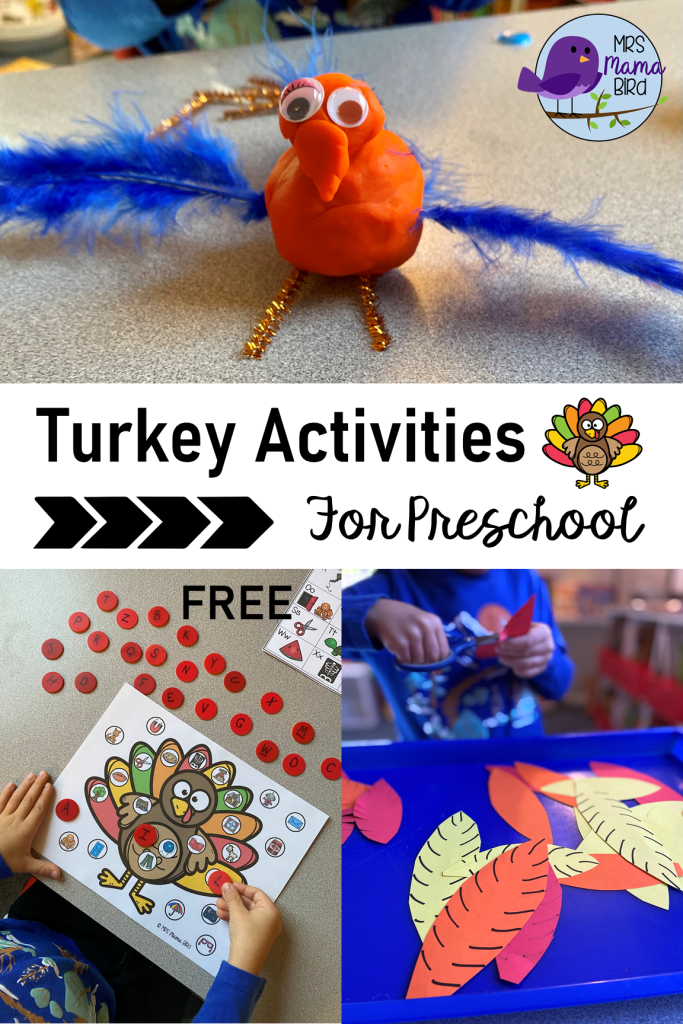
Turkey Activities for Preschool *Free Printable*

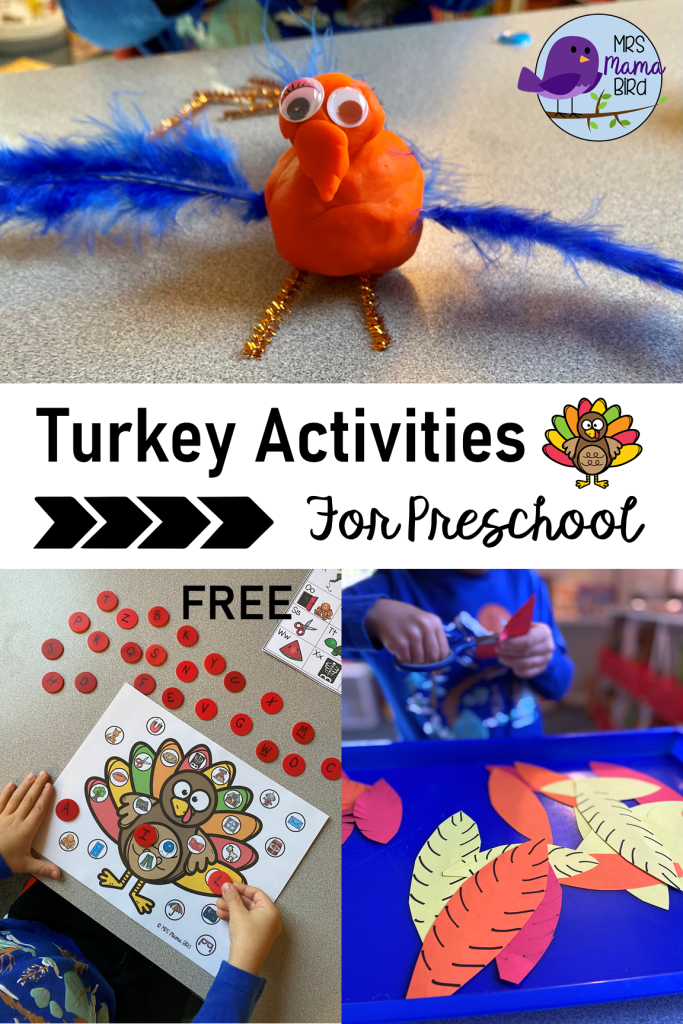
It’s almost Thanksgiving!! Turkey day was a success with Emmett, my preschooler. Read on to see all the fun things we did to explore Thanksgiving and turkeys! You can also grab my Turkey Sound Cover Up activity for FREE!

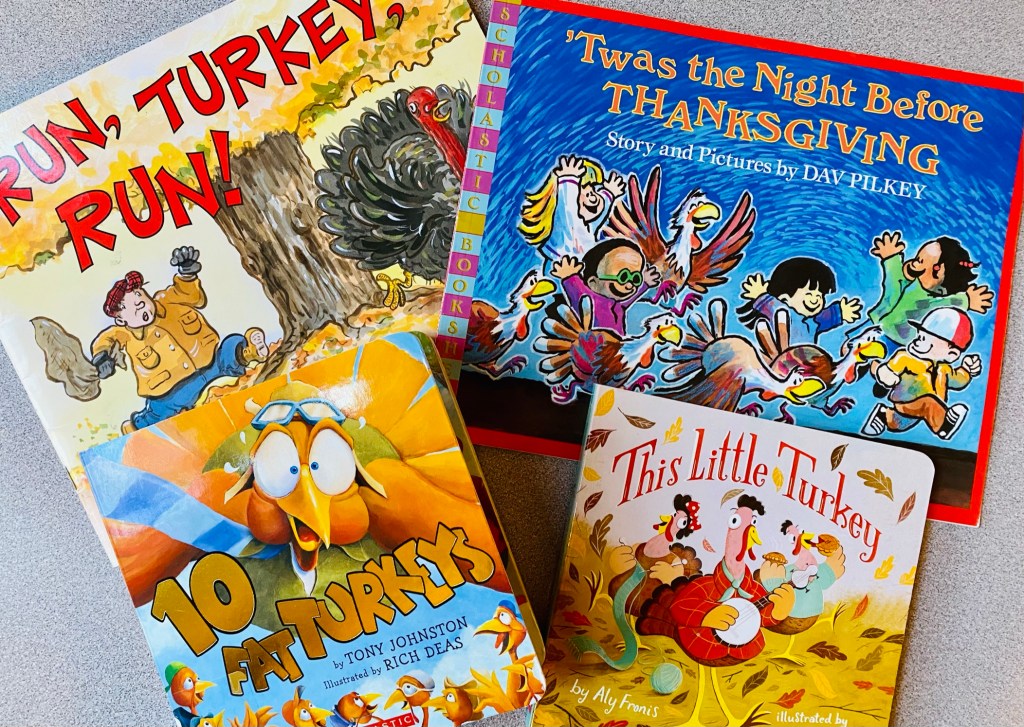
I always start our learning time with a read aloud or two. I have my Thanksgiving books divided into three categories: turkeys, Thanksgiving traditions, and gratitude. Run, Turkey, Run, The Night Before Thanksgiving, 10 Fat Turkeys and This Little Turkey are a few of my turkey picks for this year.

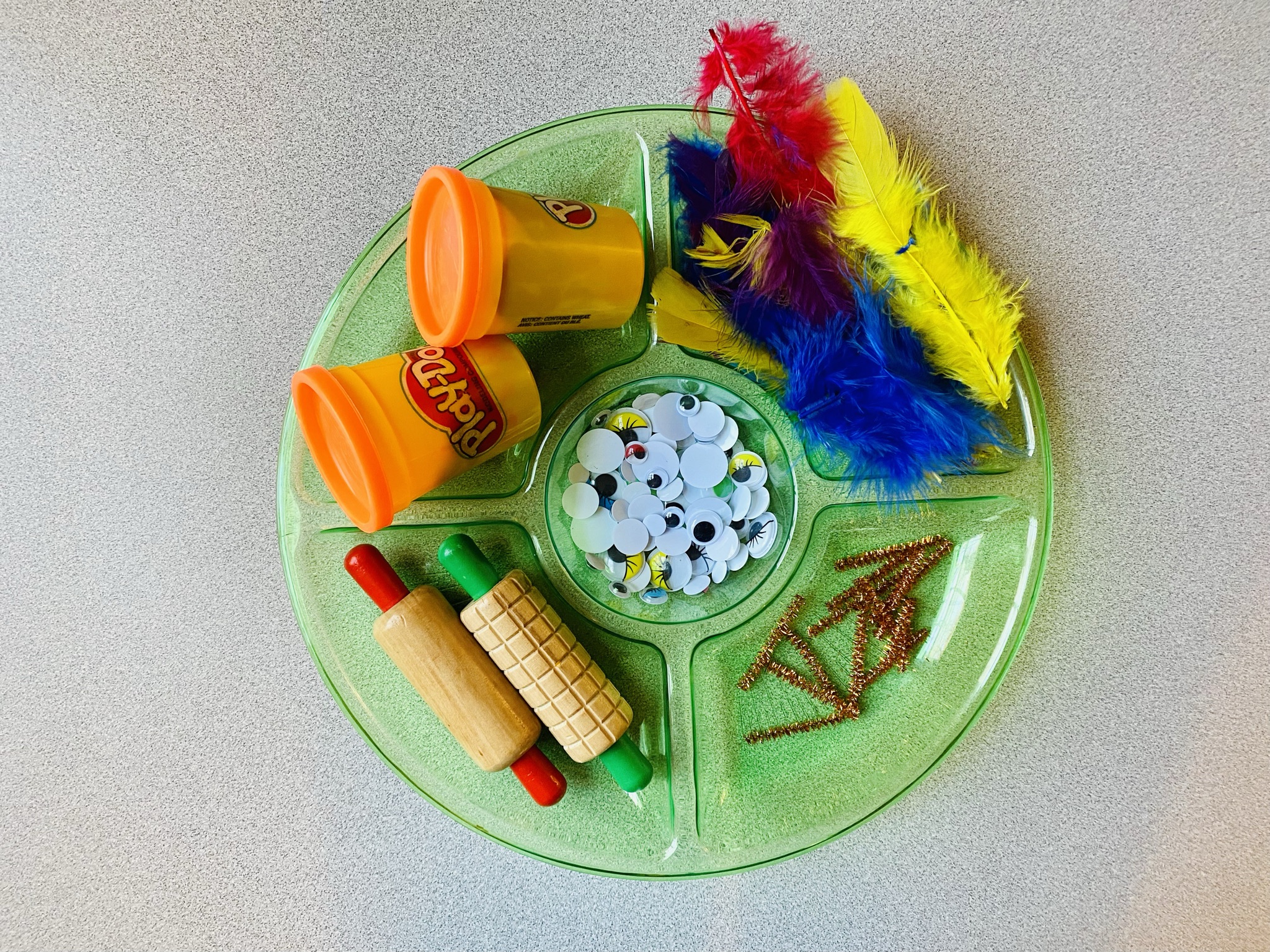
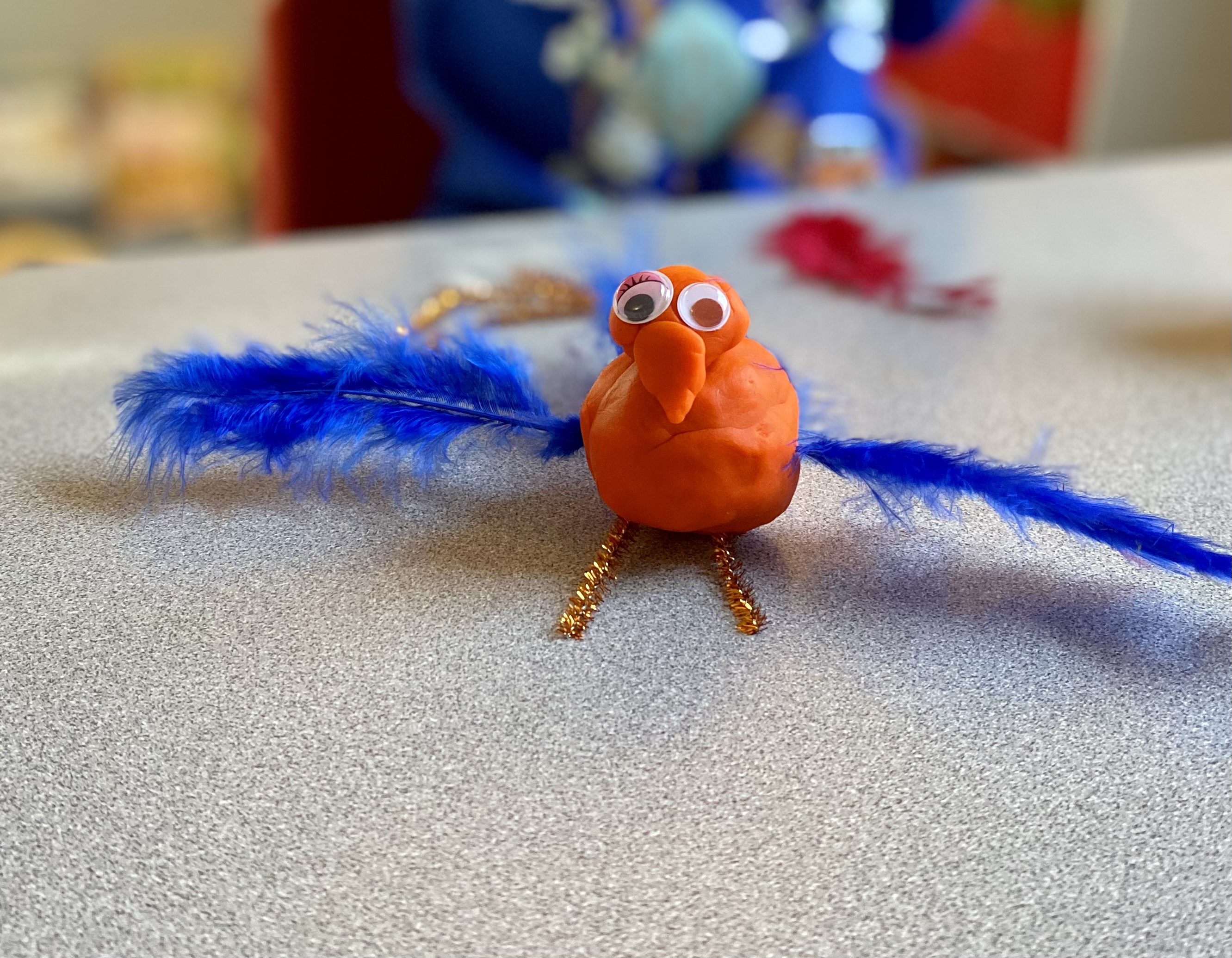
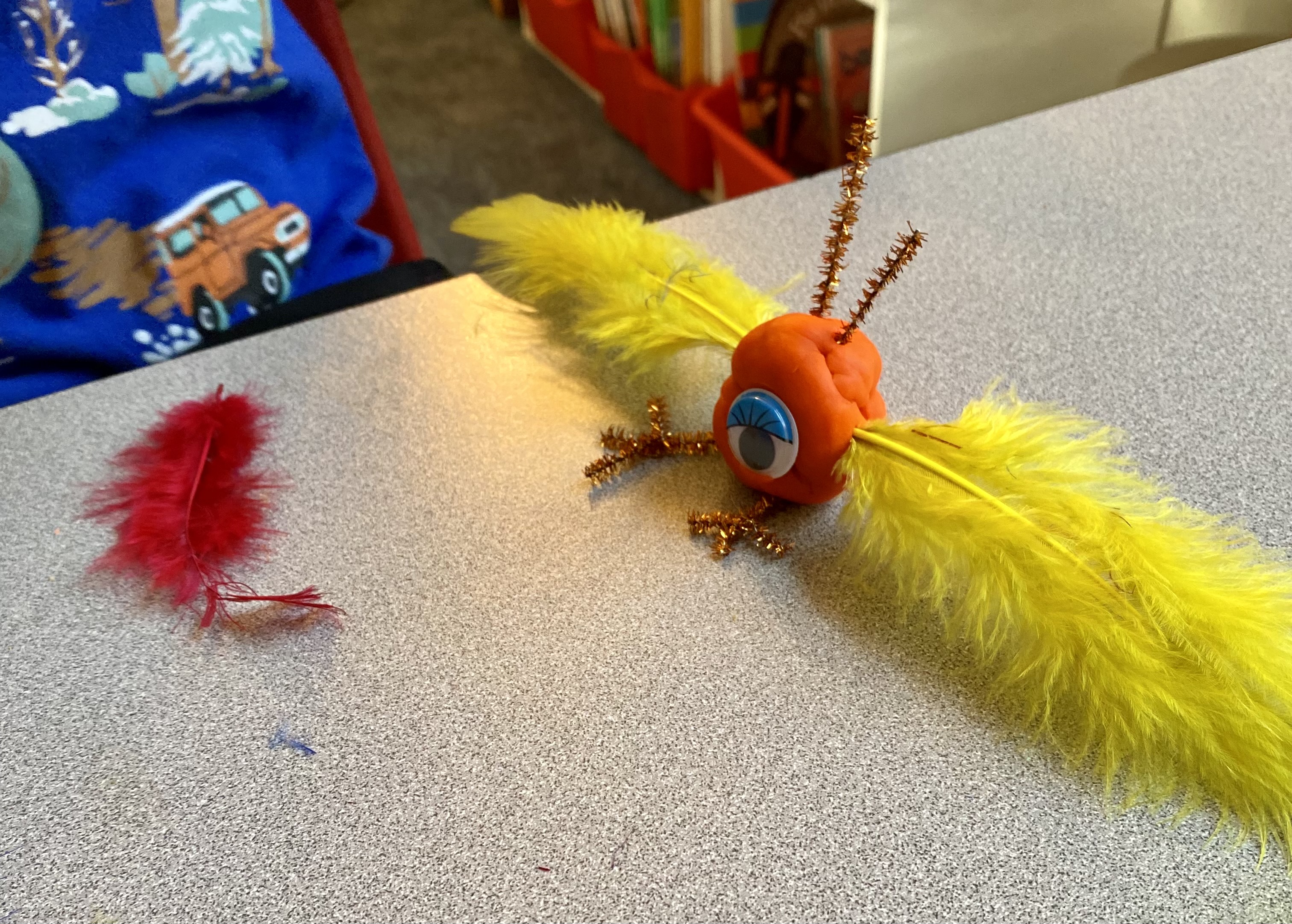
Our first activity was an invitation to create a playdoh turkey using items in our loose parts tray. Our tray included craft feathers, playdoh, rollers, googly eyes, and orange pipe cleaners. My intention was to prepare brown playdoh for the turkey’s body, but sometimes you just run out of time! There’s always next time.

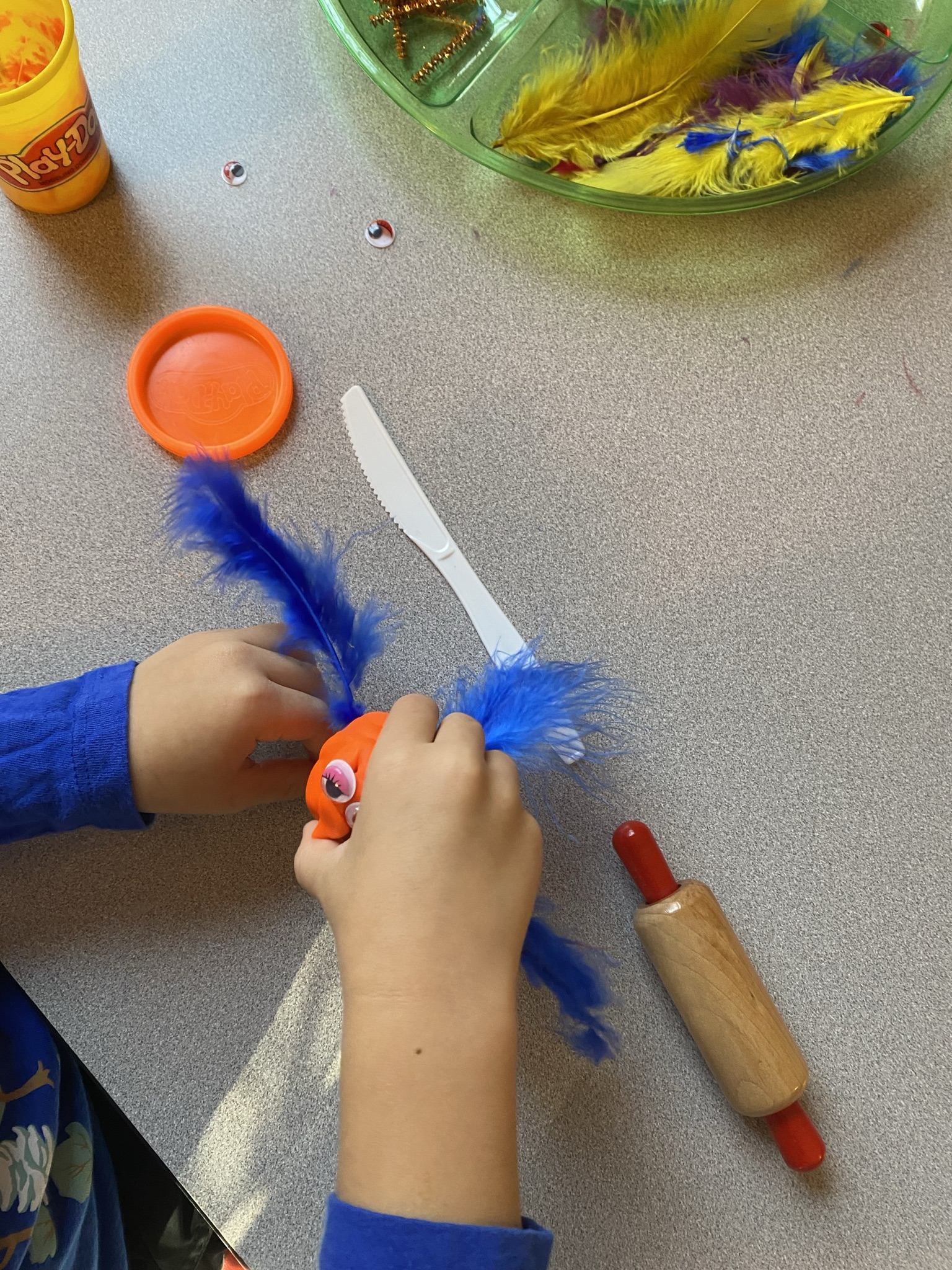
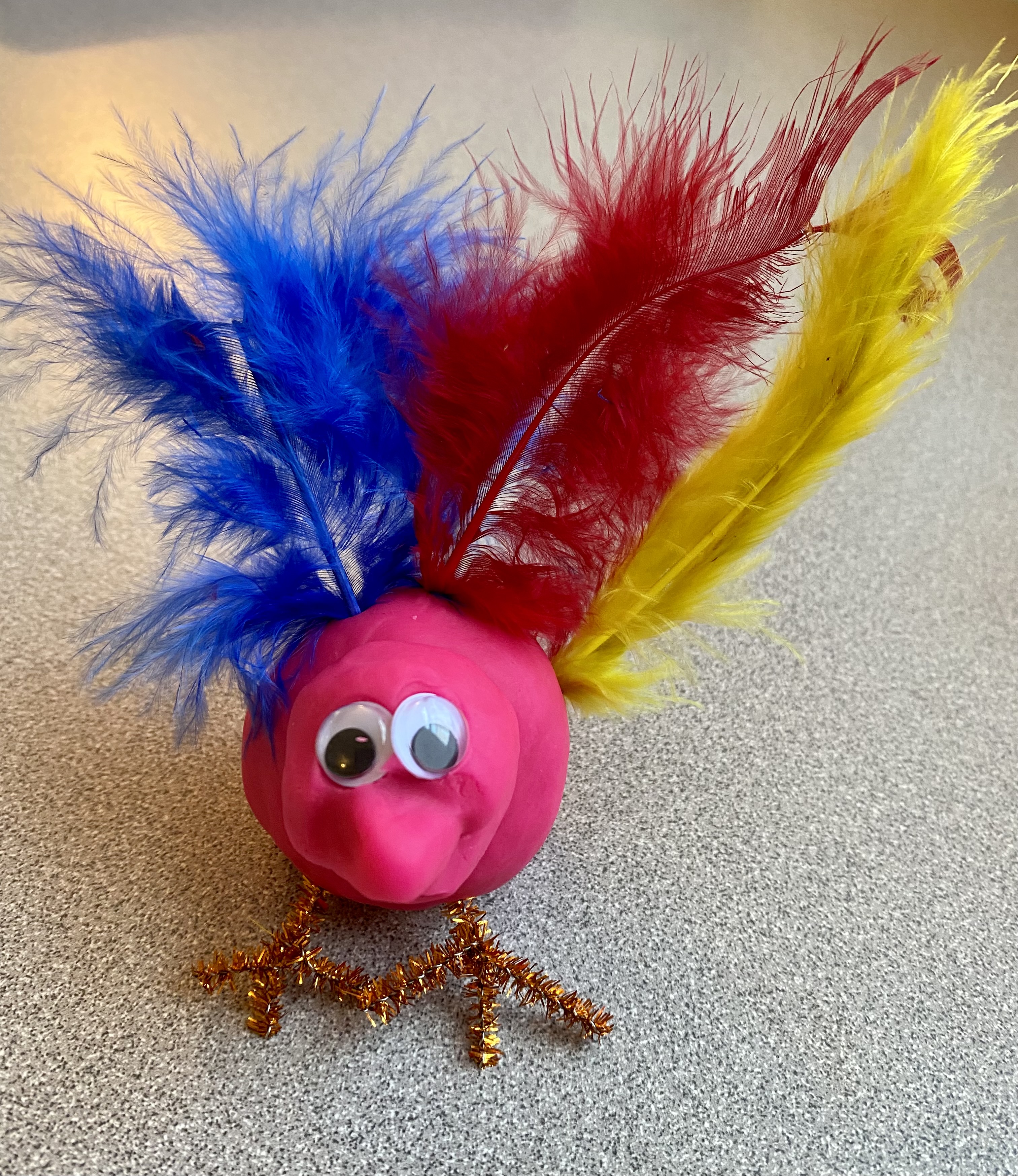
I decided to make a pink turkey with a few tail feathers. Emmett’s turkey was orange with some prominent blue wings. He took this activity a little further and decided to make a “turkey monster” to go with his turkey. He insisted that the turkey monster be featured in my post as well!

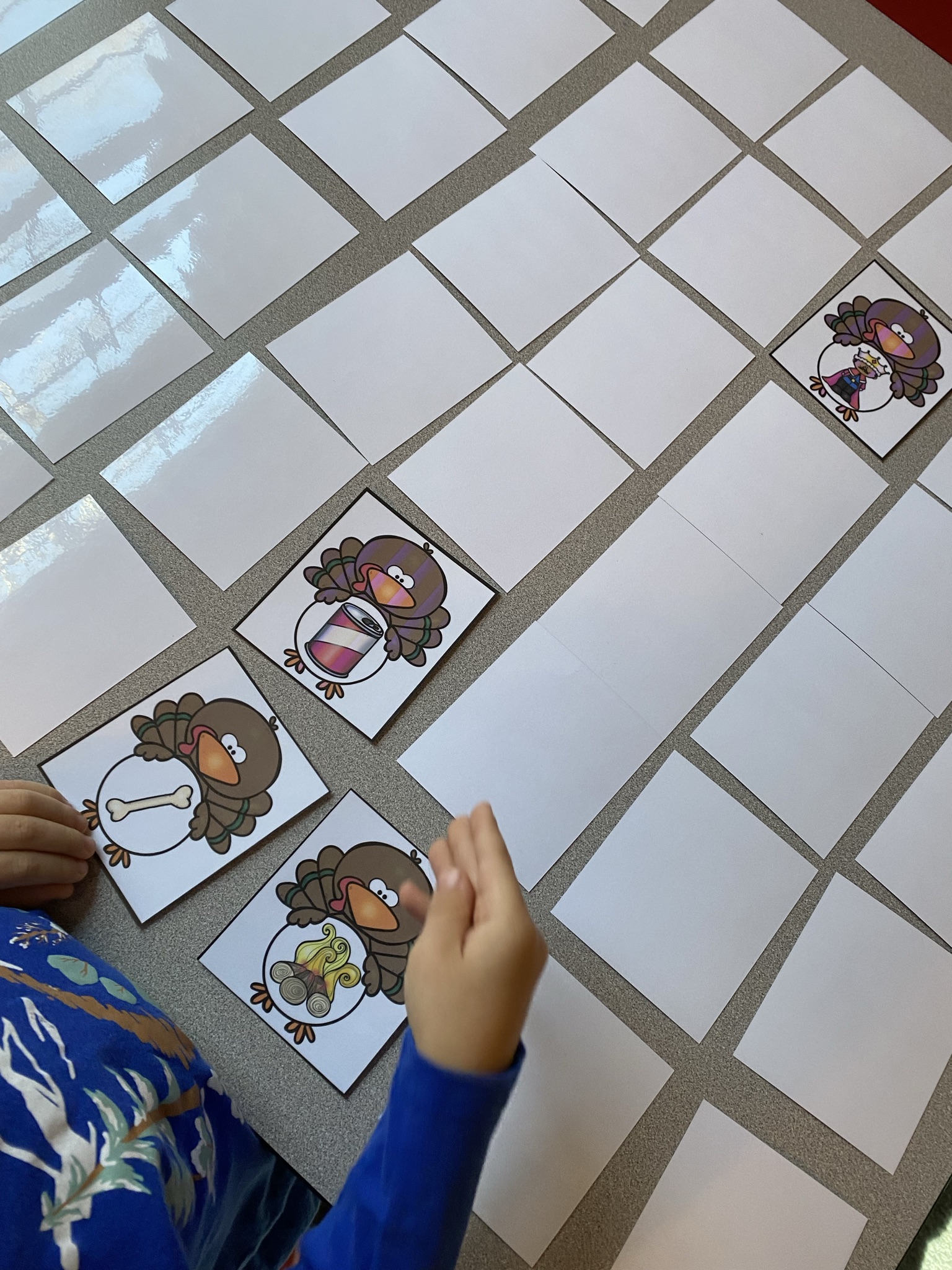
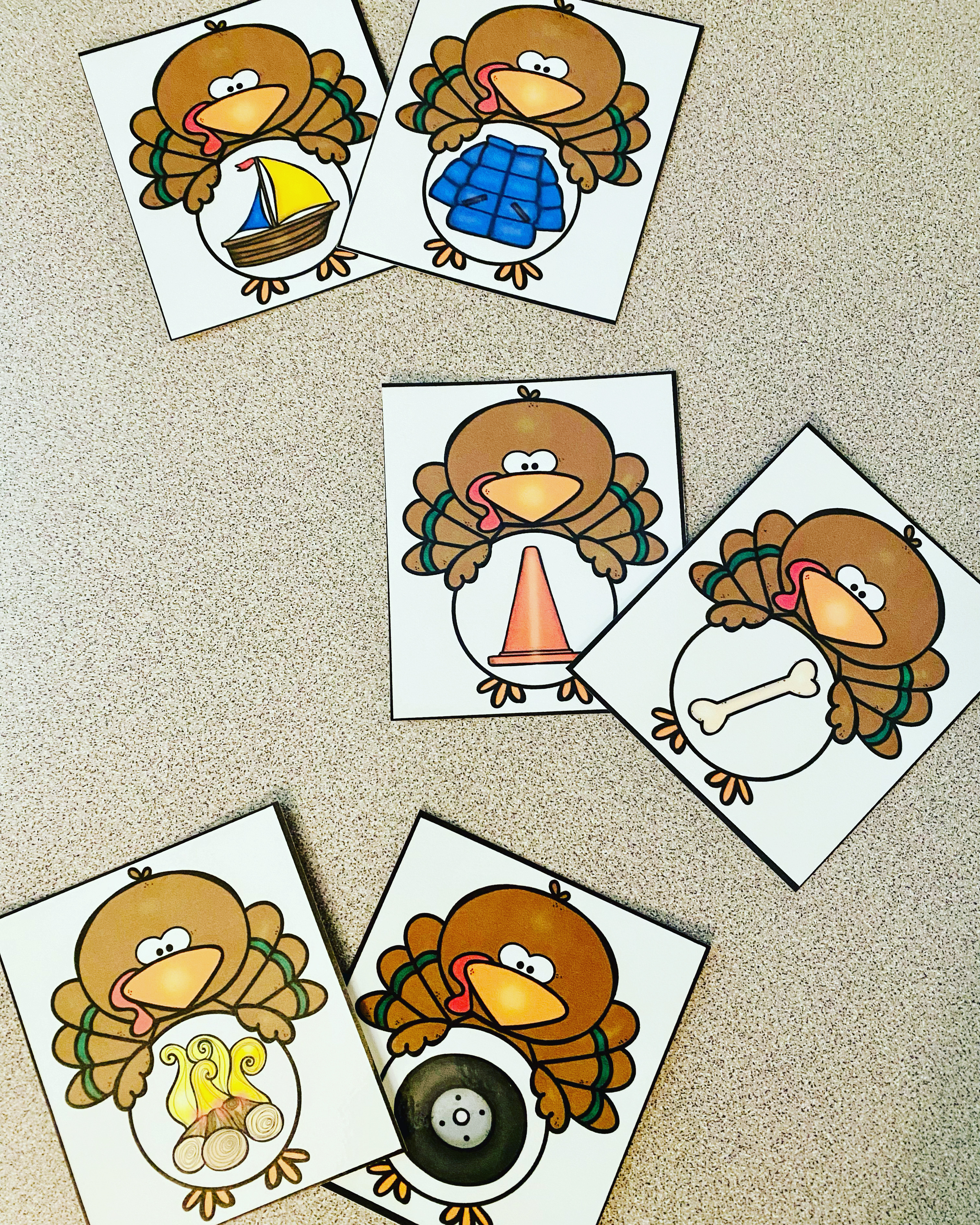
Our next activity came from Playdough To Plato, another fantastic blog. These turkey rhyming cards are FREE and you can find them HERE if you would like to use them as well. Emmett is just getting the hang of rhyming words and he loves matching games so this activity was perfect for him.

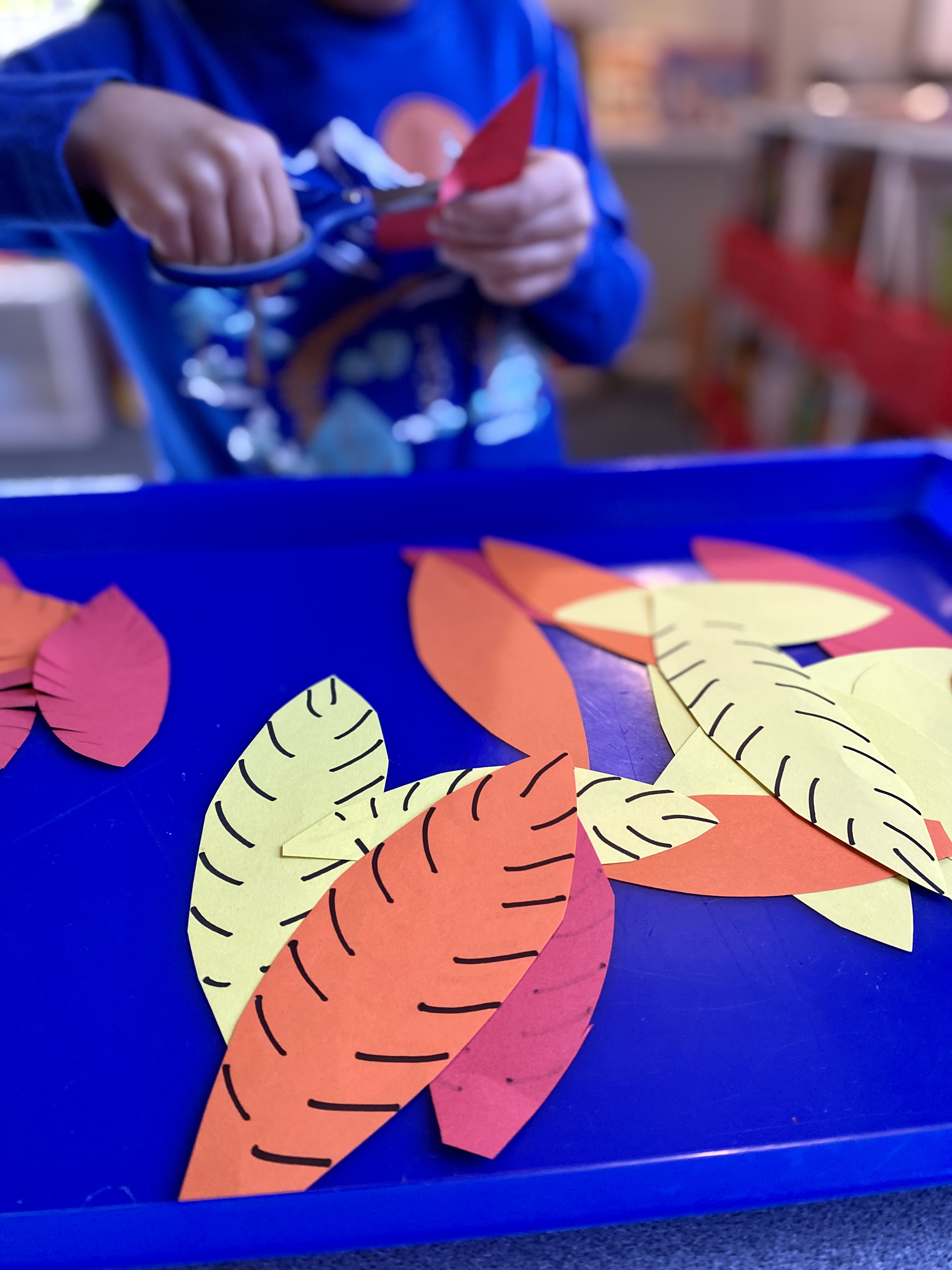
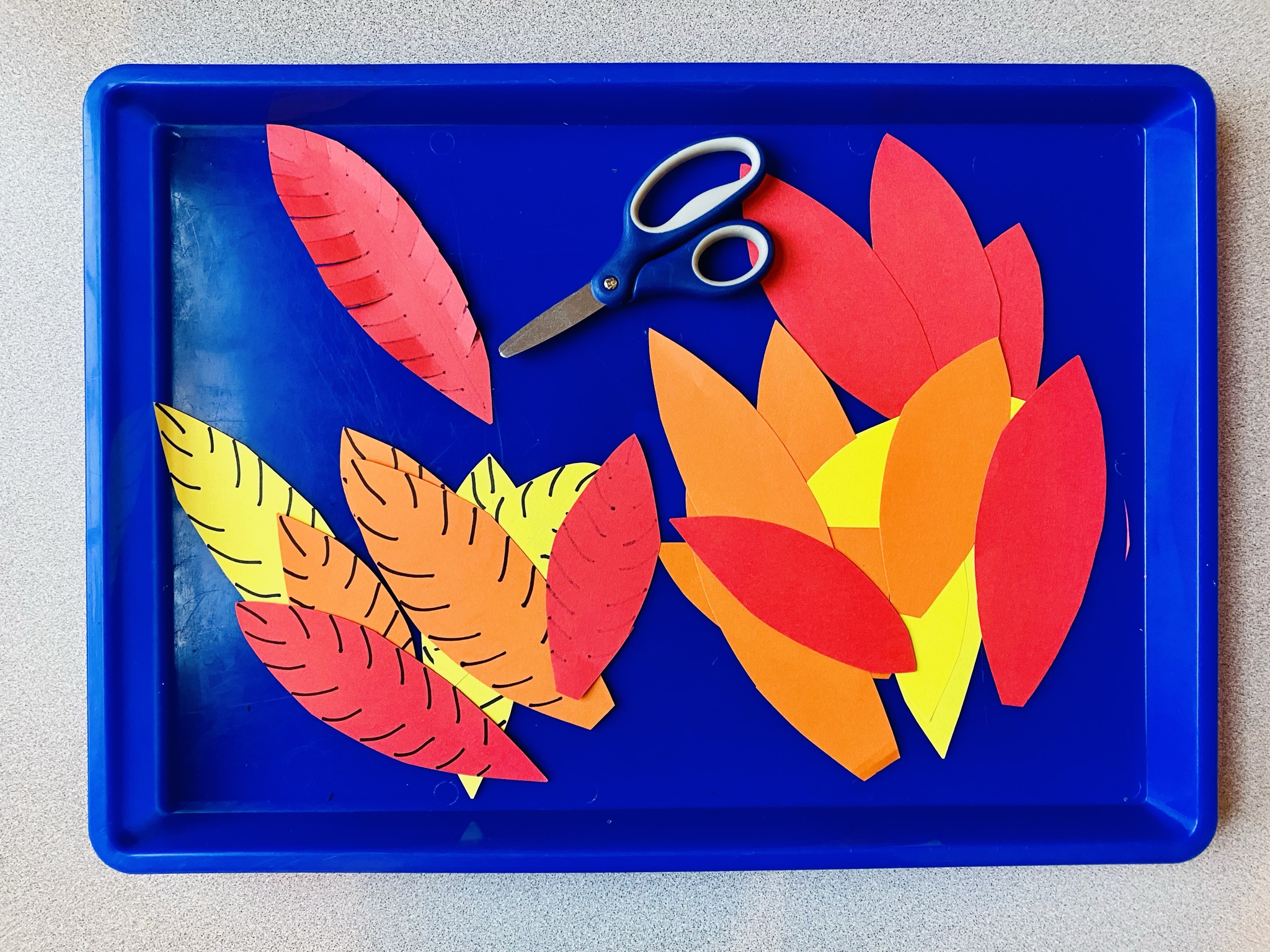
I love when I can work in some fine motor skills practice into our day. I precut these colorful turkey feathers ahead of time. I free handed them, but if you need a template, there are plenty of free ones out there! Check out my Thanksgiving Pinterest Board to find one. I presented some with lines and some without and allowed Emmett to choose how he wanted for “feather” them.

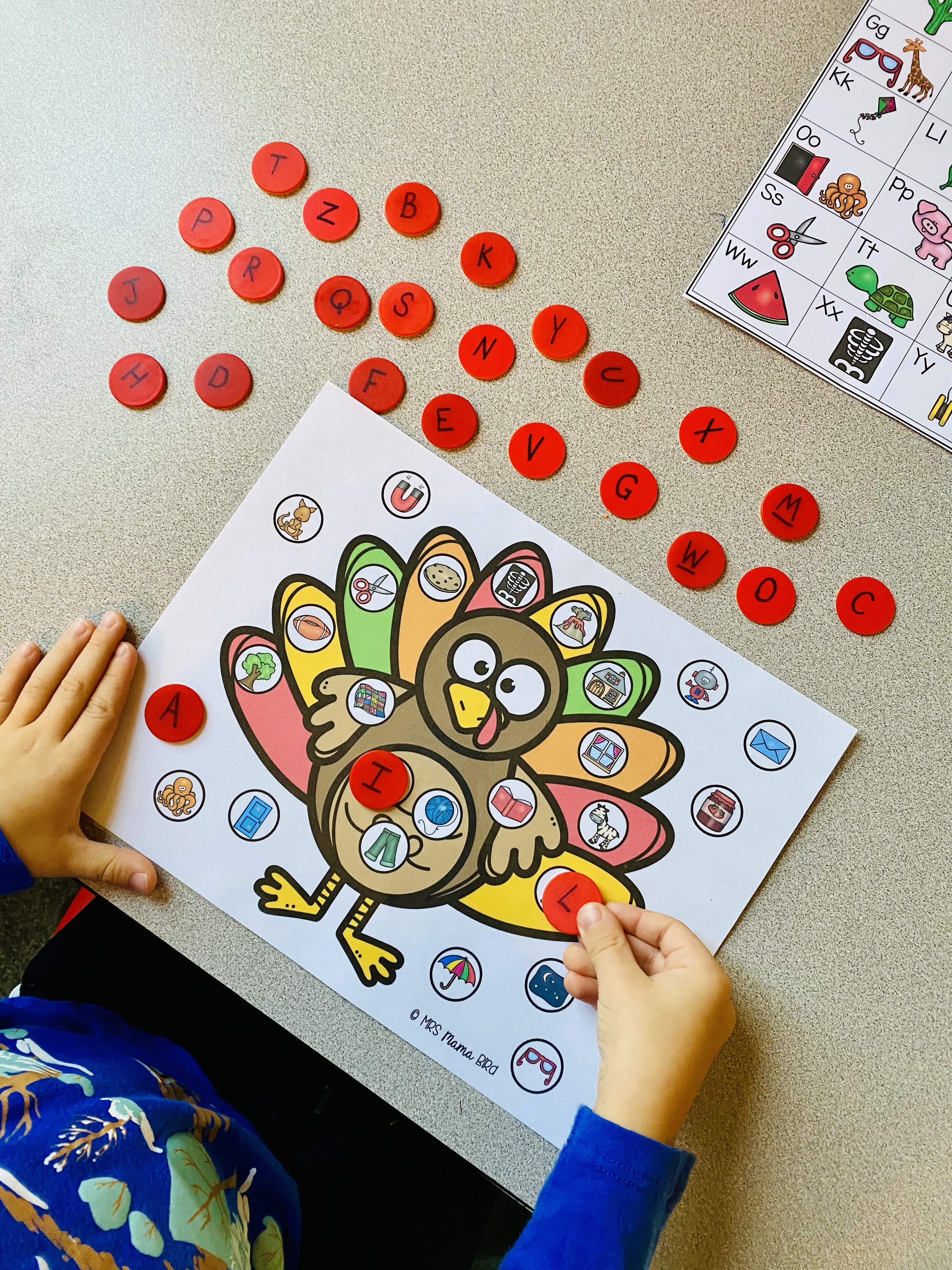
Finally, we practiced beginning sounds with this Turkey Sounds Cover Up activity. Emmett was excited to practice identifying the sounds at the beginning of each picture on the turkey. I wrote letters on simple plastic BINGO chips, but you can use anything you’d like to cover up the pictures, including alphabet erasers, playdoh and alphabet stamps, alphabet tiles, etc.

You can download this Turkey Sounds Cover Up activity for FREE by clicking the button below.

Please don’t be shy! Click the icons at the top of the page to connect with me on Facebook, Pinterest and Instagram. @mrsmamabird #learnwithmrsmamabird

You may also be interested in…

phonemic awareness, Thanksgiving

Turkey Syllable Sorting Activity for Preschool and Kindergarten

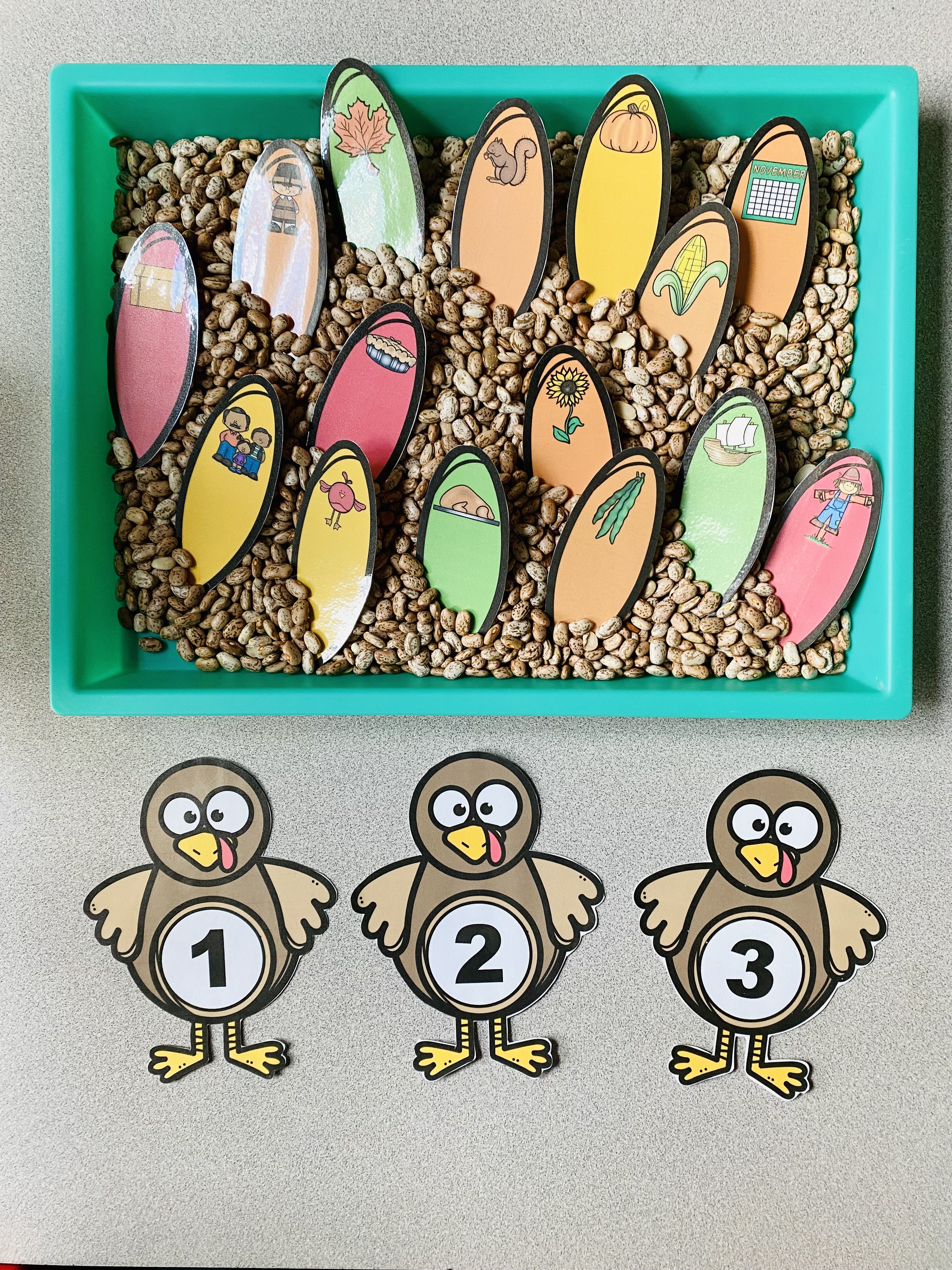
Do you need more preschool and kindergarten phonemic awareness activities for Thanksgiving?? These little turkeys are here to help. This syllable sort can be used as a stand alone activity or you can incorporate it into a sensory bin.

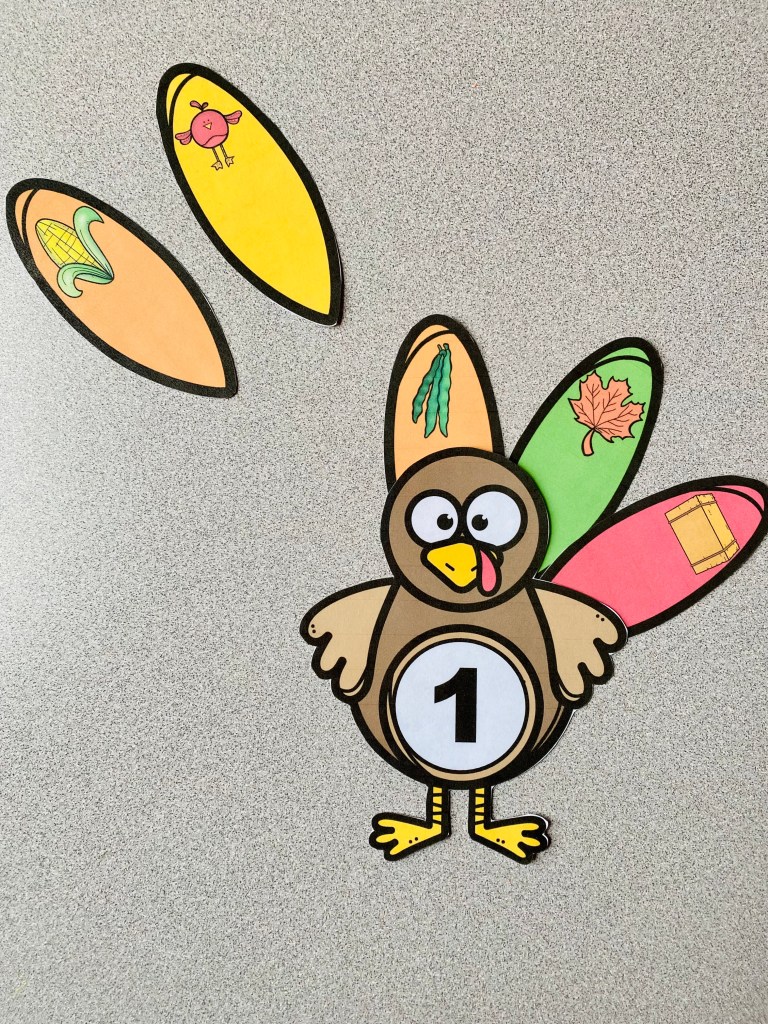
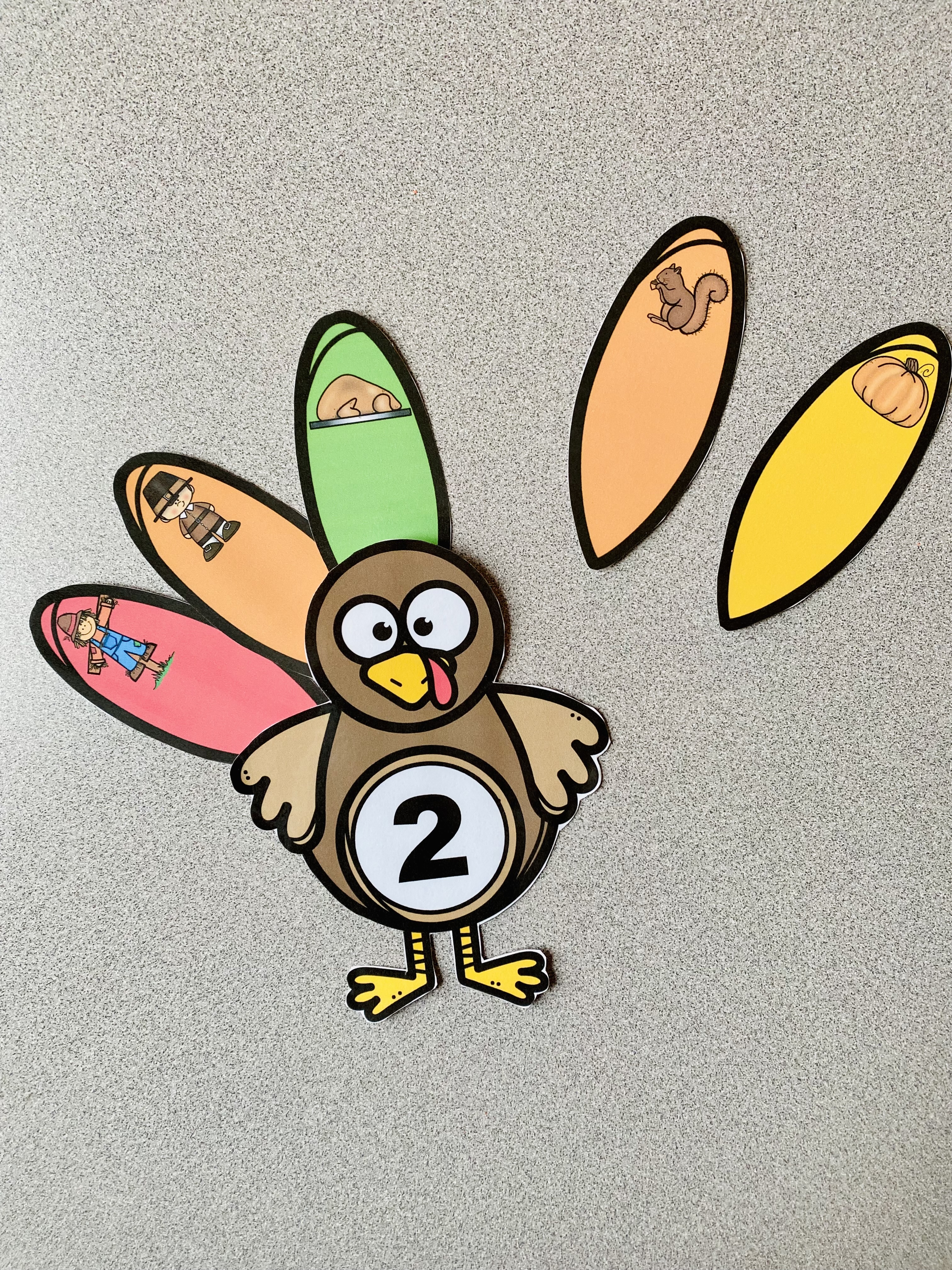
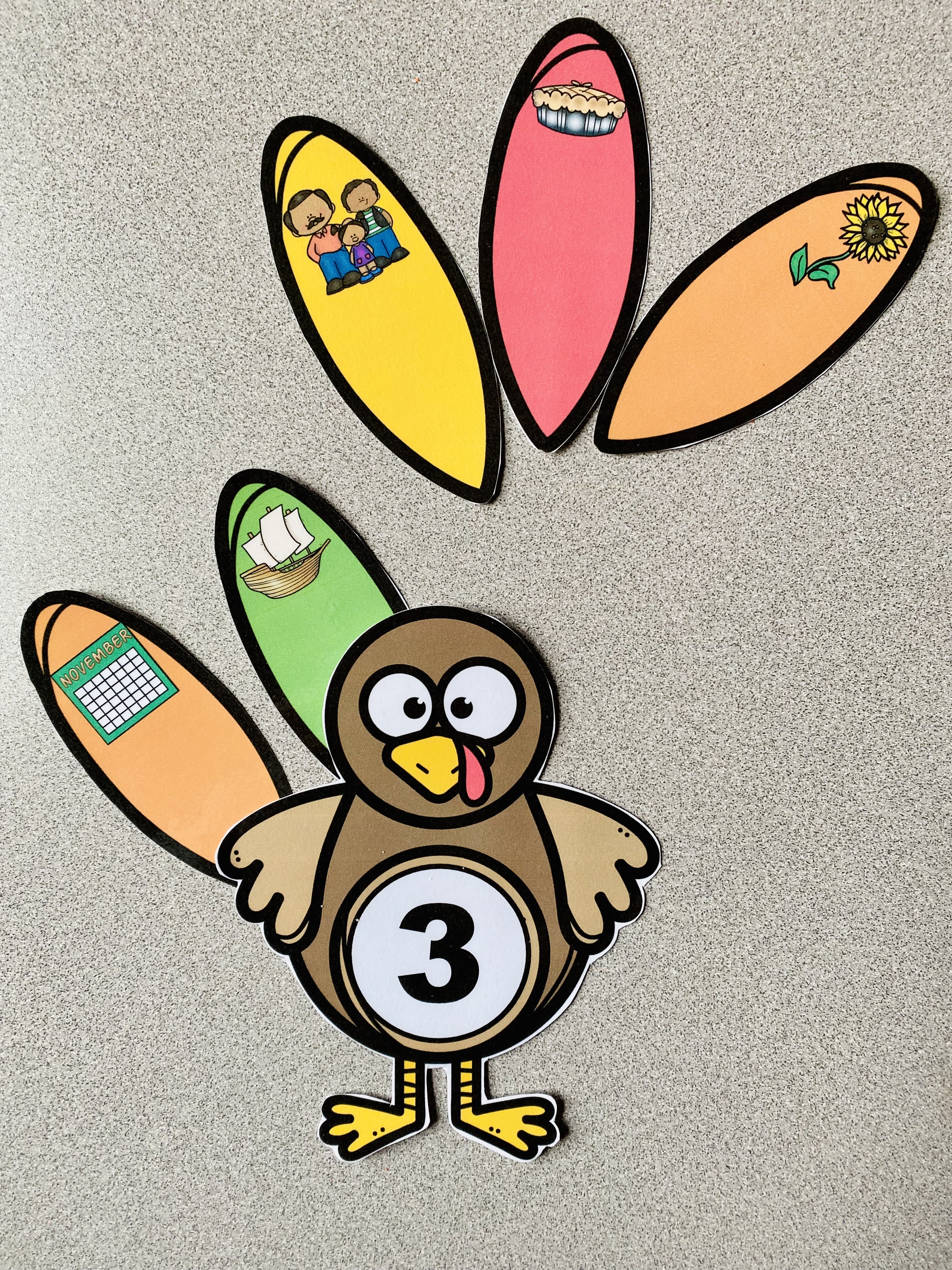
To prepare this activity, all you have to do is print, laminate and cut out the turkeys and their feathers. Each turkey has 5 corresponding feathers representing one, two or three syllable Thanksgiving or fall related words. The one syllable words include corn, bird, beans, leaf, and hay. The two syllable words include pilgrim, turkey, squirrel, pumpkin and scarecrow. And the three syllable words include November, Mayflower, sunflower, family and apple pie.

You can add magnets to the back of the turkeys and feathers so that students can easily manipulate the components on a cookie sheet or magnetic white board without the feathers sliding around.

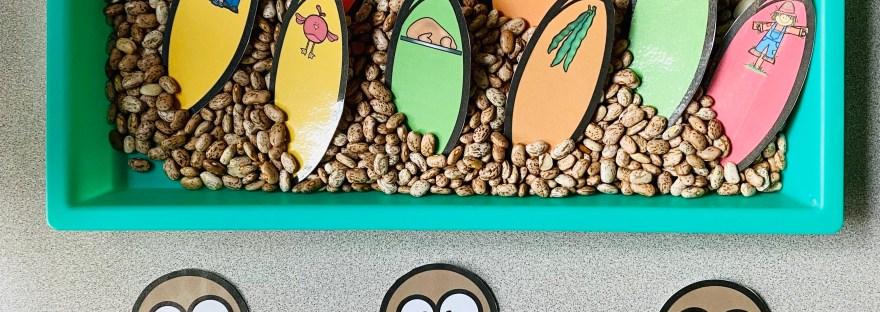
The feathers are a perfect addition to a turkey themed sensory bin. Add beans, crafting feathers, picture card feathers (really anything fall related!) to a deep tray or sensory bin. Students can hunt for the picture card feathers and place them on the corresponding turkey.

That’s it! These turkeys will add some Thanksgiving fun to your literacy centers. If you would like a set of your own, you can find the Turkey Syllable Sorting Activity in my shop by clicking the button below.

Let’s connect!! You can check out my Pinterest boards, Facebook page, and Instagram by clicking the icons at the top of the page. @mrsmamabird #learnwithmrsmamabird

You may also be interested in…